Introduction: The New Age of Competition
In the last two decades, the world has witnessed a quiet revolution—one that didn’t take place in physical stadiums, on grassy fields, or in Olympic arenas, but within the luminous screens of computers and consoles. This revolution is known as esports, short for electronic sports, and it has transformed gaming from a leisure pastime into a global competitive phenomenon. What once began as friendly matches among enthusiasts in dimly lit gaming cafes has now evolved into a billion-dollar industry, captivating millions of spectators and challenging traditional notions of what constitutes a “sport.”
Esports has redefined entertainment, culture, and even education. It represents a fusion of technology, teamwork, and talent, creating a new breed of athlete: the digital competitor. From massive tournaments that fill stadiums to streaming platforms that turn gamers into global celebrities, esports has proven that competition knows no boundaries—and that passion for play can rival any traditional sport in intensity and impact.
The Origins: From Arcades to Global Arenas
The story of esports begins long before Twitch streams and professional leagues. It traces back to the early 1970s, when the world was just beginning to explore digital entertainment. The first known video game competition took place in 1972 at Stanford University, where students competed in the game Spacewar! The prize was a one-year subscription to Rolling Stone magazine—humble beginnings for what would become a multi-million-dollar ecosystem.
By the 1980s, video games had moved into arcades, and competitive gaming began to take a recognizable form. Titles like Pac-Man, Donkey Kong, and Space Invaders became cultural icons, and high-score competitions became local legends. Television networks even aired shows focused on gaming contests, foreshadowing the esports broadcasts of today.
The real transformation began in the late 1990s and early 2000s, with the rise of the internet and the popularity of games like StarCraft, Counter-Strike, and Quake. These games allowed players from around the world to compete in real-time, creating the first global gaming communities. South Korea, in particular, became the birthplace of professional esports, with players treated as celebrities and matches broadcast on dedicated television channels. The seeds of today’s esports empire were planted during this period.
The Growth of an Industry
By the 2010s, esports was no longer a niche subculture—it was a global entertainment powerhouse. Advances in broadband internet, streaming technology, and gaming hardware made online competition accessible to anyone with a decent computer or console. Major game developers began to recognize the potential of organized competitive play, designing titles specifically with esports in mind.
Games such as League of Legends, Dota 2, Counter-Strike: Global Offensive, and Overwatch became household names, not just among players but also among fans who tuned in to watch tournaments. Events like The International and the League of Legends World Championship offered prize pools worth millions of dollars and attracted viewers from every continent.
Esports organizations emerged, operating much like traditional sports teams. They recruited players, signed sponsorship deals, and cultivated fan bases. Major corporations and even traditional sports franchises began investing in esports, recognizing the massive engagement and marketing potential within the community. By the late 2010s, esports had become a professional career path, with players earning salaries, endorsements, and fame rivaling that of traditional athletes.
The Esports Ecosystem: A New Kind of Sports Industry
The esports industry is far more complex than just players and tournaments. It encompasses a vast ecosystem of developers, event organizers, sponsors, streaming platforms, analysts, and content creators.
At the core are the game publishers, who create and maintain the titles that drive competition. Their role is critical—they balance gameplay, fund events, and shape the competitive scene. Then there are the teams and organizations, which operate like clubs in traditional sports. These organizations provide housing, coaching, nutrition, and even mental health support for their players.
Streaming platforms such as Twitch and YouTube Gaming have revolutionized how audiences consume esports. Fans can watch their favorite teams live, chat in real time, and even support players financially through donations and subscriptions. Meanwhile, brands and sponsors play a major role in funding the scene, from gaming hardware companies to energy drink manufacturers and global apparel brands.
Lastly, the esports ecosystem thrives on its community—a passionate global audience that doesn’t just watch but participates. Whether through fan art, online discussions, or local tournaments, esports fans contribute to an ever-evolving culture that blurs the line between spectatorship and participation.
The Games That Built the Scene
Several games have shaped the identity of esports and continue to define its competitive structure.
1. League of Legends (LoL) – Developed by Riot Games, LoL has become one of the most watched esports in the world. Its annual World Championship attracts millions of viewers, and the professional leagues across regions maintain a year-round competitive circuit.
2. Dota 2 – Valve’s Dota 2 is known for its complexity and massive prize pools. The International, Dota 2’s premier tournament, regularly features tens of millions of dollars in rewards, funded largely through community contributions.
3. Counter-Strike: Global Offensive (CS:GO) – This tactical first-person shooter has defined the competitive FPS genre for over a decade. Its emphasis on strategy, reflexes, and teamwork makes it one of the most enduring esports titles.
4. Fortnite – Blending battle royale gameplay with creative building mechanics, Fortnite has brought a younger generation into esports. Epic Games’ large-scale tournaments and open qualification systems have made it one of the most inclusive competitive scenes.
5. Overwatch, Valorant, and Call of Duty – These team-based shooters have created professional leagues, complete with franchised teams, city-based competition, and global tournaments that mirror traditional sports structures.
Each game represents not just a competition, but a unique community and culture. Together, they showcase the diversity and creativity of modern esports.
The Players: Digital Athletes and Modern Celebrities
The image of the gamer has changed dramatically. Gone are the days when competitive players were dismissed as hobbyists or recluses. Today’s esports professionals are disciplined, dedicated, and often under immense pressure to perform. They practice for hours each day, analyzing gameplay, studying opponents, and refining their mechanics.
Like traditional athletes, they work with coaches, strategists, and performance analysts. Many organizations now employ physical trainers and psychologists to help players maintain focus and manage stress. Reaction time, coordination, and mental endurance are all crucial skills in esports.
Some players have become international superstars, with fan followings in the millions. Names like Faker in League of Legends and s1mple in CS:GO are as recognizable in the gaming world as Lionel Messi or LeBron James are in sports. Their influence extends beyond the games themselves—they shape fashion, music, and youth culture.
The rise of streaming has also allowed players to connect directly with fans, building personal brands that go beyond their competitive careers. This interaction between player and audience is unique to esports and one of its greatest strengths.
Esports as a Career: Beyond Playing
While professional players are at the forefront, the esports industry offers countless other career paths. Behind every tournament are commentators, analysts, event organizers, marketing teams, and content creators.
Shoutcasters and analysts bring matches to life, explaining strategies and building excitement much like traditional sports commentators. Coaches and managers guide teams through complex schedules and competitive pressures. Event producers coordinate massive international tournaments, often with live audiences of tens of thousands.
There’s also a growing demand for game designers, broadcast engineers, and community managers who understand the esports ecosystem. Universities around the world are even offering degrees and scholarships in esports management, signaling that this is more than a passing trend—it’s a legitimate professional sector.
Esports and Education
One of the most fascinating developments is the integration of esports into education. Schools and universities have recognized the value of competitive gaming as a tool for engagement and skill development. Students involved in esports programs often demonstrate improved teamwork, communication, problem-solving, and leadership abilities.
Collegiate esports leagues have sprung up worldwide, offering scholarships to talented players and creating a pipeline from amateur to professional competition. Some institutions even build dedicated esports arenas and provide coaching staff, mirroring the infrastructure of traditional sports programs.
Furthermore, esports encourages STEM learning. Understanding hardware, software, and game mechanics naturally leads students toward careers in technology, engineering, and design. It’s an example of how gaming can become a constructive educational force.
The Cultural Impact of Esports
Esports has transcended the boundaries of gaming to influence mainstream culture. Music, fashion, and entertainment have all embraced the esports aesthetic. Major artists perform at gaming tournaments, while streetwear brands collaborate with esports teams.
Esports also fosters global connection. It bridges language barriers, bringing players from different countries together under a shared passion. Online platforms have created communities where fans interact regardless of nationality or background.
Moreover, esports has helped legitimize gaming as a cultural art form. What was once considered “just a hobby” is now recognized as a blend of performance, strategy, and creativity. Documentaries, films, and television shows have explored the lives of esports players, introducing their world to broader audiences.
Challenges Facing Esports
Despite its success, the esports industry is not without challenges. Issues such as player burnout, contract disputes, and the lack of standardized regulation remain significant concerns. The fast-paced nature of the gaming world means that titles can rise and fall quickly, making long-term stability difficult for players and organizations alike.
Additionally, the industry has grappled with concerns about inclusivity, particularly regarding gender representation. While female gamers make up a large portion of the gaming population, they remain underrepresented in professional esports. Efforts are underway to create more opportunities and safer spaces for women in competitive gaming.
There are also questions about sustainability. As prize pools and production costs increase, some worry about the long-term financial health of certain leagues. Balancing growth with responsible management will be key to esports’ continued evolution.
The Role of Technology: Powering the Future of Esports
Technology is the lifeblood of esports. Advances in internet infrastructure, streaming services, and gaming hardware have made global competition possible. Cloud gaming, artificial intelligence, and virtual reality may soon redefine how esports are played and experienced.
Artificial intelligence can assist coaches in analyzing gameplay patterns and strategies. Virtual reality could bring entirely new genres of competitive games, where physical and digital skills merge. Meanwhile, blockchain technology and digital collectibles may offer new ways for fans to support players and teams.
As technology evolves, so too will the landscape of esports—constantly innovating, constantly expanding.
The Global Stage: Tournaments and Spectacle
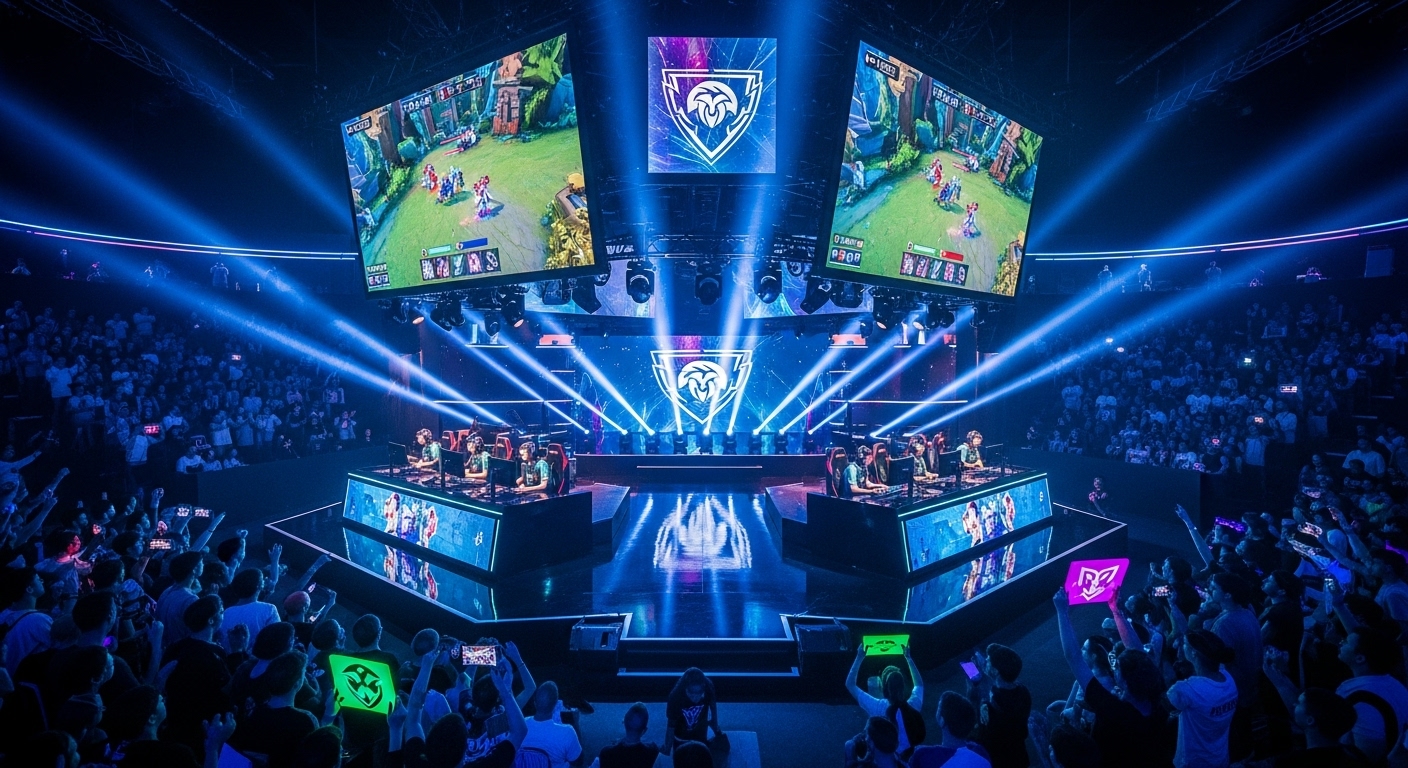
Esports events today rival traditional sports in scale and spectacle. Tournaments like The International, League of Legends Worlds, and the Fortnite World Cup attract viewership comparable to major sporting events. These competitions feature dazzling stage designs, live music performances, and international media coverage.
Cities around the world are building esports arenas—modern coliseums designed for digital combat. Fans travel from across continents to cheer for their favorite teams, waving banners and chanting just as they would at a football match. The passion and emotion are real, even if the battlefield is virtual.
Esports is also making inroads into multi-sport events. The inclusion of esports as a demonstration sport in the 2022 Asian Games marked a historic step toward mainstream recognition. Many predict it is only a matter of time before esports joins the Olympic program.
The Future of Esports: Where the Game Goes Next
Looking ahead, esports shows no sign of slowing down. The next decade will likely see deeper integration with traditional sports, enhanced fan interactivity, and even more diverse game genres entering competitive play.
Mobile esports, in particular, are growing rapidly in regions like Southeast Asia, India, and Latin America, bringing millions of new players into the fold. The accessibility of mobile gaming ensures that competitive play will continue to democratize and expand.
Educational and governmental support is also increasing, with countries investing in esports training centers and infrastructure. As more young people grow up watching esports, its cultural legitimacy will only strengthen.
Ultimately, esports represents the future of competition—a future where anyone, anywhere, can test their skills on a global stage without needing a stadium or a uniform, only passion, discipline, and connection.
Conclusion: Beyond the Game
Esports is more than gaming. It is a testament to how technology and creativity can reshape human competition. It embodies the same values that have driven athletes for centuries—dedication, teamwork, and the pursuit of excellence—while adding the innovation of the digital age.
From humble beginnings in university basements to dazzling world championships watched by millions, esports has proven that digital sports can unite people, inspire communities, and redefine what it means to play. It has become a cornerstone of modern culture, blending entertainment, technology, and human ambition in a way that truly reflects the spirit of the 21st century.
The rise of esports is not just a trend—it is a revolution. And in this revolution, every player, every fan, and every moment of competition is shaping the future of how humanity plays, connects, and dreams.