Introduction: The Birth of a New Era
In the past few decades, a new kind of arena has emerged—one where the roar of crowds is digital, the athletes sit before glowing screens, and the trophies are won through reflexes, precision, and strategy. This is the world of Esports, short for electronic sports. What began as small gaming tournaments in college dorms and internet cafés has evolved into a multibillion-dollar global phenomenon that rivals traditional sports in both viewership and prestige.
Esports has transformed not only how games are played but also how they are perceived. Once dismissed as a niche hobby, it has become a legitimate competitive field with professional teams, global sponsors, celebrity players, and millions of fans who tune in from every corner of the world. The rise of Esports represents more than just entertainment—it reflects a shift in technology, culture, and human connection in the digital age.
From Arcades to Arenas: The Origins of Esports
The earliest roots of competitive gaming can be traced back to the 1970s. The first known video game competition took place in 1972 at Stanford University, where students competed in “Spacewar!” for a one-year subscription to Rolling Stone magazine. Though humble, it planted the seed for something far greater.
By the 1980s, the arcade culture exploded. Players flocked to local arcades to set high scores in classics like Pac-Man, Donkey Kong, and Space Invaders. The idea of being the best was no longer confined to physical sports—it extended to digital mastery.
Then came the 1990s—the era of home consoles and LAN parties. With titles like Street Fighter II and StarCraft, competitive gaming grew more organized. South Korea, in particular, became a hotspot for professional gaming, with televised tournaments and government recognition that laid the foundation for the Esports infrastructure we see today.
The 2000s: Building the Esports Ecosystem
The early 2000s marked the formalization of Esports as an industry. Internet connectivity improved, PCs became more powerful, and online multiplayer games opened new frontiers for competition. Games like Counter-Strike, Warcraft III, and Halo became household names in competitive circles.
This decade saw the rise of professional gaming leagues and organizations, including the World Cyber Games (WCG), Major League Gaming (MLG), and the Electronic Sports World Cup (ESWC). These events offered structured tournaments, sponsors, and media coverage that legitimized Esports as a profession.
Players were no longer just hobbyists; they were athletes who trained for hours daily, studied opponents’ strategies, and earned salaries through sponsorships and prize pools. Slowly but surely, Esports began to resemble traditional sports—with coaches, analysts, and even nutrition plans becoming part of the mix.
The Streaming Revolution: When Esports Went Mainstream
One of the greatest catalysts for the Esports explosion came in the 2010s with the advent of streaming platforms like Twitch and YouTube Gaming. Suddenly, anyone could broadcast or watch matches live from their bedroom.
Fans could follow their favorite players, comment in real time, and feel part of a massive online community. This direct connection between player and audience transformed Esports into a spectator sport on a global scale.
Titles such as League of Legends, Dota 2, Overwatch, and Fortnite became cultural landmarks. Their tournaments drew millions of viewers—sometimes more than traditional sporting events. The League of Legends World Championship filled stadiums across the globe, while The International for Dota 2 offered prize pools exceeding tens of millions of dollars, crowdfunded by players themselves.
Streaming didn’t just democratize viewing—it created careers. Streamers became influencers, analysts became celebrities, and Esports teams gained massive followings similar to football or basketball clubs.
The Esports Economy: A Billion-Dollar Industry
Esports today stands at the intersection of technology, entertainment, and business. The economic scale is staggering. Teams are backed by investors, advertisers, and media conglomerates. Sponsorships from brands like Intel, Red Bull, and Adidas bring in millions.
Prize pools alone can reach extraordinary sums. In 2019, The International 9 offered over 34 million dollars, making it one of the richest tournaments in sports history. But beyond direct competition, Esports has birthed an entire ecosystem—merchandising, event production, data analytics, betting platforms, and gaming peripherals all feed into the machine.
Esports organizations now function like traditional sports franchises. They scout young talent, sign contracts, and manage content creation arms to engage their fanbase year-round. Some teams even operate Esports academies to train the next generation of digital athletes.
Players as Athletes: The Human Element of Esports
Behind every click and combo lies immense skill and discipline. Top Esports players often train for eight to twelve hours a day, refining reflexes, teamwork, and decision-making under pressure. Their reactions must be faster than a blink—often under 300 milliseconds.
Mental endurance is just as crucial. Games like League of Legends or CS:GO demand complex strategy, communication, and split-second adaptability. Teams hire sports psychologists to manage stress and maintain peak cognitive performance.
Critics once argued that sitting behind a screen could never match the physical demands of sports. But the definition of an athlete has evolved. Esports competitors face the same pressures—mental fatigue, career burnout, and injuries like wrist strain or eye stress. What separates them is not muscle power but mental agility and precision.
The Role of Technology: Innovation Driving Competition
Esports wouldn’t exist without technological advancement. High-speed internet, powerful GPUs, and cloud-based servers have enabled seamless competition across continents.
Artificial intelligence now helps teams analyze gameplay data, while virtual reality (VR) and augmented reality (AR) promise to redefine future Esports experiences. Imagine stepping into an arena where virtual and physical worlds merge—players immersed in VR combat while fans watch holographic replays from multiple angles.
The introduction of 5G networks has further reduced latency, allowing mobile Esports to thrive. Games like PUBG Mobile and Mobile Legends: Bang Bang have created massive tournaments in Asia, proving that competitive gaming is no longer confined to PCs or consoles.
Globalization of Esports: From Seoul to São Paulo
Esports transcends borders. From packed stadiums in Seoul to roaring crowds in São Paulo, it unites people under one digital flag.
Asia remains the beating heart of Esports, with South Korea, China, and Japan leading in infrastructure and player talent. Europe and North America follow closely, with thriving competitive scenes in games like Valorant, Rocket League, and Call of Duty.
Meanwhile, developing regions in Africa, South America, and the Middle East are catching up fast. Affordable mobile gaming and increased internet penetration have made Esports accessible to millions who once lacked the means to participate. This inclusivity is perhaps Esports’ greatest achievement—it turns global diversity into shared passion.
Esports and Education: A New Frontier
Schools and universities have begun recognizing Esports as legitimate extracurricular and academic pursuits. In the United States, several colleges now offer Esports scholarships. Courses in game design, management, and broadcasting are being introduced to prepare students for the growing industry.
In Asia, entire Esports academies have emerged to train young players in both competitive and career-oriented skills. These institutions teach not just gaming mechanics, but teamwork, communication, and mental wellness—acknowledging the full human side of competition.
Such initiatives prove that Esports is more than entertainment. It’s a career path, a discipline, and a platform for creativity and innovation.
The Cultural Impact: Esports as a Social Movement
Beyond money and fame, Esports has shaped modern culture. It has bridged generations—connecting teenagers with adults who grew up gaming. It has given rise to fashion trends, slang, and even music collaborations inspired by gaming aesthetics.
Events like the Fortnite World Cup or Overwatch League Finals are as much cultural festivals as they are competitions. Cosplay, fan art, and social media engagement have turned gaming into an expressive art form.
Moreover, Esports communities often rally around causes—raising funds for charity streams, supporting mental health awareness, and fostering inclusivity across gender and background. The once-isolated image of a gamer has evolved into that of a digital citizen of the world.
Challenges Facing Esports
Despite its success, Esports faces significant challenges. Player burnout, match-fixing scandals, and toxic online behavior remain major concerns. The industry’s rapid growth has sometimes outpaced regulations and player protections.
There are ongoing debates about labor rights, fair compensation, and mental health support. Additionally, the lack of a global governing body leads to inconsistencies in tournament standards and competitive integrity.
Esports also grapples with balancing accessibility and professionalism. As games evolve through patches and updates, the competitive landscape shifts rapidly, sometimes rendering entire strategies obsolete overnight. Maintaining stability while embracing innovation is a constant challenge.
Women in Esports: Breaking the Digital Ceiling
For decades, gaming was viewed as a male-dominated space. But women have been steadily breaking through barriers to claim their place in the Esports spotlight.
Female players, commentators, and content creators are reshaping the industry’s identity. Organizations such as Women in Games and all-female teams like CLG Red have created opportunities for representation and mentorship.
While issues of harassment and bias persist, progress is undeniable. The rise of inclusive tournaments and mixed-gender leagues signals a shift toward equality. The next generation of players may grow up in an Esports world where skill, not stereotype, defines success.
The Future of Esports: Where Do We Go Next?
As technology continues to evolve, the line between digital and physical sports will blur further. The metaverse concept—shared virtual worlds where people compete, socialize, and create—may become the ultimate Esports platform.
Imagine global tournaments hosted in virtual arenas, where fans attend as avatars, and gameplay integrates blockchain-based ownership of digital items and NFTs. Artificial intelligence could analyze player patterns in real time, offering insights to both viewers and teams.
Mainstream media integration is already underway. Major broadcasters like ESPN and BBC have aired Esports events, while traditional sports teams have launched their own digital divisions. The future might see Esports included in major sporting events like the Olympics, as already discussed by several committees.
Esports will not replace traditional sports—it will coexist, offering a parallel universe of competition that reflects our digital evolution.
Psychological and Social Benefits of Esports
Contrary to stereotypes, gaming can build valuable life skills. Team-based Esports foster communication, collaboration, and leadership. Competitive play teaches discipline, resilience, and adaptability.
Esports communities also provide belonging. For many, especially young people, these spaces become platforms for friendship, creativity, and self-expression. They can be a lifeline against isolation, offering meaningful social interaction in an increasingly digital world.
Furthermore, cognitive benefits such as improved hand-eye coordination, problem-solving, and multitasking have been widely documented among gamers. When balanced with proper health and time management, Esports can be as enriching as any sport or hobby.
Government and Industry Recognition
Governments across the globe have begun acknowledging Esports as an official industry. South Korea recognizes professional players with athlete visas, while countries like China, Malaysia, and the Philippines have national Esports federations.
This recognition brings structure, funding, and legitimacy. It also creates pathways for Esports to contribute to economies through tourism, infrastructure, and digital exports. Stadiums built exclusively for Esports, such as the Esports Arena in Las Vegas, highlight the growing institutional investment in the field.
The Spectator Experience: The Heartbeat of Esports
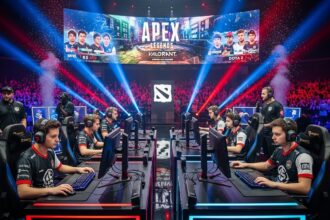
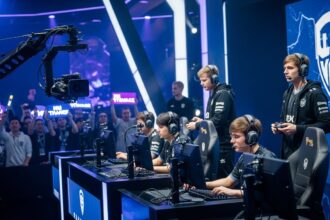
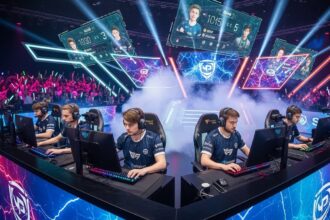
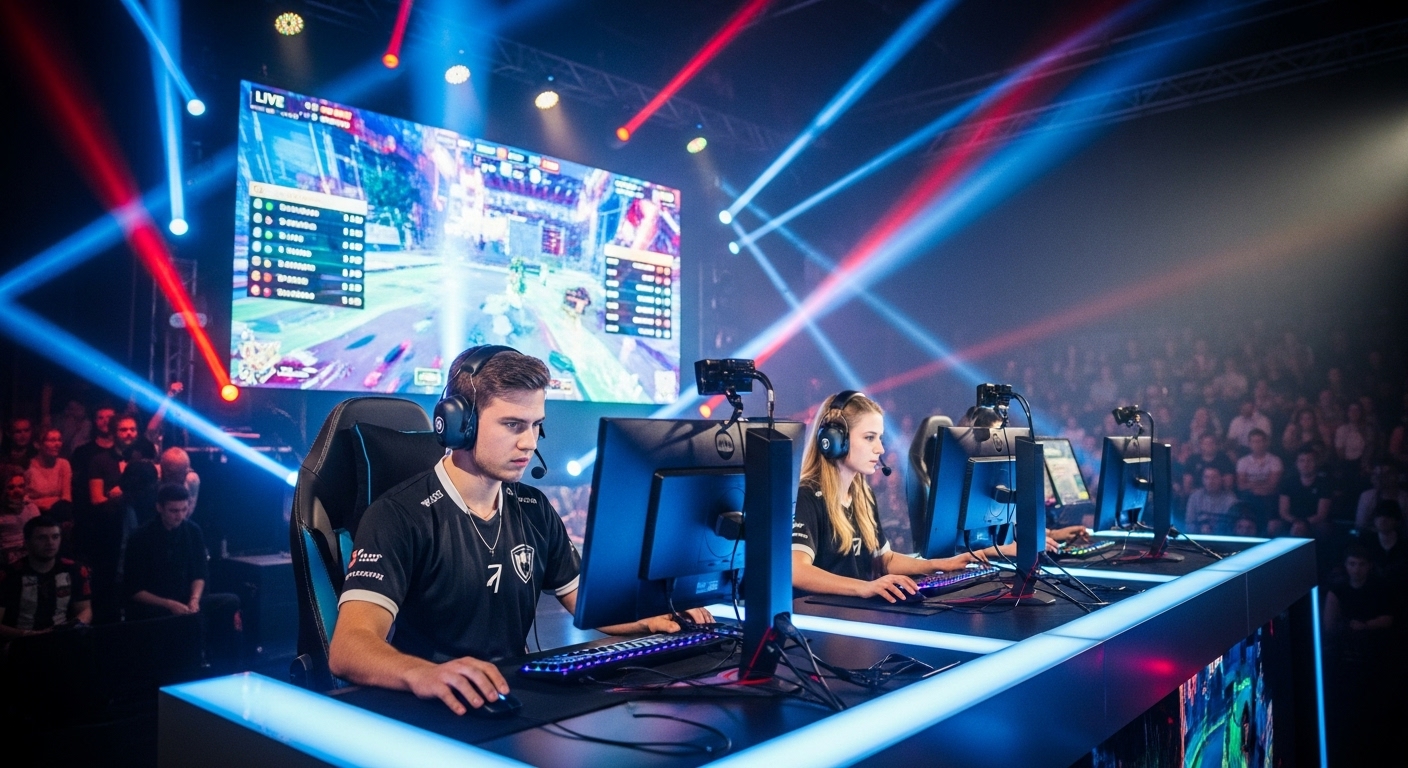
The energy of an Esports crowd is unlike anything else. Thousands of fans pack arenas, waving LED sticks, chanting team names, and celebrating every game-changing play. The synergy between player and audience creates a visceral thrill—one that transcends pixels and screens.
Production values rival Hollywood. Light shows, live commentary, instant replays, and cinematic camera angles turn every match into an epic spectacle. Online viewers engage in chatrooms, meme sharing, and post-game discussions that extend the experience beyond the stage.
This community-driven spirit is what makes Esports sustainable. It’s not just about the players—it’s about the collective heartbeat of millions united by shared excitement.
Conclusion: The Game That Never Ends
Esports is more than a trend—it’s a cultural revolution. It represents the evolution of competition, technology, and human ambition in the digital age. What started as friendly duels on primitive machines has become a global industry that inspires millions and reshapes how we define sportsmanship.
The future of Esports is limitless. With each new innovation, it expands beyond boundaries—merging entertainment, education, and technology into a single shared experience. The players are the new athletes, the arenas are global, and the audience never sleeps.
In the end, Esports is not just about winning—it’s about connection. It’s proof that in a world driven by change, play remains one of humanity’s most powerful instincts. Whether you’re a gamer, a spectator, or just curious, one thing is certain: the digital arena is here to stay, and the next great match is always just beginning.