Introduction: The Emergence of Esports
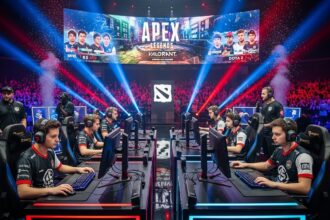
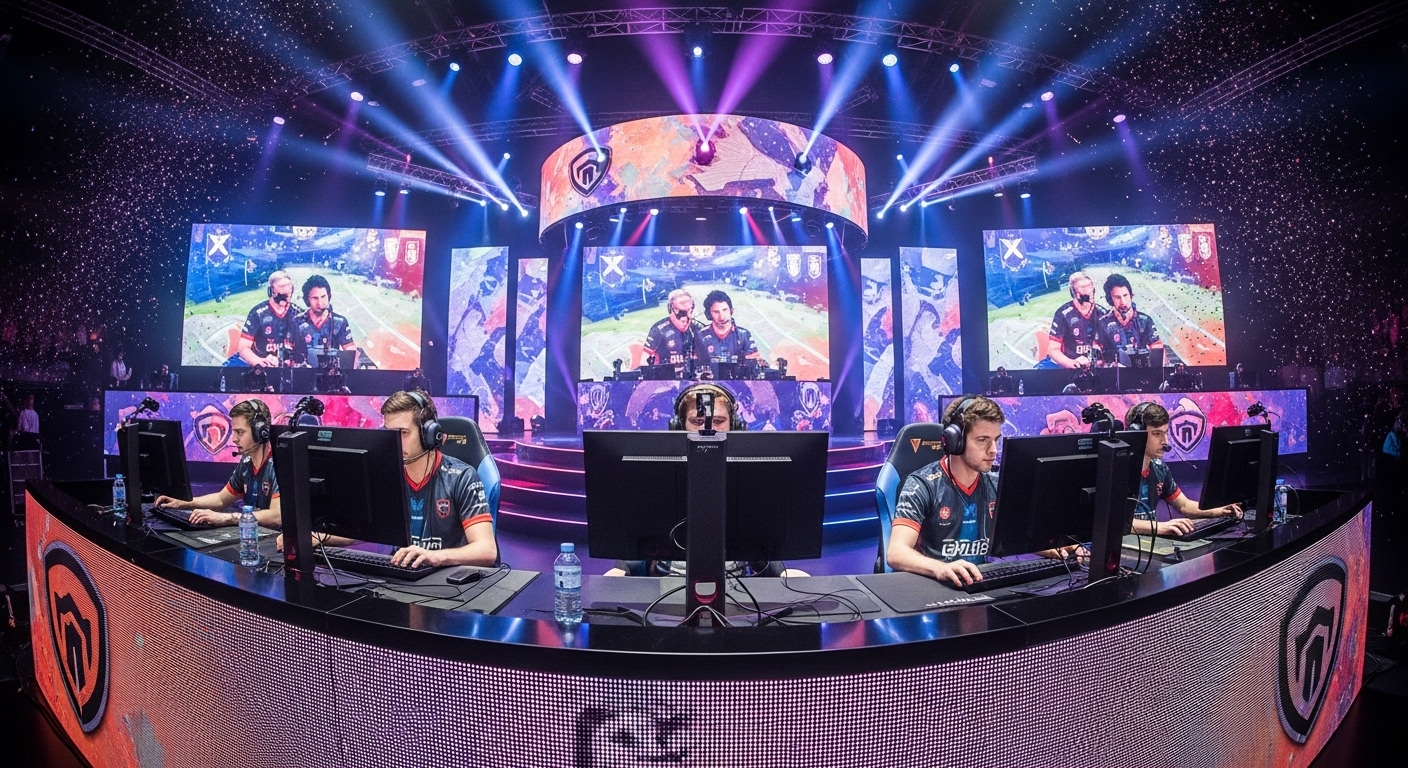
In the past decade, esports has transitioned from a niche pastime into a global cultural and economic phenomenon. Competitive gaming is no longer confined to small local tournaments or casual online matches. Today, esports boasts professional leagues, international competitions, and audiences that rival traditional sports. The rise of esports demonstrates the powerful intersection of technology, entertainment, and community engagement. Players, fans, and organizations are all contributing to an industry that is reshaping how people perceive sports, competition, and digital culture. This blog delves into the history, growth, impact, and future of esports, highlighting why it has become an essential part of modern entertainment.
The Early Days of Competitive Gaming
Esports did not emerge overnight; its roots trace back to the 1970s and 1980s when arcade culture flourished. Players competed for high scores in games such as Space Invaders, Pac-Man, and Donkey Kong. These competitions, often small and informal, laid the groundwork for a competitive gaming culture. The 1990s introduced multiplayer PC games like StarCraft and Quake, which allowed players to compete across networks and create organized tournaments. These early efforts demonstrated that video games could offer competitive skill-based challenges that attracted audiences beyond the participants themselves, setting the stage for professional esports.
The Professionalization of Esports
Modern esports is highly professionalized, with teams and players operating similarly to traditional sports franchises. Professional players dedicate eight to twelve hours a day to practice, strategy development, and team coordination. Coaching staff, analysts, and psychologists support players to ensure peak performance and well-being. Successful players earn income through tournament winnings, sponsorship deals, content creation, and merchandise. This professional structure has transformed esports from a hobby into a viable career path, inspiring young gamers worldwide to pursue competitive play at the highest levels.
Popular Esports Games and Genres
Esports encompasses a wide range of games, each with its unique competitive mechanics. First-person shooters like Counter-Strike: Global Offensive and Call of Duty emphasize reflexes, precision, and team coordination. Multiplayer online battle arena games such as League of Legends and Dota 2 focus on strategic thinking, resource management, and collaboration. Real-time strategy games like StarCraft demand quick decision-making and tactical expertise. Sports simulations, fighting games, and racing titles also have thriving competitive scenes. The diversity of esports games ensures that the industry appeals to a broad spectrum of players and fans, catering to different skills and interests.
The Global Growth of Esports
Esports is a worldwide phenomenon with a global audience spanning continents. Countries like South Korea have pioneered competitive gaming culture, with professional leagues and dedicated infrastructure for esports. China has followed with massive tournaments and government support for the industry. Western countries, including the United States and Europe, have also invested heavily in professional leagues, tournaments, and media coverage. International competitions, such as the League of Legends World Championship and The International for Dota 2, attract millions of viewers, demonstrating the global appeal and influence of esports.
The Role of Streaming Platforms
Streaming platforms have revolutionized how audiences experience esports. Live broadcasting allows fans to watch competitions, interact with players, and engage with communities in real-time. Interactive features such as live chats, fan polls, and viewer-driven content enhance the spectator experience. Streaming has also created opportunities for content creators who combine gameplay, commentary, and entertainment, expanding esports culture beyond traditional tournaments. The accessibility of streaming platforms has democratized esports viewership, allowing anyone with an internet connection to follow global competitions and connect with players.
Sponsorships and the Business of Esports
Esports has grown into a multi-billion-dollar industry, attracting investments from major brands and companies. Sponsorship deals, advertising, merchandise sales, and tournament revenue contribute to the financial ecosystem of esports. Companies partner with professional teams, leagues, and tournaments to reach highly engaged, tech-savvy audiences. These partnerships provide players and organizations with resources to invest in training, technology, and event production. The business model of esports is diverse, encompassing tournament winnings, brand collaborations, merchandising, and media rights, demonstrating its economic viability and long-term potential.
Training, Discipline, and Skill Development
Competitive esports requires more than fast reflexes; it demands strategic thinking, communication, teamwork, and mental resilience. Professional players undergo structured training regimens that include mechanical practice, tactical analysis, and team coordination exercises. Physical fitness, mental conditioning, and nutrition are also emphasized to maintain peak performance. Many organizations employ coaches, analysts, and psychologists to optimize player performance and well-being. This level of discipline mirrors traditional sports, highlighting the rigor and dedication required to succeed in esports.
Social Impact and Community Building
Esports has a profound social impact, fostering communities where players and fans connect and collaborate. Online multiplayer games encourage teamwork, leadership, and communication skills, while live tournaments bring fans together in shared experiences. Esports communities extend beyond competition, encompassing forums, social media groups, and fan-driven content. This sense of belonging and social interaction has made esports a cultural phenomenon that goes beyond gaming, creating a global network of enthusiasts who share common interests and experiences.
Mental and Physical Challenges in Esports
Despite its growth, esports presents unique challenges. Professional players face high-pressure environments, long practice hours, and mental stress, which can lead to burnout. Physical concerns such as repetitive strain injuries, eye strain, and sedentary lifestyle effects are common among competitive gamers. Organizations are increasingly addressing these challenges through wellness programs, structured practice schedules, and mental health support. Recognizing these issues is essential to sustaining esports as a healthy, long-term career option for players.
Educational Opportunities in Esports
Esports has become a part of educational programs worldwide, offering scholarships, competitive teams, and courses in game design, strategy, and esports management. Students participating in esports learn valuable skills, including teamwork, communication, time management, and strategic planning. Some institutions also focus on related fields such as broadcasting, content creation, and event management. By combining competitive gaming with education, esports provides students with professional skills, career opportunities, and personal growth experiences that extend beyond the virtual arena.
Technological Advancements in Esports
The rise of esports has driven technological innovation in gaming hardware, software, and broadcasting. High-performance computers, specialized controllers, fast internet infrastructure, and advanced streaming technology have become essential for competitive play. Tournaments now feature professional-grade production with multiple camera angles, commentary overlays, and interactive features. Innovations in cloud gaming, artificial intelligence, and virtual reality are expanding competitive formats, making esports more immersive, accessible, and engaging for both players and audiences.
Future Trends in Esports
Esports is poised for continued growth, driven by technological advancements and expanding global interest. Virtual reality and augmented reality may introduce new forms of competition, while artificial intelligence could enhance training and strategic analysis. Esports is expected to integrate further with mainstream entertainment, traditional sports, and educational programs. Global tournaments will continue to grow in size, prize pools, and audience reach, solidifying esports as a central aspect of digital culture. The future promises even more immersive, interactive, and socially connected experiences within the esports ecosystem.
Conclusion: Esports as a Cultural Force
Esports has evolved into a cultural, social, and economic powerhouse. It combines competitive skill, entertainment, and community in ways that traditional sports cannot fully replicate. Professional players, international tournaments, streaming platforms, and brand partnerships have transformed esports into a legitimate career path and global spectacle. Beyond gaming, esports shapes culture, technology, and social interaction, redefining what it means to compete, connect, and create in the digital age. As esports continues to grow, it will remain a defining element of modern entertainment, inspiring new generations of players and fans worldwide.