Introduction: A New Kind of Competition
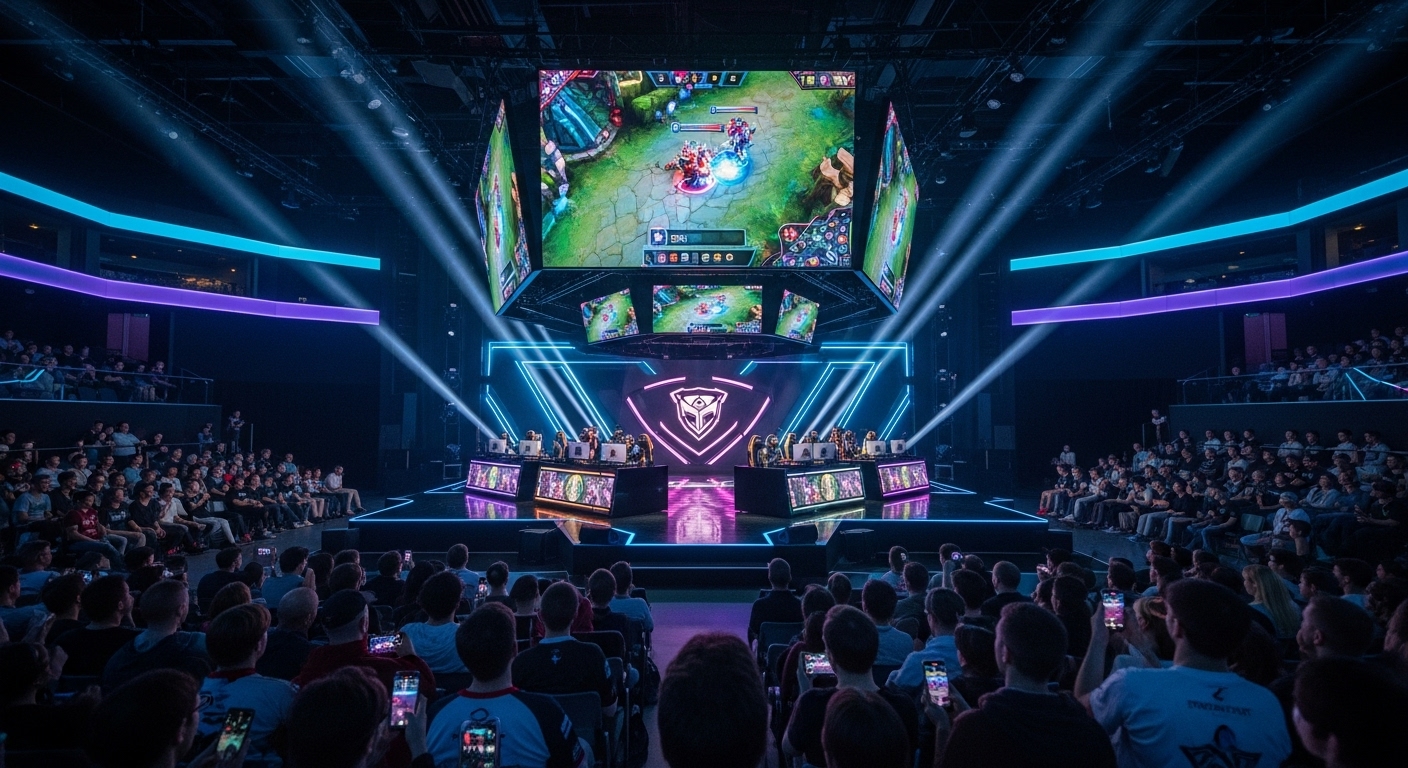
Esports, or electronic sports, has completely redefined the concept of competition in the modern era. What started as casual gaming among friends has evolved into a professional, high-stakes global industry. Today, esports tournaments fill arenas, attract millions of online viewers, and offer prize pools rivaling traditional sports championships. Esports is more than just entertainment; it is a cultural movement that merges technology, strategy, and teamwork into a form of competition that transcends borders.
The Origins of Esports
The story of esports begins in the 1970s, when the first known video game competition, the “Intergalactic Spacewar Olympics,” was held at Stanford University. Participants competed in the game Spacewar for a small prize, setting the stage for competitive gaming. In the 1980s and 1990s, arcade games like Street Fighter and Mortal Kombat fostered local competitions, while the rise of personal computers and the internet allowed multiplayer games like StarCraft and Counter-Strike to flourish. These online competitions connected players worldwide, laying the foundation for modern esports.
The Rise of Professional Gaming
The early 2000s marked the era of professional esports. South Korea became a global hub for competitive gaming, particularly with the popularization of StarCraft. Gamers became celebrities, and televised matches drew large audiences. In Western countries, organizations like Major League Gaming formalized competitive gaming, creating structured tournaments and professional leagues. Teams began hiring coaches, analysts, and managers, turning esports into a legitimate career path. Competitive gaming now demanded not only skill but also discipline, strategy, and teamwork, mirroring the rigor of traditional sports.
The Impact of Streaming Platforms
Streaming platforms revolutionized esports by making competitions accessible to a global audience. Players could broadcast their gameplay live, allowing fans to watch tournaments from anywhere in the world. Streamers and professional gamers became influencers, building communities and engaging audiences with their personalities. The accessibility of streaming helped esports grow exponentially, connecting fans, players, and content creators in a vibrant ecosystem. Today, millions of viewers tune in to watch events live, turning esports into a major entertainment industry.
Popular Esports Titles
Several games dominate the esports landscape, each offering unique gameplay and competitive experiences. League of Legends and Dota 2 are known for their strategic depth and complex teamwork. Counter-Strike: Global Offensive is a tactical shooter that demands precision and coordination. Valorant combines strategy and action, attracting a large competitive community. Fighting games such as Street Fighter and Tekken maintain niche but passionate followings, while battle royale games like Fortnite and Call of Duty appeal to a younger, fast-paced audience. Each title has cultivated loyal fans, professional leagues, and dedicated tournaments.
Esports as a Career
Esports offers a wide range of career opportunities beyond being a professional player. Coaches, analysts, shoutcasters, event organizers, and content creators all play crucial roles in the industry. Universities now offer esports scholarships and academic programs in game design, management, and broadcasting, legitimizing esports as a professional path. Mobile esports has also expanded opportunities, enabling players from regions with limited resources to compete on an international level. Professional gaming now requires dedication, strategy, and skill, providing sustainable career paths for aspiring players.
Cultural Significance of Esports
Esports has grown into a cultural phenomenon that unites people across the globe. Fans form communities around their favorite games, teams, and players, engaging in discussions, fan art, and cosplay. Large tournaments attract thousands of live spectators, while millions watch online. Esports influences music, media, and fashion, reflecting its pervasive impact on youth culture. More than just a game, esports fosters creativity, collaboration, and social interaction, making it an essential part of modern digital culture.
Challenges Facing the Industry
Despite its growth, esports faces several challenges. Player burnout is a significant concern due to long practice hours and the mental pressure of competition. Fairness and integrity issues, such as cheating, match-fixing, and toxicity, can undermine the credibility of tournaments. Representation is another issue, with female players often underrepresented in professional leagues. Rapid growth has also outpaced regulation, leading to inconsistencies in contracts and earnings. Addressing these challenges is critical for sustaining the growth and professionalism of esports.
Technology Driving Esports
Technology plays a central role in esports. High-performance gaming equipment, fast internet, and advanced software allow players to compete at elite levels. Data analytics and artificial intelligence help teams refine strategies and enhance performance. Virtual reality and augmented reality are emerging as tools to make gameplay and viewing experiences more immersive. Cloud gaming technology is also expanding access, enabling more players to participate regardless of hardware limitations. Continuous technological advancements ensure that esports remains innovative and dynamic.
Globalization of Esports
Esports has become a truly global industry. South Korea, China, the United States, and Europe dominate the professional scene, while regions like Southeast Asia, Latin America, and India are rapidly growing. International tournaments bring together players and fans from around the world, fostering a sense of global community. Some countries even recognize esports athletes with official status, reflecting its legitimacy as a professional sport. The international reach of esports demonstrates its ability to transcend cultural and geographic boundaries, connecting people worldwide through competition.
Esports in Education
Esports is increasingly integrated into educational programs. Schools and universities use esports to teach skills such as teamwork, critical thinking, leadership, and problem-solving. Competitive gaming clubs provide students with social engagement and community involvement. Academic programs in esports management, game design, and media prepare students for careers in the industry. By combining gaming with education, esports encourages personal growth and professional development, bridging entertainment and learning in a unique way.
Business and Marketing Opportunities
The business side of esports has expanded rapidly. Sponsorships, advertising, media rights, merchandise, and ticket sales generate significant revenue for teams and tournaments. Brands across technology, fashion, automotive, and food industries actively engage with esports audiences. Successful marketing in esports requires understanding community culture and creating authentic engagement. The industry has become a hub for innovative strategies, blending entertainment and commerce to connect with a global, tech-savvy audience.
Mental Health and Well-Being
Mental health is a growing focus in esports. Long practice hours, high competition pressure, and online criticism can contribute to stress, anxiety, and burnout. Leading organizations now employ psychologists, wellness coaches, and support systems to help players maintain their well-being. Open discussions about mental health are increasingly common, helping to reduce stigma and create healthier professional environments. Prioritizing mental health ensures sustainability and longevity for players and the industry as a whole.
The Future of Esports
The future of esports is filled with potential. Emerging technologies such as virtual reality, augmented reality, and cloud gaming will redefine competition and spectator experiences. Mobile esports will continue to democratize participation, allowing players from diverse backgrounds to compete internationally. Esports may achieve further recognition alongside traditional sports in major events. With technological innovation, expanding career opportunities, and growing audience engagement, esports is poised to become an even more influential global phenomenon.
Conclusion: Esports as a Transformative Force
Esports has redefined the boundaries of competition, blending technology, strategy, and teamwork in ways that captivate millions worldwide. Beyond entertainment, esports fosters careers, builds global communities, and influences culture on a massive scale. It connects people across continents and creates shared experiences that transcend traditional sports. The rise of esports represents a shift in how society values competition, creativity, and collaboration. Competitive gaming is no longer a niche hobby; it is a transformative force that continues to shape the future of sports, media, and digital culture.