
Introduction: Esports – More Than Just a Game
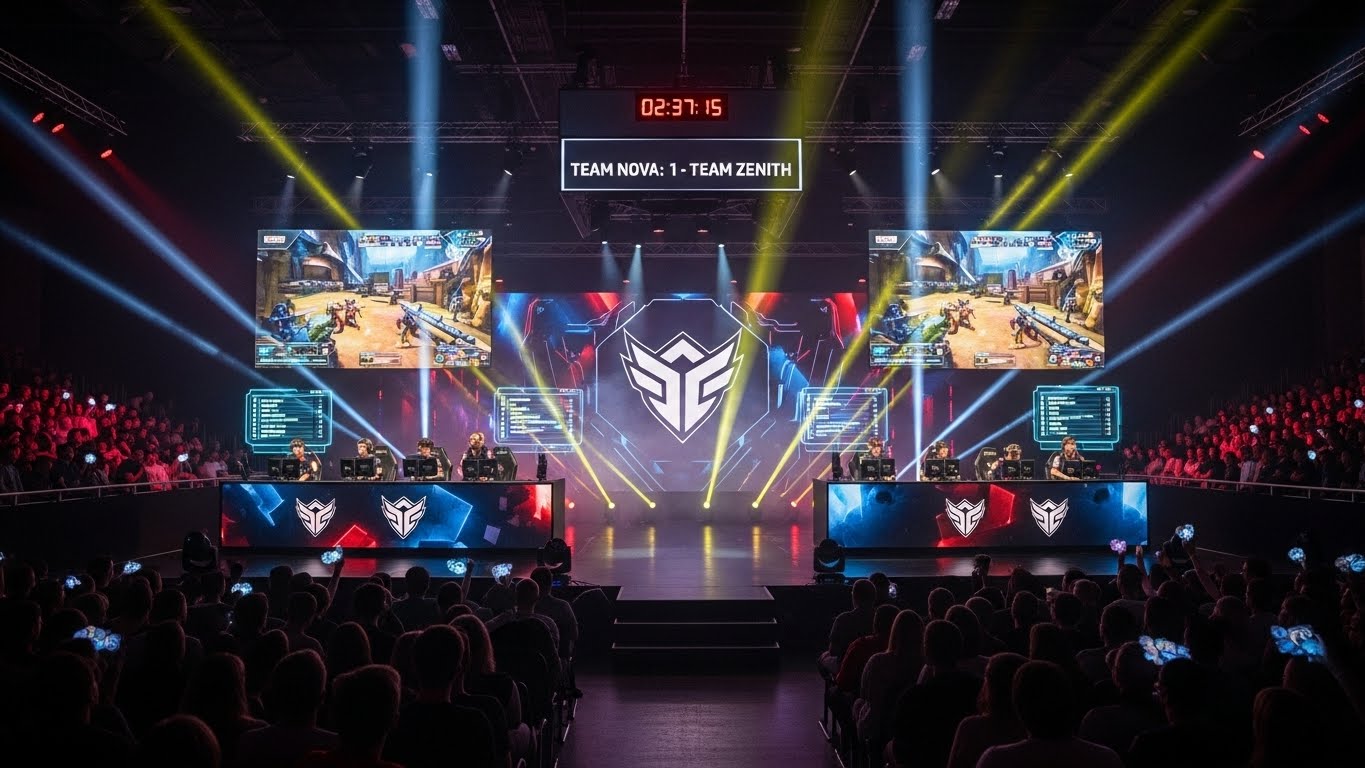
Esports, or competitive video gaming, has grown into a global cultural phenomenon that is challenging traditional forms of entertainment. Once confined to basement tournaments and casual LAN parties, esports has blossomed into a multi-billion-dollar industry, with millions of fans, players, and organizations around the world. What began as a niche subculture is now a mainstream entertainment option, rivaling conventional sports in terms of viewership, revenue, and influence.
Today, esports isn’t just about people watching others play video games. It’s about professional players, massive tournaments, sponsorship deals, and a vibrant community that spans the globe. The rise of esports has revolutionized not only the gaming industry but also the entertainment sector as a whole. This blog post explores the multifaceted world of esports, highlighting its growth, impact, and future.
The Journey of Esports: From Humble Beginnings to Global Dominance
The history of esports can be traced back to the early days of competitive gaming. In the 1990s, local competitions and small tournaments began to take shape, often in community centers or LAN cafes. Games like Street Fighter and Quake were the earliest titles around which players would compete for bragging rights and small prizes. However, these events were relatively modest in scale, and it was hard to imagine that they would evolve into the high-stakes competitions we see today.
It wasn’t until the late 2000s and early 2010s that esports began to pick up momentum on a global scale. Titles like StarCraft, League of Legends, and Dota 2 became the foundation upon which the modern esports industry was built. Streaming platforms like Twitch and YouTube provided an accessible platform for fans to watch their favorite players and teams in action, and soon, huge tournaments like The International and the League of Legends World Championship began attracting millions of viewers from around the world.
Esports has since evolved from a grassroots hobby into a professionally organized industry with sponsorships, broadcasting rights, and lucrative prize pools. Events such as the Overwatch League and Call of Duty League have expanded the reach of esports into mainstream media, and major sports networks now air esports events alongside traditional sports.
The Growing Popularity of Esports Among Fans
Esports has tapped into a massive, young, and digitally native audience. Many esports fans are millennials and Gen Z, who have grown up with video games and are highly engaged with digital media. For this demographic, watching others play video games is as much a form of entertainment as watching traditional sports. The interaction between fans and players is an essential part of the esports experience, and platforms like Twitch and YouTube have made this connection possible.
One of the key factors behind the growing popularity of esports is the accessibility of gaming content. Unlike traditional sports, which often require expensive equipment or a subscription to premium TV channels, esports content is freely available online. Whether it’s a casual gamer watching a professional match or a dedicated fan tuning in for a major tournament, esports offers a level of accessibility that traditional sports cannot match. Fans can interact with their favorite players in real-time, contributing to a sense of community that is integral to the esports experience.
Additionally, the global nature of esports ensures that it appeals to audiences worldwide. A fan in North America can cheer for a team based in Europe, while viewers in Asia can watch the same tournament live. Esports transcends geographic boundaries, creating a truly international ecosystem of players, teams, and fans.
The Business of Esports: A Multi-Billion Dollar Industry
Esports is no longer just about playing games and having fun; it’s become a lucrative industry that generates billions of dollars in revenue each year. According to recent reports, the global esports market is projected to exceed $1 billion in revenue, with sponsorship deals, advertising, and media rights accounting for a significant portion of that income.
The role of sponsorships in the growth of esports cannot be overstated. Major brands such as Coca-Cola, Intel, Red Bull, and Nike have invested heavily in esports, understanding the potential of reaching an engaged, tech-savvy audience. Esports sponsorship deals can be worth millions of dollars, with brands eager to advertise on esports streams, team jerseys, and event broadcasts. These deals not only provide financial support to esports organizations but also contribute to the overall visibility of the industry.
In addition to sponsorships, media rights are another significant revenue stream. Popular esports tournaments are broadcasted on streaming platforms like Twitch, YouTube, and Facebook Gaming, with networks such as ESPN and BBC even airing certain events on television. The revenue from these media rights deals continues to grow, allowing esports organizations to invest in larger events and create new opportunities for fans to engage with the content.
Prize pools, too, play an essential role in fueling the business of esports. Events like The International for Dota 2 and the Fortnite World Cup have offered prize pools in the tens of millions of dollars, attracting top-tier talent and spectators. Players, teams, and organizations share in the prize money, making esports not just a hobby but a legitimate career for many talented individuals.
Professional Esports Teams: The Rise of the Digital Athlete
Esports teams and players have become the backbone of the industry. These teams are often sponsored by major brands, and they operate similarly to traditional sports franchises. Players within these teams are highly skilled athletes, training for hours each day to stay on top of their games. Unlike traditional sports, however, esports players do not typically train on physical fields or courts; they train in practice rooms or online, where they refine their skills, learn new strategies, and analyze their gameplay.
A professional esports player’s career is not without its challenges. While the lifestyle may seem glamorous from the outside, it requires immense dedication and discipline. Professional players often begin their careers in their teens and spend countless hours perfecting their gameplay. The pressure to perform can be overwhelming, and players are constantly under scrutiny from fans and sponsors alike.
Top players in games like League of Legends, Counter-Strike: Global Offensive, and Fortnite can earn substantial salaries, both from tournament winnings and endorsement deals. Some of the biggest names in esports, such as Faker (Lee Sang-hyeok) from League of Legends and s1mple (Oleksandr Kostyliev) from CS:GO, have achieved celebrity status within the gaming world, with millions of followers on social media and lucrative sponsorship deals.
Beyond individual players, esports organizations have grown into powerful entities in their own right. Teams such as T1, Cloud9, FaZe Clan, and Team Liquid have built substantial fanbases, and their players are revered as elite athletes in the gaming world. These organizations play an important role in shaping the direction of esports, managing teams, securing sponsorships, and hosting tournaments.
The Cultural Impact of Esports
Esports is not just a form of entertainment; it’s a cultural movement. The rise of esports has changed the way we view video games and competitive gaming, giving them legitimacy and respect in mainstream culture. This cultural shift has been supported by the widespread adoption of gaming as a pastime, with games now considered a form of social interaction and competition rather than just solitary experiences.
Esports has also fostered a strong sense of community among players and fans. Whether it’s through online discussions on Reddit, watching live streams, or attending tournaments in person, fans of esports are deeply invested in the success of their favorite teams and players. This sense of camaraderie and shared passion creates a unique bond between fans and the digital athletes they support.
Moreover, esports has also broken down barriers in terms of gender, race, and geography. While the gaming community was once considered predominantly male and Western, esports has opened up new avenues for inclusivity and diversity. Female players, content creators, and fans are now taking center stage in the world of esports, proving that anyone, regardless of background, can succeed in the competitive gaming space.
The Future of Esports: What Lies Ahead?
The future of esports looks incredibly bright, with continuous growth on the horizon. As more players, teams, and fans become involved in the industry, we can expect esports to continue evolving in exciting ways.
One major area of growth is mobile esports. With mobile gaming becoming increasingly popular, games like PUBG Mobile, Free Fire, and Arena of Valor are expected to continue growing in both popularity and competitive significance. In fact, mobile esports may become the largest segment of the esports market, especially in regions such as Southeast Asia, where mobile gaming is incredibly popular.
Additionally, technological advancements such as virtual reality (VR) and augmented reality (AR) could take esports to new heights. As VR technology improves, it may allow players and viewers to experience esports in more immersive ways. Imagine watching a Counter-Strike match from the perspective of a player or attending an esports event virtually from the comfort of your home—these are the possibilities that VR and AR could offer in the coming years.
Finally, the integration of esports into traditional sports leagues could accelerate the industry’s growth. Many professional sports organizations are already investing in esports, and in the future, we may see esports leagues become just as established and mainstream as traditional sports leagues like the NBA, NFL, and FIFA.
Conclusion: Esports as the Future of Entertainment
Esports has firmly established itself as one of the most exciting and rapidly growing sectors of the entertainment industry. From its humble beginnings in community tournaments to its current status as a multi-billion-dollar industry, esports has changed the way people view competitive gaming and entertainment. With global audiences, lucrative sponsorships, professional players, and immersive viewing experiences, esports is poised to continue its meteoric rise.