Introduction
Esports has rapidly transformed from a niche pastime into one of the fastest-growing competitive industries in the world. Once dismissed as simple video games, competitive gaming has evolved into a global spectacle drawing millions of players, spectators, and investors. With packed arenas, professional teams, and massive prize pools, esports has redefined the meaning of competition in the digital age. It blends entertainment, strategy, athleticism, and technology in ways that were unimaginable just a decade ago. This blog explores how esports rose to prominence, why it captivates audiences, and what its future means for sports and society.
The Early Days of Esports
Before esports became a worldwide sensation, competitive gaming began in small communities and local arcades. In the early days of computer and console gaming, players would challenge each other informally, testing their skills in everything from fighting games to first-person shooters. As technology advanced, so did the competitive scene. Online multiplayer gaming opened the door for global competition, allowing players from different countries to face off without ever leaving their homes. What started as friendly rivalry grew into structured tournaments, amateur leagues, and eventually professional organizations. The evolution of esports mirrors the evolution of technology itself, showing how digital innovation can reshape culture and entertainment.
The Explosion of Global Popularity
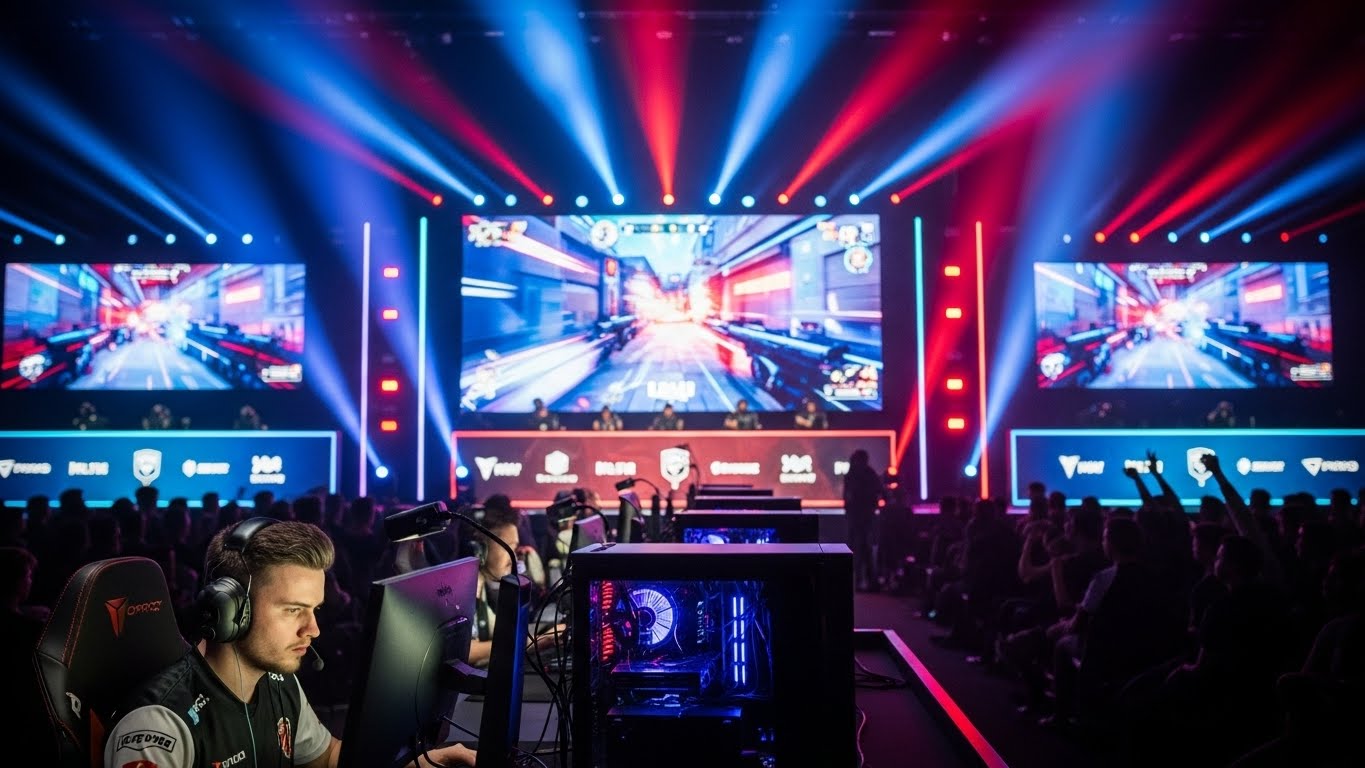
Today, esports is a global powerhouse watched by millions of fans. Countries across Asia, Europe, and North America have embraced competitive gaming, treating top esports athletes as celebrities. Professional esports arenas now host roaring crowds, while streaming platforms allow fans from around the world to watch matches live. The sense of excitement, unpredictability, and high-level skill has turned esports into a mainstream entertainment industry. Just like traditional sports, fans form emotional connections with teams, players, and iconic moments in competition. Esports has become a modern cultural movement, providing a shared space where gaming passion unites people of different ages, cultures, and backgrounds.
Understanding the Skills Behind Esports
Many people underestimate the complexity of esports. Success in games requires precise coordination, fast reflexes, strategic decision-making, and intense concentration. Professional players train for hours each day to master gameplay mechanics, study their opponents, and build team strategies. Reaction times in esports can be faster than those needed in some physical sports, and the mental stamina required to perform at the highest level is immense. Training involves not only playing the game but also analyzing match footage, practicing communication, and refining tactical approaches. Esports demands discipline, focus, and resilience, proving that it is far more than casual entertainment.
Teamwork and Communication in Competitive Gaming
Although some esports titles focus on individual skill, many of the most popular games rely heavily on teamwork. Teams must coordinate strategies, make real-time decisions, and trust each other’s judgment during intense matches. Communication plays a critical role, as even a second of hesitation can lead to a game-changing mistake. Esports teams often practice just like traditional sports teams, with coaches guiding gameplay, analysts studying opponents, and managers organizing schedules and training routines. The bond formed between teammates is essential for long-term success, and the collaborative aspect of esports distinguishes it as a deeply social form of competition.
The Business Behind Esports
The esports industry has become a significant economic force. Professional teams secure sponsorships from major brands, gaming companies invest in tournaments, and organizers build massive events that draw global audiences. Merchandise, advertising, and streaming revenue contribute to a rapidly expanding economy that supports not just players but also coaches, commentators, event planners, content creators, and marketing specialists. Prize pools for major tournaments have grown to impressive amounts, turning gaming into a lucrative career for talented competitors. The business side of esports reflects its maturity as an industry, demonstrating how digital entertainment can build profitable ecosystems that rival traditional sports.
Esports and Technology: A Perfect Partnership
Technology is the foundation of esports, and advancements continue to push the industry forward. High-performance gaming PCs, advanced graphics, and lightning-fast internet connections enable smooth and immersive gameplay. Streaming platforms allow millions of fans to watch games live, interacting with players and other viewers in real time. Developers design competitive games with complex mechanics, balance adjustments, and regular updates to keep competition fresh and engaging. Artificial intelligence, virtual reality, and augmented reality are shaping the future of competitive gaming, offering exciting possibilities for new forms of play and spectator engagement. The relationship between technology and esports shows the limitless potential of digital innovation.
Esports in Schools and Education
The rise of esports has also influenced the education sector. Schools, colleges, and universities worldwide are creating esports clubs, teams, and academic programs. These programs promote teamwork, discipline, and leadership while providing students with a sense of belonging and purpose. Esports scholarships are becoming increasingly common, allowing talented players to pursue higher education while competing at the collegiate level. Beyond competition, esports introduces students to career paths in game development, broadcasting, event management, and digital design. The incorporation of esports into education demonstrates its value as a tool for learning and personal development.
Mental and Physical Health in Esports
Although esports is primarily a mental competition, physical and mental health remain crucial for performance. Players need proper posture, hand-eye coordination, nutrition, and regular physical exercise to maintain stamina and avoid injuries such as wrist strain or back pain. Mental health challenges, including stress, anxiety, and burnout, can affect players due to intense competition and long practice hours. Teams now hire physical trainers, therapists, and sports psychologists to support the overall well-being of their players. The focus on health highlights the professionalism of esports and the importance of maintaining balance in a demanding environment.
Challenges Facing the Esports Industry
Despite its success, esports faces several challenges. Toxic behavior, cheating, and unfair play can undermine the integrity of competition. Gender inequality remains an issue, as female players often face bias and harassment that limit their opportunities. The lack of universal regulations across tournaments and leagues can create inconsistencies and disputes. Player burnout is also a concern due to long training hours and constant pressure to perform. For esports to continue growing sustainably, it must address these challenges through better governance, stricter anti-cheat measures, improved community standards, and support systems for players of all backgrounds.
The Cultural Impact of Esports
Esports has become more than entertainment; it has shaped modern culture. It influences fashion, music, streaming culture, and social media trends. Gaming personalities and esports stars now enjoy celebrity status, with millions following their journeys online. Esports has created a sense of global community where fans connect through shared excitement and passion. Youth around the world see gaming not just as a hobby but as a pathway to careers, friendships, and self-expression. The cultural impact of esports is a testament to its ability to resonate with people in a digital-first world.
The Future of Esports
The future of esports is filled with promise. As technology continues to evolve, new games, platforms, and competition formats will emerge. Virtual reality esports could introduce immersive experiences unlike anything seen before. Mobile gaming is expanding esports accessibility, especially in regions where high-end computers are less common. Traditional sports organizations are collaborating with esports teams, blending physical and digital competition. The industry is likely to grow in professionalism, diversity, and global reach. Esports has only begun to scratch the surface of its potential, and its influence will continue shaping entertainment, culture, and technology for years to come.
Conclusion
Esports represents the evolution of competition in the digital era. It combines skill, strategy, teamwork, and innovation into a thrilling spectacle enjoyed by millions. From its humble beginnings to its global rise, esports has proven that athletic competition is not limited to physical arenas. It opens new opportunities for education, careers, and community building. As technology advances and the world becomes increasingly connected, esports will play a central role in shaping the future of entertainment and competitive spirit. Whether player, fan, or curious observer, one thing is clear: esports is here to stay, and its journey is only just beginning.