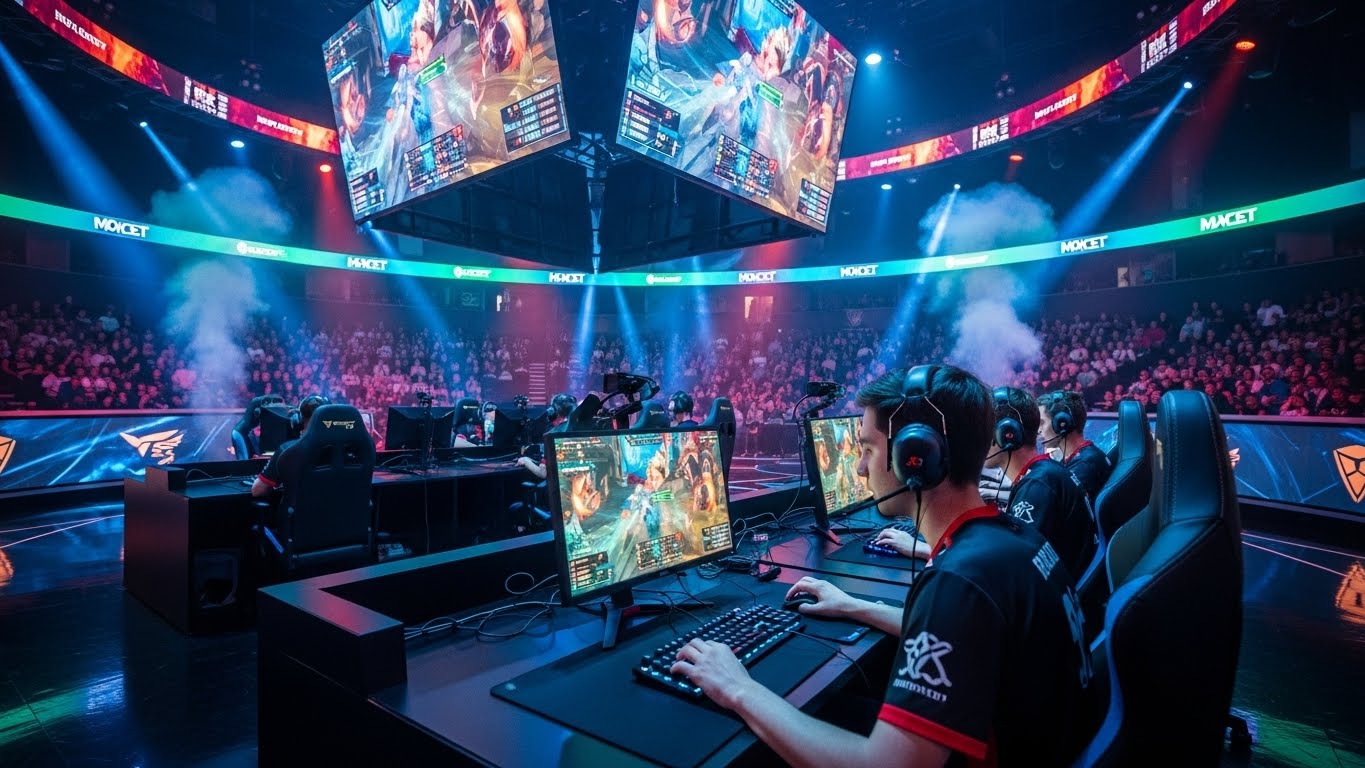
Esports has transformed from a niche hobby into one of the fastest-growing sectors in global entertainment. What once began as small local gaming competitions has now evolved into a billion-dollar industry with professional players, massive arenas, international tournaments, and millions of devoted fans. The rise of esports represents more than just competitive gaming; it showcases how digital entertainment, technology, and global connectivity can come together to create an entirely new form of sport.
Understanding the World of Esports
Esports, short for electronic sports, refers to organized video game competitions. These events can feature individual players or teams competing in various game genres. What sets esports apart is its structured nature: professional leagues, coaching staff, sponsors, analysts, and media coverage mirror the world of traditional sports.
The popularity of esports is fueled by accessibility, high-skill gameplay, and the excitement of real-time competition. Audiences watch to support their favorite teams, learn strategies, and witness world-class skill in action.
The Early Days of Competitive Gaming
Competitive gaming began decades ago, long before esports became mainstream. Early tournaments took place in arcades, universities, and small gaming communities. Events were informal, often organized by passionate players rather than companies or sponsors.
Classic games such as fighting games, strategy titles, and first-person shooters helped lay the foundation of competitive play. As gaming consoles and PCs became more powerful, online multiplayer experiences expanded, allowing players from around the world to compete without meeting physically.
The real turning point came when high-speed internet access became widely available. This single development enabled the rise of global online competitions, creating the infrastructure for esports as we know it today.
The Technology Behind Esports Success
Several technological advancements have contributed to the rapid rise of esports:
High-Speed Internet
Faster internet allows players to compete seamlessly across the world. Low latency and stable connections are essential for real-time gaming.
Advanced Gaming Hardware
Modern gaming PCs, consoles, and peripherals support precision gameplay. High refresh-rate monitors, mechanical keyboards, and responsive controllers elevate performance to professional standards.
Streaming Technology
The ability to broadcast tournaments and gameplay to millions of viewers has made esports accessible to global audiences. This exposure has transformed players into celebrities and teams into brands.
Game Development Innovations
Game developers have begun designing titles with competitive features in mind. Balanced mechanics, ranked matchmaking, spectator modes, and regular updates help maintain fairness and excitement.
Popular Genres in Esports
Esports includes a wide variety of games, each with its own competitive scene and fanbase. Some of the most popular genres are:
Multiplayer Online Battle Arenas (MOBAs)
These games emphasize strategy, teamwork, and real-time decision-making. Teams compete to control objectives and defeat opponents in complex map environments.
First-Person Shooters (FPS)
FPS esports games rely on quick reflexes, aim precision, and strategic positioning. These titles often feature intense head-to-head battles and tactical teamwork.
Fighting Games
Fighting games focus on individual skill, combos, mind games, and mastery of characters. These competitions often showcase incredible precision and mental resilience.
Sports Simulations
Sports games replicate real-world sports but in a digital environment. Players must understand tactics, timing, and game mechanics to compete at the highest levels.
Battle Royale
This fast-paced genre features large groups of players competing until only one remains. It emphasizes survival, adaptability, and quick thinking.
Professional Esports Players and Teams
Esports athletes are highly skilled, dedicated professionals. Their path to success includes rigorous training schedules, strategic analysis, physical fitness routines, and teamwork development.
Professional players often train for several hours a day, reviewing gameplay, studying opponents, and practicing mechanical skills. Many teams employ coaches, analysts, nutritionists, and psychologists to help players perform at their peak.
Esports teams operate similarly to clubs in traditional sports. They recruit talent, compete in leagues, participate in international tournaments, and engage with fans through social media and events.
The Global Growth of Esports
The expansion of esports is truly global. Countries across Asia, Europe, North America, and the Middle East have embraced competitive gaming, investing in infrastructure, coaching programs, and large-scale tournaments.
Several factors contribute to this worldwide growth:
Youth Engagement
Younger generations naturally gravitate toward digital entertainment. Esports offers a modern, relatable form of competition.
Accessibility
Unlike traditional sports that require physical facilities, esports can be played virtually anywhere with proper equipment.
International Tournaments
Large global competitions attract millions of viewers, creating global fandoms and cultural exchange.
Economic Opportunities
Esports generates revenue through sponsorships, merchandise, advertising, media rights, and player earnings, driving further investment.
The Role of Streaming and Content Creation
Streaming platforms have played a crucial role in shaping esports culture. Professional players, content creators, and gaming personalities livestream their gameplay, building communities and maintaining engagement.
This creates a unique bond between players and fans. Viewers can interact in real time, learn from their favorite players, and become part of the gaming experience. As a result, many esports athletes also maintain careers as content creators, increasing their visibility and influence.
The Business of Esports
Esports has grown into a major industry supported by several revenue streams:
Sponsorships
Companies partner with teams and players to promote their brands, forming one of the largest revenue sources.
Advertising
Broadcasts and events attract advertisers seeking to reach large, engaged audiences.
Merchandise
Teams sell apparel, accessories, and digital items to fans.
Tournament Winnings
Competitive events offer significant prize pools that reward top-performing teams.
Media Rights
Broadcasting networks purchase rights to stream major tournaments, generating additional income for event organizers.
Career Opportunities in Esports
Esports is not limited to players alone. The industry offers diverse career paths, including:
- Coaches and analysts
- Commentators and hosts
- Content creators and influencers
- Event organizers
- Marketing and social media managers
- Game developers
- Broadcast producers
- Team managers
These careers highlight how esports has matured into a full-scale professional sector with long-term growth potential.
Social and Cultural Impact of Esports
Esports has made a significant impact on modern culture:
Community Building
Gaming communities unite fans across countries, languages, and backgrounds. People form friendships and support each other through shared interests.
Acceptance of Gaming
Competitive gaming has shifted public perceptions of gaming from a hobby to a legitimate career and sport.
Educational Opportunities
Some academic institutions now offer esports scholarships and programs, acknowledging its cultural and economic significance.
Life Skills
Esports emphasizes teamwork, communication, strategy, time management, and critical thinking. These skills benefit players both online and offline.
Challenges Facing the Esports Industry
Despite its rapid success, esports faces several challenges:
Player Burnout
Intense schedules can lead to stress and fatigue.
Competitive Integrity
Ensuring fair play, anti-cheat measures, and rule enforcement is critical.
Financial Stability
Not all teams and players earn the same level of income, creating disparities within the industry.
Health Concerns
Long gaming hours may impact physical and mental health without proper guidance.
Addressing these challenges is essential to fostering a sustainable future for esports.
The Future of Esports
The future of esports looks incredibly promising. With advancements in virtual reality, augmented reality, and cloud gaming, competitive gaming will become even more immersive and accessible.
Esports may soon be integrated with traditional sports markets, educational institutions, and global events. As technology continues to evolve, competitive gaming will expand, innovate, and inspire the next generation of digital athletes.
Conclusion
Esports has undergone a remarkable transformation from small gaming gatherings to a global competitive entertainment industry. With millions of fans, professional players, global tournaments, and innovative technology, esports has firmly established itself as a modern sport.
Its influence on culture, career opportunities, and digital entertainment continues to grow, shaping how people connect, compete, and enjoy gaming. As the industry evolves, esports will remain a powerful force in the world of entertainment, inspiring new players and fans worldwide.