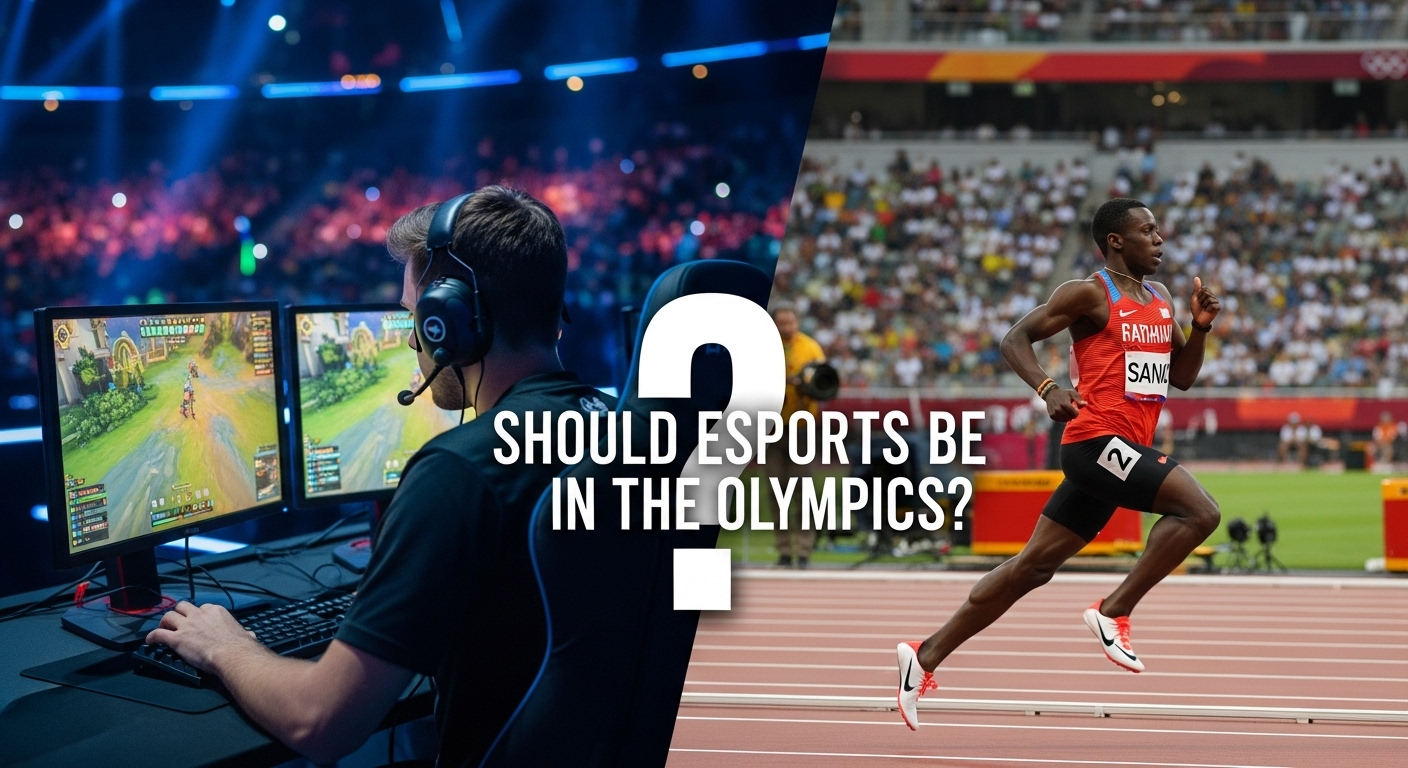
The Olympic Games are the pinnacle of sporting achievement, celebrated worldwide as a showcase of athletic excellence, discipline, and international unity. Traditionally, the Olympics have been reserved for physical sports—running, swimming, gymnastics, and team-based competitions like soccer or basketball. However, the rise of esports—a rapidly growing industry where professional gamers compete in digital arenas—has ignited debate over whether competitive gaming should earn a place in the Olympics. While some argue esports aligns perfectly with the spirit of competition, others contend it lacks the physicality traditionally associated with Olympic sports. This blog explores the arguments, challenges, and potential future of esports within the Olympic movement.
The Rise of Esports
Esports, or electronic sports, refers to organized, competitive video gaming. What started as casual gaming among friends has evolved into a global phenomenon, with professional leagues, massive prize pools, and millions of fans worldwide. Titles like League of Legends, Dota 2, Counter-Strike: Global Offensive, and Fortnite have professional players who train rigorously, maintain strict schedules, and compete in high-stakes tournaments broadcast to millions online.
The growth of esports has been meteoric. According to industry reports, the global esports market is expected to surpass $2 billion in revenue in the next few years, with sponsorships, media rights, and merchandise driving growth. Audience numbers rival those of traditional sports, with events like the League of Legends World Championship drawing over 100 million viewers worldwide. This unprecedented popularity has prompted discussions about esports’ legitimacy as a “sport” and whether it deserves recognition on a stage as prestigious as the Olympics.
Arguments for Including Esports in the Olympics
1. Esports Require Skill, Strategy, and Dedication
Critics often dismiss esports as mere entertainment, but professional gaming demands exceptional skill, mental acuity, and strategic thinking. Top players exhibit lightning-fast reflexes, intricate hand-eye coordination, and the ability to make split-second decisions under extreme pressure. The training regimen of an esports athlete can be as rigorous as that of a traditional Olympian, often involving hours of daily practice, physical conditioning, and mental coaching.
2. Global Reach and Youth Engagement
One of the Olympics’ longstanding goals is to engage younger generations. Esports, with its enormous youth following, aligns perfectly with this mission. Millennials and Gen Z are among the most engaged esports audiences, often watching livestreams rather than traditional TV broadcasts. By integrating esports, the Olympics could modernize its image and appeal to younger viewers, ensuring its relevance in an increasingly digital world.
3. Competitive Integrity and Organized Structure
Esports leagues have professional structures comparable to traditional sports leagues. Organizations enforce rules, maintain competitive integrity, and monitor for cheating. Many esports titles are overseen by official governing bodies or tournament organizers, establishing standardized formats and regulations that could translate into Olympic-style competitions.
4. Mental and Cognitive Athletics
While esports may not always involve extensive physical exertion, they are mentally and cognitively demanding. The International Olympic Committee (IOC) recognizes sports like chess as “mind sports,” acknowledging the value of intellectual competition. Esports require similar mental endurance, memory, and strategic thinking, which could justify their inclusion on this precedent.
Arguments Against Including Esports in the Olympics
1. Lack of Physicality
One of the strongest arguments against esports is their limited physical component. Traditional Olympic sports emphasize physical exertion, endurance, and the human body’s capabilities. Critics argue that sitting at a computer, even with fast reflexes and mental agility, does not match the physical demands of running, swimming, or gymnastics.
2. Violence in Games
Many of the most popular esports titles, including Call of Duty and Counter-Strike, involve combat and simulated violence. This poses a challenge for the Olympics’ mission of promoting peace, friendship, and unity among nations. Critics argue that glorifying violent gameplay could conflict with the values traditionally associated with the Olympic movement.
3. Licensing and Commercialization Issues
Esports titles are often owned by private companies with intellectual property rights. For example, League of Legends is owned by Riot Games, and Dota 2 by Valve Corporation. Including these games in the Olympics would require licensing agreements, raising concerns about commercialization and potential conflicts between the Olympic spirit and corporate interests.
4. Fragmented Esports Ecosystem
Unlike traditional sports with standardized rules, esports are fragmented, with multiple titles, genres, and competitive formats. Selecting which games to include in the Olympics would be controversial, and constant updates or changes in popular titles could make long-term inclusion difficult.
Case Studies: Esports in Multi-Sport Events
Esports has begun to find a foothold in major international competitions. For instance:
- Asian Games: In 2018, esports was included as a demonstration sport at the Asian Games in Jakarta, with titles like League of Legends, Pro Evolution Soccer, and StarCraft II featured. This marked a significant step in legitimizing esports as a competitive discipline.
- Olympic Virtual Series: The IOC introduced the Olympic Virtual Series in 2021, a global event showcasing digital sports including virtual cycling, rowing, and motorsports. While not traditional esports, it demonstrates the IOC’s willingness to explore digital competition.
These examples suggest a growing acceptance of digital sports on international stages, though full Olympic inclusion remains a contentious issue.
The Olympic Spirit and Esports
The Olympic Charter emphasizes values such as excellence, respect, and friendship. To determine if esports fit these ideals, one must evaluate how competitive gaming embodies these principles:
- Excellence: Professional gamers pursue mastery through relentless training and competition, mirroring athletes’ commitment to excellence.
- Respect: While toxic behavior exists in gaming, professional esports leagues actively promote sportsmanship, teamwork, and fair play.
- Friendship and Unity: International esports tournaments bring together players from diverse countries, fostering global connections and cultural exchange.
From this perspective, esports aligns with the Olympic ethos, particularly if games are carefully selected to reflect non-violent, strategic, and skill-based competition.
Challenges to Implementation
Even if esports meet the Olympic values, logistical and structural challenges remain:
- Standardizing Competitions: Ensuring fair play across different gaming platforms, versions, and hardware setups would require meticulous regulation.
- Gender Inclusivity: Traditional sports often segregate events by gender, while esports are largely mixed-gender. Developing a fair and inclusive competitive structure could be challenging.
- Public Perception: Many traditionalists view esports as entertainment, not sport. Convincing the broader public and Olympic stakeholders of esports’ legitimacy may require years of demonstration and education.
- Technological Reliability: High-stakes esports tournaments rely on stable internet connections and servers. Technical failures could undermine competition integrity.
Potential Paths Forward
Rather than immediate inclusion in the Olympic Games, esports could take incremental steps toward recognition:
- Demonstration Sports: Similar to the 2018 Asian Games, esports could be featured as demonstration events in future Olympic Games to gauge reception.
- Collaboration with Governing Bodies: Establishing standardized rules and selecting appropriate titles would help align esports with Olympic standards.
- Non-Violent Games Focus: Emphasizing games that require skill, strategy, and teamwork without violent content could address ethical concerns.
- Youth-Oriented Olympic Festivals: Including esports in youth-focused Olympic festivals could help engage younger audiences and build legitimacy gradually.
Conclusion
The debate over whether esports should be included in the Olympics is complex, blending questions of tradition, legitimacy, technology, and values. Esports undoubtedly share many qualities with traditional sports: rigorous training, strategic mastery, international competition, and dedicated fans. However, challenges related to physicality, violence, commercialization, and public perception remain significant hurdles.
The most likely path forward is a cautious, phased approach—integrating esports into demonstration events, aligning with Olympic values, and building a robust, standardized competitive framework. Whether esports ultimately become an official Olympic sport may depend as much on cultural acceptance as on competitive merit.
In the end, the question is less about whether esports can fit into the Olympics and more about whether the Olympics are ready to evolve in the digital era. The future of sport, like the future of gaming, is fast-moving, and the intersection of the two promises to redefine competition for generations to come.