
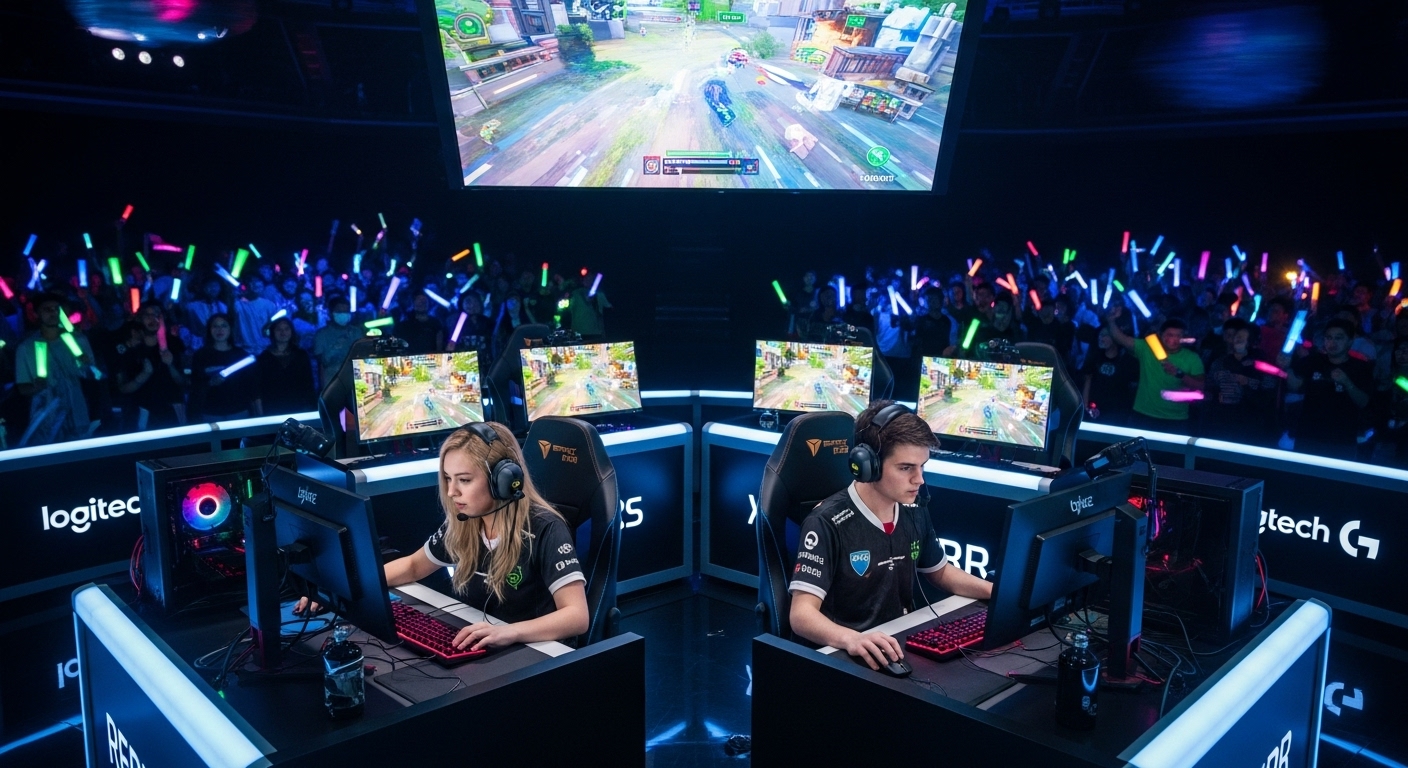
Esports has evolved from a niche gaming hobby into a global phenomenon that connects millions of players and fans across borders. While it’s known for its intense competitions, massive prize pools, and entertainment value, another side of esports is growing just as quickly—its power to give back. The esports community has embraced philanthropy in unique and inspiring ways, leveraging the influence of teams, streamers, and gaming organizations to make a real-world impact.
From charity tournaments to foundations run by gaming giants, esports philanthropy is transforming how gamers contribute to society. In this article, we’ll explore some of the best esports philanthropy initiatives, what makes them successful, and how they are shaping the gaming industry into a force for good.
The Rise of Philanthropy in Esports
In the early days of competitive gaming, few could have imagined that esports would one day raise millions for humanitarian causes. Yet as the industry grew, so did its sense of responsibility. Players, teams, and event organizers began recognizing the incredible reach of their platforms and the loyalty of their audiences.
Unlike traditional charity drives, esports initiatives tap into a global, tech-savvy community. Through livestreams, charity tournaments, and special in-game purchases, they can raise substantial funds while keeping audiences entertained and engaged. The power of interactivity—viewers donating live, competing for good causes, or buying digital items to support charity—has made esports one of the most innovative fields in modern philanthropy.
1. Gamers Outreach Foundation
One of the most influential names in esports charity work is the Gamers Outreach Foundation. This nonprofit organization focuses on improving the lives of hospitalized children by providing them with access to video games and entertainment.
Their main initiative, Gamers for Giving, is an annual LAN party and fundraising event that brings together gamers, streamers, and esports teams to raise money for hospitals. The funds help build “GO Karts”—mobile gaming stations that can be wheeled to patients’ rooms, giving them the joy of gaming even during long hospital stays.
This initiative showcases how gaming can be more than entertainment—it can be a source of comfort, healing, and emotional support for those who need it most. Gamers Outreach has become a symbol of how digital communities can create tangible, life-changing impact in the real world.
2. Riot Games Social Impact Fund
Riot Games, the developer behind League of Legends and Valorant, has taken philanthropy seriously through its Social Impact Fund. Rather than organizing one-time charity drives, Riot established a long-term initiative to support various global causes, from education to mental health to disaster relief.
They often tie these efforts directly into their games. For example, when players purchase specific in-game skins or cosmetic items, a portion of the revenue goes to charity. One of their most successful campaigns involved a limited-edition skin where players helped raise millions of dollars worldwide.
What makes Riot’s initiative stand out is its sustainability and transparency. Instead of short-term donations, Riot built a system that integrates philanthropy into the everyday actions of its massive player base.
3. Z Event – France’s Massive Charity Marathon
Z Event is one of the largest charity livestream events in the world. Started by French streamers, it brings together dozens of online personalities for a multi-day streaming marathon, all dedicated to raising money for charity.
Each year, Z Event supports a different cause, such as environmental conservation, medical research, or humanitarian aid. Viewers can donate during the event, triggering fun incentives, challenges, or stunts from streamers.
The initiative has repeatedly broken donation records, collecting tens of millions of euros in just a few days. What makes Z Event powerful is its community-driven spirit—gamers uniting for good, powered by enthusiasm, humor, and solidarity.
4. CAREgaming
CAREgaming is a unique global initiative that brings together gamers and esports enthusiasts to raise funds for humanitarian efforts. Organized by the international nonprofit CARE, this project collaborates with streamers, teams, and influencers to host charity livestreams and tournaments.
Their focus is broad—addressing poverty, disaster relief, gender equality, and education. CAREgaming emphasizes inclusion and global participation, encouraging people from all corners of the gaming world to get involved.
By blending competitive fun with compassion, CAREgaming proves that the energy and creativity of the gaming community can tackle some of the world’s toughest challenges.
5. #EsportsForGood by Epic Foundation
The #EsportsForGood initiative, launched by the Epic Foundation, encourages esports organizations and companies to dedicate part of their revenue to charity. The program partners with teams, publishers, and event organizers to create structured, ongoing contributions toward causes such as youth empowerment, environmental protection, and education.
Unlike many short-term campaigns, #EsportsForGood focuses on building a culture of philanthropy within the industry itself. By making charitable giving a routine business practice rather than an occasional event, it ensures lasting impact.
This initiative is helping establish philanthropy as a fundamental value in esports, rather than just an afterthought.
6. One True King (OTK) Charity Streams
The content creator and esports organization One True King (often called OTK) has hosted several high-profile charity livestreams that combine entertainment with generosity. These events often include mini-games, competitions, and donation milestones that encourage fan participation.
OTK has raised hundreds of thousands of dollars for various causes, such as children’s hospitals and humanitarian aid organizations. Their approach reflects the power of personality-driven philanthropy—fans donate not just for the cause but also to engage with their favorite creators in meaningful, interactive ways.
The OTK team demonstrates that esports and streaming can make a difference while keeping the spirit of fun and community alive.
7. EVOS Esports Charity Partnerships
EVOS Esports, one of Southeast Asia’s most prominent esports organizations, has collaborated with multiple charities in Singapore and beyond. They have worked with children’s welfare groups, disability support organizations, and youth development programs.
Their activities often include charity show matches, special community events, and merchandise campaigns, with proceeds going directly to local nonprofits. EVOS’s commitment to social good shows that esports organizations can uplift their local communities while maintaining their competitive focus.
By balancing competition and compassion, EVOS represents the growing maturity of the esports scene in the Asia-Pacific region.
8. Global Esports Federation – Global Social Impact Initiative
The Global Esports Federation (GEF) has launched the Global Social Impact Initiative (GSII), which aims to align the esports ecosystem with broader humanitarian and sustainability goals. This initiative brings together global partners—publishers, broadcasters, and tech companies—to fund and promote projects that create positive societal change.
GSII focuses on areas such as youth development, digital literacy, health, and inclusivity. By uniting the industry under a shared mission of responsibility, the GEF’s efforts demonstrate that esports can be a platform for global progress, not just entertainment.
9. Community Charity Tournaments and Streamathons
Beyond major organizations, countless smaller initiatives thrive within the esports community. Streamers and grassroots groups regularly organize tournaments and marathon streams for charity.
These may not make global headlines, but they embody the true spirit of esports philanthropy—ordinary players using their passion for gaming to make a difference. Whether raising funds for medical expenses, animal shelters, or disaster victims, these efforts show that generosity and competition can go hand in hand.
Such community-driven movements reinforce that every gamer, no matter their size or influence, can contribute to the greater good.
10. Developer-Led Charity Events
Several major game developers have integrated philanthropy directly into their esports ecosystems. Companies like Blizzard, Epic Games, and Valve have hosted charity events tied to their competitive titles.
In some cases, proceeds from ticket sales, in-game item purchases, or digital merchandise go directly to charities. For example, players buying limited-edition in-game cosmetics during special tournaments contribute directly to donation funds.
These models blend fun, fandom, and philanthropy seamlessly—allowing millions of fans worldwide to support good causes simply by engaging with their favorite games.
What Makes Esports Philanthropy So Effective
The success of esports philanthropy lies in its ability to merge entertainment and empathy. Unlike traditional fundraising, esports leverages live engagement, community participation, and global connectivity.
Gamers don’t just passively donate—they become part of an active experience. They see their contributions making real-time impact, whether it’s unlocking new donation milestones or watching streamers complete hilarious challenges for charity goals.
Additionally, the esports audience is young, diverse, and socially conscious. Many gamers are eager to support causes that reflect values like equality, inclusivity, and innovation. This alignment makes charitable campaigns highly effective within the gaming ecosystem.
Challenges in Esports Philanthropy
While esports philanthropy has achieved impressive results, it also faces unique challenges. Transparency is essential—donors must trust that their contributions reach the intended beneficiaries. Organizers also need to balance entertainment with genuine impact, ensuring that charity events don’t become purely promotional.
Another challenge is sustainability. Some initiatives thrive for a few years but fade due to lack of consistent funding or community engagement. Building long-term partnerships between charities, organizations, and publishers is key to maintaining momentum.
Despite these hurdles, esports philanthropy continues to grow, adapting to new technologies and global causes.
The Future of Esports for Good
The next generation of esports philanthropy will likely involve deeper integration with technology. Blockchain could enhance transparency in donations, while AI could help identify where funds make the most impact. We may even see fully virtual charity tournaments in the metaverse, connecting players and donors worldwide in immersive environments.
More importantly, as younger gamers mature into professionals, developers, and business leaders, they bring with them a culture of giving that’s already embedded in gaming. Philanthropy is no longer an afterthought—it’s becoming a core identity of the esports industry.
Conclusion
Esports has proven that competition and compassion can coexist beautifully. From hospital gaming stations and charity tournaments to developer-led social impact funds, the gaming community has shown that it can rally for humanity just as passionately as it rallies for victory.
The best esports philanthropy initiatives remind us that gaming is more than entertainment—it’s a bridge for kindness, collaboration, and hope. As the industry continues to expand, its heart for helping others will remain one of its most inspiring achievements.
In the end, esports philanthropy is not just about raising money—it’s about raising humanity to a higher level of unity, creativity, and purpose.