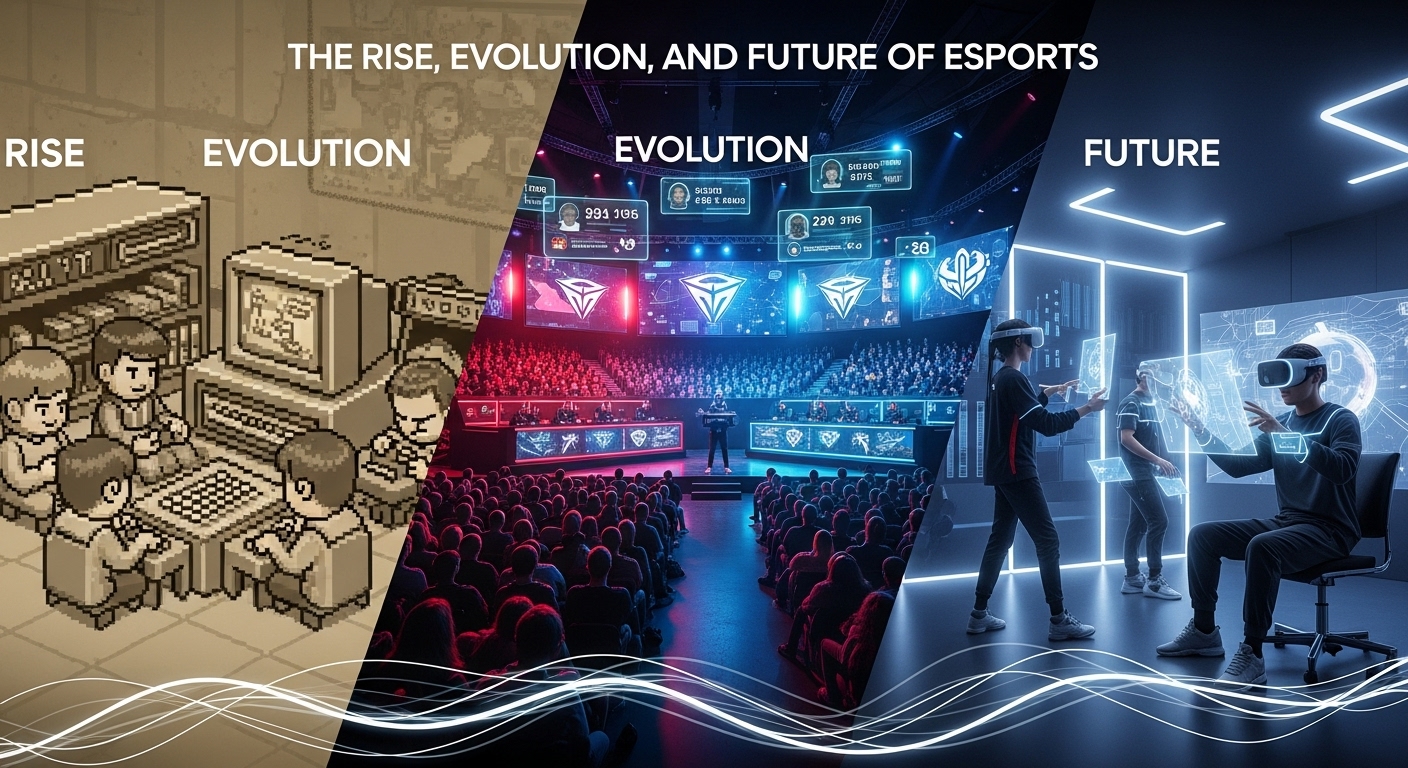
Esports, or electronic sports, has rapidly evolved from a niche hobby into a global phenomenon that captivates millions of players and viewers worldwide. With roots tracing back to the early days of arcade gaming and LAN parties, esports has now become a multi-billion-dollar industry with professional teams, large-scale tournaments, and a growing fanbase rivaling traditional sports. This blog explores the journey of esports, its impact, challenges, and the future of competitive gaming.
The Origins of Esports
The history of esports can be traced back to the late 1970s and early 1980s when arcade games became widely popular. Games such as Space Invaders and Pac-Man sparked competitions among players, with local arcades often hosting tournaments. The first recorded video game competition, held at Stanford University in 1972, was a Spacewar competition, where participants competed for a grand prize of a year’s subscription to a magazine.
The 1990s saw the rise of PC gaming and multiplayer connectivity, giving birth to early esports titles like Quake, StarCraft, and Counter-Strike. These games introduced competitive gameplay, team coordination, and individual skill, laying the foundation for modern esports. LAN parties became a popular way for players to compete locally, while early online servers allowed global competition, connecting players in ways never seen before.
Esports as a Professional Career
What was once a hobby has now become a viable career path. Professional esports players dedicate countless hours to perfecting their skills, studying opponents, and strategizing for competitions. Just like athletes in traditional sports, esports professionals follow strict schedules, engage in physical and mental training, and often work with coaches and analysts.
Esports teams are no longer informal groups of friends; they operate as full-fledged organizations with sponsorships, marketing strategies, and player contracts. Popular teams compete in games such as League of Legends, Dota 2, Fortnite, Call of Duty, and Valorant, attracting millions of fans globally. Top-tier players earn substantial salaries, and prize pools for major tournaments often reach into the millions, highlighting the scale and seriousness of the industry.
Major Esports Tournaments
One of the driving forces behind esports’ popularity is the tournaments. Some events rival major sporting championships in scale and viewership. For instance, The International, the annual Dota 2 championship, offers one of the largest prize pools in esports history, often exceeding thirty million dollars. Similarly, the League of Legends World Championship attracts millions of viewers worldwide, both online and in stadiums.
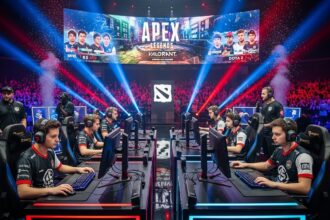
Esports tournaments are not limited to online streaming; they are hosted in massive arenas with live audiences, professional commentators, and high production values. These events blend traditional sports elements with digital entertainment, creating an immersive experience that engages both participants and spectators.
The Role of Streaming Platforms
Streaming platforms have been pivotal in the growth of esports. Platforms like Twitch, YouTube Gaming, and Facebook Gaming provide a direct link between players and audiences, enabling fans to watch live competitions, interact with players, and build communities around games. This accessibility has transformed esports into a global spectacle, allowing viewers from all corners of the world to participate in the excitement.
Streaming also provides a source of income for players and content creators through subscriptions, donations, and sponsorships. Popular streamers often become celebrities in their own right, influencing gaming culture and trends. The symbiotic relationship between esports and streaming has fueled the rapid expansion of the industry, making it more inclusive and engaging than ever before.
Esports and Technology
Technology plays a crucial role in esports, from the hardware players use to the platforms they compete on. High-performance computers, gaming consoles, specialized peripherals, and high-speed internet connections are essential for competitive play. Game developers continuously optimize titles for esports by balancing gameplay, updating mechanics, and creating spectator-friendly features.
Advancements in virtual reality, augmented reality, and cloud gaming are also shaping the future of esports. VR esports competitions are emerging, offering unique gameplay experiences that were unimaginable a decade ago. Cloud gaming, meanwhile, is removing hardware barriers, allowing more players to participate in competitive gaming without expensive equipment.
The Psychological and Physical Demands of Esports
Contrary to popular belief, esports is not just about sitting in front of a screen. Professional players face intense psychological and physical demands. Competitive gaming requires fast reflexes, sharp decision-making, strategic thinking, and teamwork. Players must maintain focus for hours at a time during practice sessions and tournaments.
Physical fitness is also important. Many professional players incorporate exercise, stretching, and proper nutrition into their routines to avoid injuries such as carpal tunnel syndrome or eye strain. Mental health is another critical consideration, as the pressure of competition and public scrutiny can be overwhelming. Top organizations now employ psychologists and wellness coaches to support their players, emphasizing the importance of holistic well-being in esports.
Esports as a Cultural Phenomenon
Esports is more than just competition; it has become a cultural movement. Gaming conventions, fan art, cosplay, and online communities contribute to a rich and diverse culture surrounding esports. Fans engage with their favorite players and teams through social media, creating a sense of connection and shared identity.
The influence of esports extends to mainstream entertainment as well. Music artists, celebrities, and traditional sports figures are increasingly collaborating with esports brands, creating crossover appeal and expanding the audience. In some regions, esports has even entered educational institutions, with schools offering scholarships and programs for aspiring players.
Challenges Facing the Esports Industry
Despite its rapid growth, esports faces several challenges. One major issue is the lack of standardized regulation. Unlike traditional sports, esports lacks a unified governing body, which can lead to disputes over contracts, cheating, or tournament rules.
Another challenge is maintaining player well-being. The competitive nature of esports can lead to burnout, stress, and health issues. Additionally, the industry faces scrutiny over inclusivity and diversity, as women and minority players often encounter barriers to entry and recognition. Addressing these challenges is essential for sustainable growth and credibility.
The Economic Impact of Esports
Esports has become a major economic force, creating opportunities for players, organizations, sponsors, and even cities hosting tournaments. Sponsorship deals from tech companies, energy drinks, and apparel brands contribute significantly to revenue. Merchandising, ticket sales, and media rights further enhance the economic impact.
Cities around the world are investing in esports infrastructure, such as arenas and training facilities, to attract international events. This has a ripple effect on local economies, boosting tourism, hospitality, and technology sectors. As esports continues to grow, its economic footprint is expected to expand further, rivaling traditional sports industries.
The Future of Esports
The future of esports is filled with potential. Emerging technologies, evolving game genres, and increased accessibility will continue to drive growth. Mobile esports, for instance, is gaining popularity in regions where traditional gaming hardware is less accessible, making competitive gaming more inclusive.
Artificial intelligence and machine learning are also likely to play a role, providing insights into player performance, strategy optimization, and audience engagement. Educational programs and professional development in esports will continue to formalize the industry, offering clear career paths and skill recognition.
Esports and Society
Esports is reshaping societal perceptions of gaming. Once dismissed as a pastime for hobbyists, esports is now recognized as a legitimate form of competition and entertainment. It challenges stereotypes about gamers, highlighting skill, dedication, and teamwork.
Furthermore, esports fosters global connectivity. Players from different countries and cultures can compete and collaborate, promoting mutual understanding and community building. As esports becomes more mainstream, it has the potential to influence education, media, and even policy, demonstrating that digital competition is more than just a game.
Conclusion
Esports has come a long way from its humble beginnings in arcades and LAN parties. Today, it is a thriving global industry that combines entertainment, competition, technology, and culture. With professional players, massive tournaments, and a dedicated fanbase, esports is redefining what it means to be a sport in the 21st century.
While challenges such as regulation, player well-being, and inclusivity remain, the potential for growth is immense. The continued integration of technology, streaming platforms, and global participation ensures that esports will remain at the forefront of digital entertainment for years to come. Whether as a career, a spectator sport, or a cultural movement, esports has proven that the world of gaming is not just a pastime—it is a powerhouse shaping the future of competition and entertainment.