
Introduction
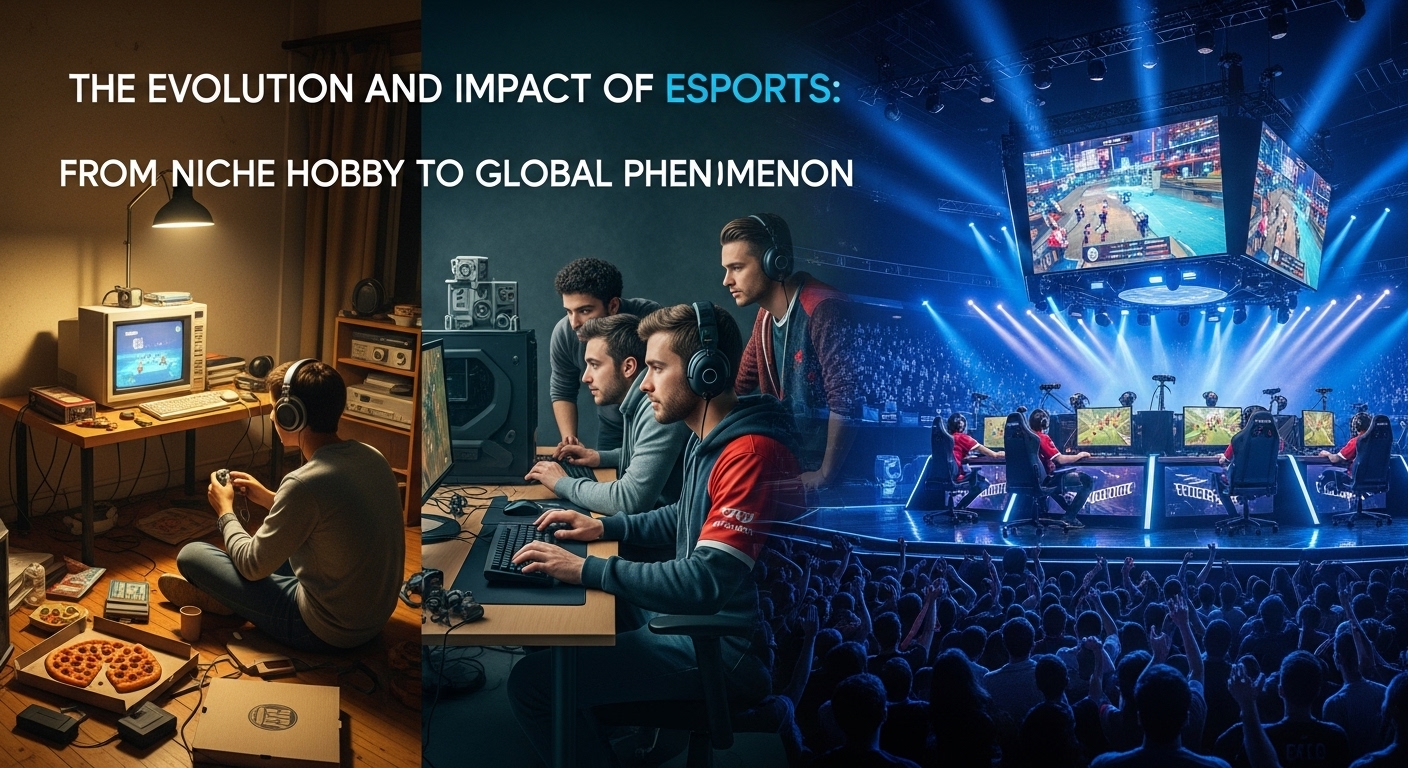
Over the past two decades, esports has transformed from a niche hobby enjoyed by small groups of passionate gamers into a global phenomenon that rivals traditional sports in popularity, scale, and revenue. The term “esports” refers to organized competitive gaming where players, either individually or as part of a team, compete in popular video games before live audiences or online viewers. This world has grown into a multi-billion-dollar industry, complete with professional athletes, coaches, sponsors, commentators, and even universities offering scholarships for aspiring players. Esports is not just entertainment; it represents a cultural, technological, and economic revolution in the digital age.
The Birth and Early Development of Esports
Esports did not appear overnight. Its origins can be traced back to the early days of arcade gaming in the 1970s and 1980s. The first known video game competition was held at Stanford University in 1972, where players competed in the game Spacewar!. The winner received a one-year subscription to Rolling Stone magazine, a modest but symbolic reward that marked the beginning of organized gaming competitions.
As technology advanced, the 1980s brought games like Pac-Man, Donkey Kong, and Space Invaders, which became cultural icons. In 1980, Atari hosted the Space Invaders Championship, which drew over ten thousand participants across the United States, a groundbreaking event that demonstrated the growing popularity of video game competitions. However, it was not until the advent of the internet and online multiplayer gaming in the 1990s that esports began to take the form we recognize today.
The Rise of Competitive Online Gaming
The 1990s saw the birth of competitive multiplayer games that allowed players from different locations to face off against each other. Titles such as Doom, Quake, and StarCraft became early cornerstones of online competition. The ability to connect through local area networks (LANs) or online servers created a sense of community among gamers and fueled the development of professional gaming tournaments.
During this period, South Korea became a central hub for esports. The government and technology companies invested heavily in broadband internet, leading to the rise of “PC bangs,” or gaming cafés, where players could compete and socialize. Games like StarCraft became national obsessions, and professional players achieved celebrity status. Television channels began broadcasting matches, complete with commentary and analysis, setting a precedent for how esports would later be consumed worldwide.
Esports Goes Global
By the 2000s, esports had begun to attract global attention. Games like Counter-Strike, Warcraft III, and Dota brought international communities together. The development of streaming platforms such as Twitch and YouTube Gaming in the 2010s further accelerated the industry’s growth by allowing millions of fans to watch tournaments live from anywhere in the world.
Major tournaments such as The International (for Dota 2), the League of Legends World Championship, and the Fortnite World Cup drew massive audiences and offered multi-million-dollar prize pools. Esports organizations, much like traditional sports teams, began to form structured leagues, complete with sponsorships, merchandise, and branding deals. Companies such as Intel, Red Bull, and Coca-Cola became major sponsors, recognizing esports’ potential to reach younger, tech-savvy audiences.
Popular Esports Titles and Their Communities
Esports encompasses a wide variety of game genres, each with its own fanbase and competitive structure. Some of the most influential titles include:
League of Legends – A multiplayer online battle arena (MOBA) game developed by Riot Games, League of Legends is one of the most-watched esports titles globally. It combines strategy, teamwork, and fast-paced action, attracting millions of viewers to its annual World Championship.
Counter-Strike: Global Offensive (CS:GO) – A tactical first-person shooter that has maintained a dedicated fanbase for over two decades, CS:GO is known for its intense matches and skilled gameplay. Teams from around the world compete in leagues and tournaments, showcasing exceptional reflexes and strategy.
Dota 2 – Another MOBA giant, Dota 2 is famous for its complexity and high skill ceiling. Its premier tournament, The International, offers some of the largest prize pools in esports history, often exceeding forty million dollars.
Fortnite – Combining the battle royale genre with creative building mechanics, Fortnite became a cultural phenomenon, particularly among younger audiences. Its esports scene includes massive global events and celebrity collaborations.
Valorant – A newer entry developed by Riot Games, Valorant blends elements of tactical shooting and hero-based gameplay, quickly becoming one of the most competitive esports titles since its release.
Each of these games has developed unique communities, complete with professional leagues, fan cultures, and dedicated content creators who contribute to the broader esports ecosystem.
The Role of Streaming and Digital Media
Streaming platforms have been instrumental in the growth of esports. Before the rise of Twitch and YouTube Gaming, competitive matches were primarily watched live at physical venues or through limited broadcasts. Now, millions of viewers tune in daily to watch live matches, replays, and highlight videos.
Streaming also gave rise to new forms of celebrity within gaming. Professional players, streamers, and content creators built massive followings, often blurring the line between entertainment and competition. This new breed of digital personality has not only promoted games but also turned esports into a lifestyle and cultural movement.
Social media platforms like Twitter, Instagram, and TikTok further amplified this effect, allowing players to interact directly with fans, share insights, and build personal brands. Esports organizations have capitalized on this by creating multimedia content that keeps fans engaged even outside of tournaments.
Esports as a Career Path
In the past, gaming was often dismissed as a pastime with little real-world value. Today, esports offers a variety of legitimate career opportunities beyond just playing competitively. Players can become coaches, analysts, commentators, event organizers, or even game developers. Universities around the world have recognized the potential of esports and now offer degree programs and scholarships in fields like game design, broadcasting, and esports management.
Professional players can earn substantial incomes through tournament winnings, sponsorships, and streaming revenue. However, just like traditional athletes, esports professionals must train rigorously, maintain discipline, and manage their mental and physical health to stay competitive. The average career span of a professional player is relatively short, leading many to transition into coaching, content creation, or management roles after retirement.
The Business of Esports
Esports is no longer just a pastime; it is a thriving global industry. The market is driven by multiple revenue streams, including media rights, sponsorships, advertising, ticket sales, and merchandise. Major brands now invest heavily in esports because of its ability to reach the coveted young adult demographic.
Esports teams function similarly to traditional sports franchises, complete with management structures, marketing departments, and brand partnerships. Cities around the world have begun building dedicated esports arenas and hosting large-scale tournaments that attract tourism and boost local economies.
Furthermore, investors have recognized the potential of esports as part of the broader digital entertainment ecosystem. Major sports franchises have invested in esports teams, blurring the line between digital and physical sports. For example, football clubs and basketball teams often sponsor or own esports divisions, using them as a bridge to connect with younger fans.
Technology’s Impact on Esports Growth
Technological innovation has been the backbone of esports development. High-speed internet, advanced graphics, and improved gaming hardware have all contributed to a smoother and more immersive experience for both players and viewers. The rise of cloud gaming, virtual reality, and artificial intelligence promises to push the boundaries even further.
Esports broadcasts have also benefited from technological advancements. Real-time analytics, spectator tools, and augmented reality overlays enhance the viewing experience, making it easier for fans to understand complex gameplay and strategies. These tools have transformed esports into a truly interactive form of entertainment.
Cultural Influence and Mainstream Acceptance
Esports has evolved beyond gaming culture to become a part of mainstream entertainment. Music artists perform at tournaments, fashion brands collaborate with teams, and documentaries explore the personal stories of players. This crossover between digital and popular culture has helped esports gain legitimacy and recognition worldwide.
Younger generations view esports not just as entertainment but as a cultural identity. Gaming events attract diverse audiences, breaking down barriers across countries and languages. The competitive spirit, teamwork, and innovation within esports mirror traditional sports values, which has helped skeptics appreciate its significance.
Challenges Facing Esports
Despite its success, esports faces several challenges. One of the biggest is maintaining player well-being. The demanding schedules, high-pressure environments, and constant online presence can lead to burnout and mental health issues. Organizations are increasingly investing in player support systems, including sports psychologists and wellness programs, to address these concerns.
Another issue is regulation. Because esports is a global industry with different rules and governing bodies across countries, ensuring fair play and standardized competition can be difficult. Issues such as cheating, match-fixing, and doping have occasionally surfaced, threatening the integrity of the sport.
Additionally, the sustainability of the esports business model has come into question. While viewership continues to rise, profitability can vary widely between organizations. Some teams rely heavily on sponsorships, and smaller tournaments struggle to generate consistent revenue. Finding balance between growth and stability remains a key challenge for the industry’s long-term success.
The Educational and Social Value of Esports
Beyond competition, esports provides educational and social benefits. Playing and organizing esports events encourage teamwork, strategic thinking, communication, and problem-solving skills. Many schools and universities are now incorporating esports into their extracurricular programs to help students develop these valuable abilities.
Esports also offers an inclusive space where individuals from diverse backgrounds can connect and collaborate. It breaks down geographical and cultural boundaries, fostering global communities that share a passion for gaming and competition. The accessibility of esports—where all that’s needed is an internet connection and a computer or console—makes it one of the most democratic forms of modern entertainment.
The Future of Esports
Looking ahead, the future of esports appears brighter than ever. As technology continues to evolve, new gaming experiences will emerge, blending virtual reality, augmented reality, and artificial intelligence into competitive play. The integration of blockchain and digital collectibles may reshape how fans interact with teams and tournaments, offering new ways to support their favorite players.
Esports will also likely continue merging with traditional sports, entertainment, and education. More schools will establish esports programs, and more governments will recognize it as an official sport. The potential inclusion of esports in major international sporting events like the Olympics demonstrates just how far the industry has come.
Ultimately, esports represents the spirit of innovation that defines the modern digital age. It captures the creativity, skill, and determination of millions around the world who transform virtual experiences into real-world achievements.
Conclusion
Esports has evolved from humble beginnings in college dorms and arcades to a global powerhouse that influences technology, culture, and business. It has proven that competition, when combined with creativity and technology, can create new forms of human connection and achievement. While challenges remain, the growth of esports shows no sign of slowing down. Its future lies not just in bigger tournaments or larger audiences, but in its ability to unite people across the world under a shared passion for play, performance, and progress.
Esports is not merely a passing trend—it is the digital sport of a new generation, shaping how we define competition and community in the twenty-first century.