
Introduction: Gaming Transcends Entertainment
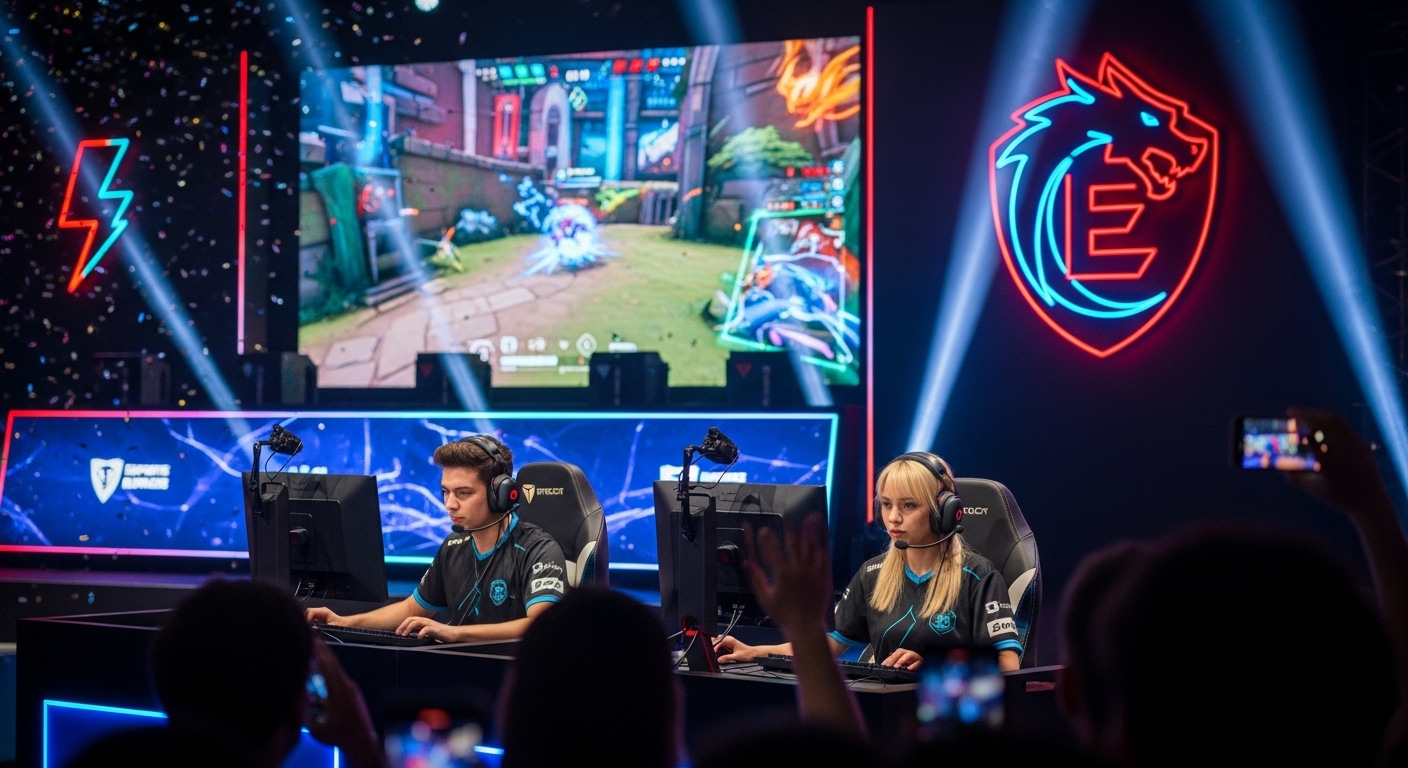
Esports, short for electronic sports, has grown from a casual hobby into a global phenomenon. What began as a pastime for enthusiasts has evolved into a professional, competitive arena where players showcase their skill, strategy, and teamwork. Today, esports is not just about playing games—it is about entertainment, career opportunities, and community engagement on a massive scale.
The Rapid Growth of Esports
Over the last decade, esports has experienced unprecedented growth. Global tournaments now offer multi-million-dollar prize pools, attracting elite players and teams. Titles like League of Legends, Dota 2, Counter-Strike, and Valorant have cultivated massive fan bases, professional leagues, and sponsorship opportunities. The industry’s expansion highlights how esports has become a legitimate, lucrative, and widely recognized form of competition.
Streaming and Audience Engagement
Live streaming has been a major driver of esports’ popularity. Players can broadcast their gameplay in real time, interact with fans, and create personal brands. Audiences are no longer just viewers—they actively participate in discussions, support their favorite players, and become part of a vibrant online community. This social aspect has transformed esports into a dynamic cultural phenomenon.
Training and Professionalism in Esports
Professional esports players treat their craft with the dedication of traditional athletes. Rigorous practice schedules, strategic planning, and mental conditioning are standard. Success requires more than reflexes—it demands teamwork, communication, adaptability, and decision-making under pressure. This level of professionalism has helped esports earn respect in the wider sports and entertainment industries.
Global Reach and Inclusivity
Esports transcends borders and unites players from around the world. International tournaments foster global competition while creating a sense of community. Unlike many traditional sports, esports is accessible to people of all ages, genders, and physical abilities. This inclusivity has played a crucial role in the industry’s rapid growth and widespread appeal.
Challenges Facing the Industry
Despite its success, esports faces challenges that must be addressed for long-term sustainability. Mental health concerns, burnout, and stress affect many professional players. Additionally, cheating, inconsistent rules, and lack of regulation remain ongoing issues. Addressing these challenges is essential to ensure that esports continues to grow responsibly and fairly.
The Future of Esports
The future of esports is bright and full of innovation. Emerging technologies like virtual reality, mobile gaming, and artificial intelligence will transform the competitive landscape. Esports is increasingly recognized by educational institutions and mainstream media, offering scholarships and career opportunities. As the industry evolves, it will continue to redefine competition and entertainment worldwide.
Conclusion: Esports as a Cultural Force
Esports has evolved into a cultural and professional phenomenon, combining skill, strategy, and community engagement. It is more than a game—it is a global movement that reshapes how we experience competition and entertainment. As esports continues to grow, it will remain at the forefront of digital innovation, inspiring players and fans alike.