
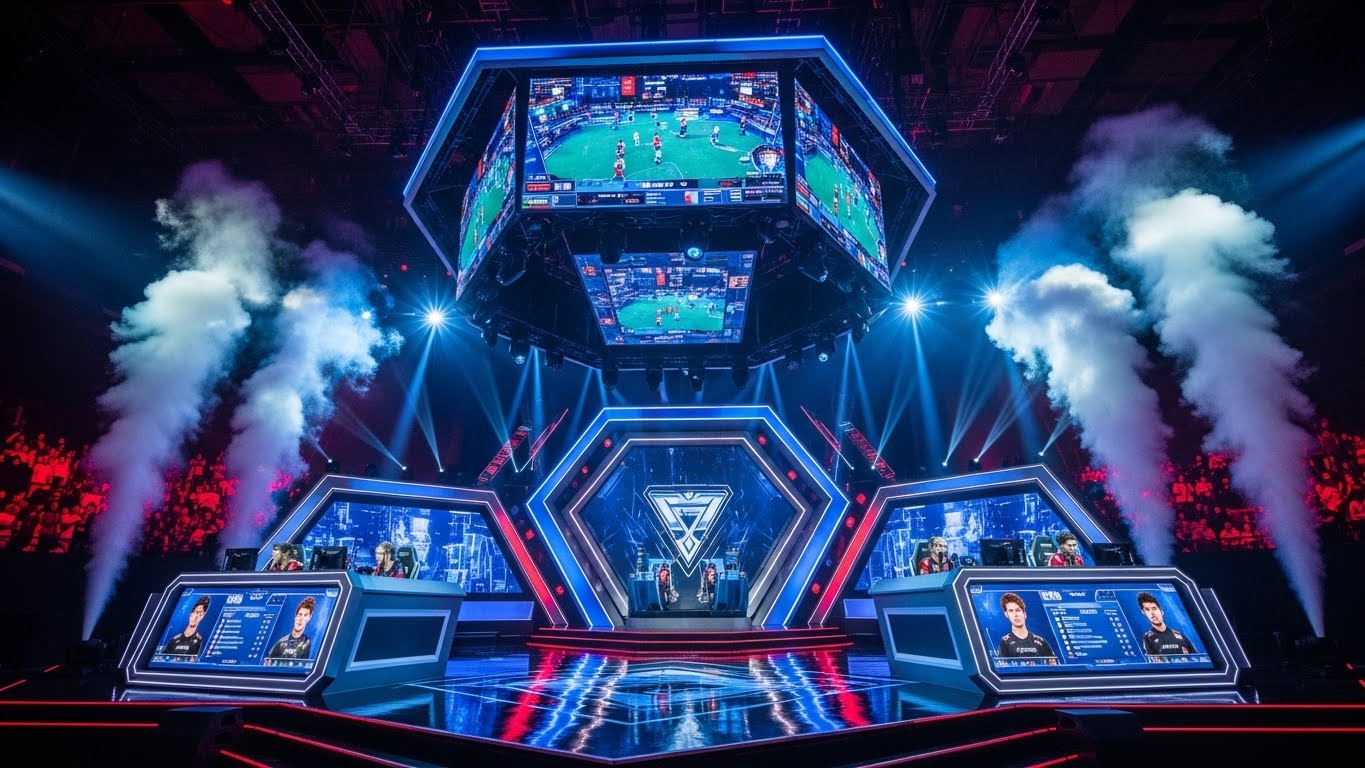
Esports, once a niche subculture, has grown into a global phenomenon that captivates millions of fans, players, and investors worldwide. From casual gamers to professional athletes, esports has become an industry that offers everything from entertainment to career opportunities. What started as a hobby for many has now evolved into a multi-billion-dollar industry with an ecosystem of professional leagues, streaming platforms, sponsorships, and a vibrant fan base. In this blog post, we’ll explore the rise of esports, the factors contributing to its success, its impact on the gaming world, and its future trajectory.
The Emergence of Esports: From Arcade Competitions to Global Tournaments
Esports, or electronic sports, refers to competitive video gaming where individuals or teams play against one another in organized events. These competitions have existed since the early days of gaming, but it wasn’t until the late 1990s and early 2000s that esports began to gain traction. The first notable competitive gaming events were modest, localized tournaments with small audiences. However, the rise of the internet and the growth of online multiplayer games significantly accelerated the development of esports.
In the early days, games like StarCraft, Quake, and Warcraft were among the pioneers in the competitive gaming scene. As these games gained popularity, tournaments and competitions began to take shape. The emergence of online platforms like Battle.net and LAN (Local Area Network) parties helped propel competitive gaming into the mainstream, offering a space for players to face off against one another, even from different parts of the world.
By the mid-2000s, esports was beginning to take on a more professional structure. Games like Counter-Strike, League of Legends, and Dota 2 began to dominate the competitive scene, and large-scale tournaments such as the World Cyber Games and ESL (Electronic Sports League) began to attract global attention. These early esports events laid the foundation for the thriving esports ecosystem we see today.
Why Esports is Booming: Key Factors Driving Its Growth
The rapid growth of esports can be attributed to several key factors, including advancements in technology, the rise of streaming platforms, and the increasing legitimacy of competitive gaming as a career.
1. The Rise of Streaming Platforms
The development of streaming platforms like Twitch, YouTube Gaming, and Facebook Gaming has played a pivotal role in the growth of esports. These platforms allow players to broadcast their gameplay in real-time to a global audience, making it easier for fans to follow their favorite players and teams. Streamers can interact with their audience in real-time, adding an element of community and engagement that traditional sports may not offer.
Twitch, in particular, has become synonymous with esports streaming. It provides a platform for players to showcase their skills, for tournament organizers to broadcast competitions, and for fans to discuss strategies, share highlights, and celebrate victories. This form of digital entertainment has created a direct connection between players and fans, driving esports’ popularity.
2. Technological Advancements
Advances in technology have not only improved the quality of games but have also made it easier for competitive gaming to flourish. High-speed internet and powerful gaming hardware allow players to compete in real-time without worrying about lag or performance issues. Modern game engines provide more immersive, visually stunning experiences, making games like Overwatch, Fortnite, and Valorant both engaging and spectator-friendly.
Additionally, advancements in virtual reality (VR) and augmented reality (AR) hold the potential to further revolutionize the way esports is experienced. While these technologies are still in their infancy in terms of competitive gaming, they present a glimpse of the future of esports, where fans could experience matches from the players’ perspective or interact with the game world in new ways.
3. The Legitimization of Esports as a Career
Over the past decade, esports has evolved from being a hobby to a legitimate career path. Professional esports players now earn salaries, sponsorships, and prize money that can rival traditional sports athletes. Teams have professional coaches, analysts, and support staff to help optimize performance, just like in conventional sports.
In addition, universities and academic institutions are starting to recognize the competitive gaming scene, offering scholarships to promising esports athletes and even providing esports programs and arenas. These developments are helping to shape the next generation of esports talent and professional players.
4. Increased Investment and Sponsorship
With the growing popularity of esports, big-name brands from industries such as technology, telecommunications, sports, and even non-endemic brands (like Coca-Cola or Mercedes-Benz) have jumped on board as sponsors. These sponsorships contribute to the professionalization of esports, offering financial backing to teams, events, and individual players.
Large investors are also eyeing the esports industry. Media companies, venture capitalists, and even traditional sports organizations are putting money into esports. In fact, major sports leagues like the NBA, NFL, and European football clubs have established their own esports teams, signaling the industry’s mainstream acceptance.
The Structure of the Esports Industry: Teams, Leagues, and Tournaments
Esports is an ecosystem with many moving parts. At its core, there are players, teams, tournaments, and sponsors, all working together to create a dynamic and competitive environment. Let’s break down the main components of the esports ecosystem.
1. Professional Esports Teams
Professional esports teams are composed of players who specialize in specific games and work together to compete in tournaments. These teams are similar to traditional sports teams in terms of structure, with players often signing contracts, receiving salaries, and participating in practice sessions. Esports teams are often sponsored by major brands, which can include gaming hardware companies, energy drinks, and lifestyle brands.
Some of the most well-known esports organizations, like Team Liquid, Cloud9, and Fnatic, have expanded beyond their original games to field teams in a variety of esports titles. These organizations not only compete in tournaments but also develop content for their fans, engage in merchandise sales, and build strong community followings.
2. Esports Leagues and Tournaments
Esports tournaments are where the best players and teams from around the world compete for massive cash prizes and global recognition. These events are typically held online, in arenas, or in large convention halls, and they attract large audiences both in person and via live streaming.
Major tournaments like The International (for Dota 2), League of Legends World Championship, and CS:GO Major Championships offer multi-million-dollar prize pools, drawing top-tier players and organizations. These competitions can have millions of viewers, with finals attracting more viewers than major sports events.
Esports leagues operate similarly to traditional sports leagues, with a regular season, playoffs, and finals. For example, the Overwatch League and Call of Duty League have regular seasons with teams competing against one another throughout the year, culminating in championship events.
3. Sponsorship and Streaming
Esports has become a valuable marketing platform for brands seeking to engage with young, tech-savvy audiences. Companies that produce gaming hardware (e.g., Alienware, Razer), software (e.g., Twitch, Discord), and accessories (e.g., Logitech, Corsair) are heavily involved in sponsoring esports events, tournaments, and players.
Streaming platforms also play a critical role in the growth of esports. Beyond watching live competitions, platforms like Twitch offer a space for viewers to watch casual gameplay, interact with streamers, and participate in online communities. This form of content consumption has become a cornerstone of the esports ecosystem.
The Global Impact of Esports: A Worldwide Phenomenon
Esports isn’t confined to just one region or culture; it’s a global phenomenon that transcends borders and languages. Players and fans from all corners of the world come together to compete and celebrate their love for gaming.
1. Esports as a Cultural Movement
In many ways, esports has become a cultural movement. It has brought together diverse communities and fostered a sense of belonging and camaraderie. Fans not only watch their favorite teams compete but also engage with one another through social media, fan clubs, and online forums. Esports events have become global celebrations, drawing crowds of thousands and millions of viewers online.
2. Economic Impact
The economic impact of esports is undeniable. According to various market analyses, the global esports industry is expected to surpass several billion dollars in the coming years. This growth comes from not just tournament prizes but also ticket sales, merchandise, sponsorships, and advertising revenues. In regions like South Korea and China, esports has even been recognized as a legitimate sport, with dedicated esports arenas, government support, and national teams.
3. The Future of Esports
Looking ahead, esports will continue to grow and evolve. One potential direction is the inclusion of esports in major international events such as the Olympics. In fact, there have been discussions about esports becoming an official Olympic sport in the future, though challenges remain around standardizing rules and ensuring fair competition.
The technological advancements in virtual and augmented reality also present new opportunities for esports to provide even more immersive and interactive experiences. As technology evolves, esports may shift from traditional video games to more innovative experiences, where players and viewers can fully immerse themselves in a virtual arena.
Conclusion: The Future of Esports
Esports has come a long way from its humble beginnings as a niche hobby to becoming a global powerhouse in the entertainment industry. It is more than just a trend or a passing fad—it is a cultural and economic force that continues to shape the way we think about gaming, competition, and entertainment.
As the industry grows, esports will undoubtedly continue to push boundaries, offering new opportunities for players, teams, and fans alike. Whether you’re a casual gamer, an aspiring esports professional, or simply a fan of the action, one thing is clear: esports is here to stay, and its future is brighter than ever.