
Introduction
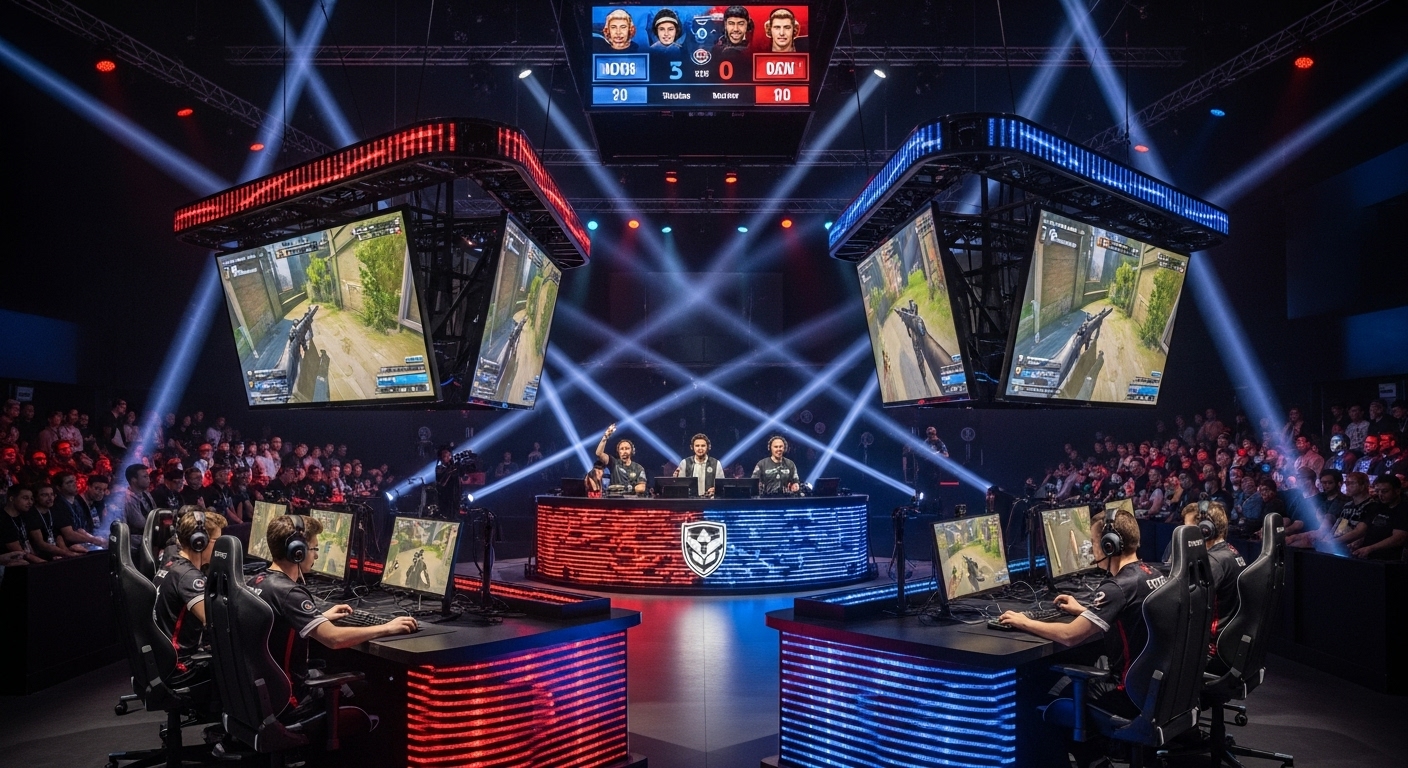
In today’s modern world, esports has emerged as one of the most exciting and rapidly growing forms of entertainment. It has transformed video gaming from a casual hobby into a professional career for many. With millions of fans around the globe, esports has proven that competition is no longer limited to physical fields or stadiums. It represents the digital evolution of sports where skill, strategy, and teamwork define victory.
The Birth of Esports
The concept of esports began in the early days of video gaming. The first known gaming competition took place in the 1970s with simple arcade games. As technology advanced, multiplayer gaming became more accessible, allowing players to connect and compete online. By the 2000s, games like StarCraft, Counter-Strike, and Warcraft gave rise to organized tournaments and professional teams. What started as small local events grew into massive international championships.
The Growth of Professional Gaming
The growth of esports has been fueled by the dedication of players, organizers, and fans. Professional players train for hours each day, mastering gameplay, improving teamwork, and developing strategies. Esports teams now operate with coaches, analysts, and even nutritionists, treating gaming like any other professional sport. Tournaments are held in large arenas, and millions of viewers tune in online to watch their favorite teams compete for huge prize pools.
The Role of Technology in Esports
Technology is the backbone of esports. High-speed internet, powerful gaming systems, and live-streaming platforms have made it possible for fans to experience matches in real time from anywhere in the world. The development of cloud gaming, artificial intelligence, and virtual reality promises to make esports even more dynamic and immersive in the coming years. As technology evolves, so too will the level of competition and entertainment in esports.
The Economic and Cultural Impact
Esports has become a billion-dollar industry that rivals traditional sports in viewership and sponsorship. Major companies invest heavily in tournaments, teams, and players. This growth has created numerous career opportunities, from professional gamers to event managers, commentators, and game developers. Culturally, esports has also changed the perception of gaming, showing that it requires talent, discipline, and strategy—just like any physical sport.
Education and Esports
Many educational institutions around the world are now recognizing the importance of esports. Universities offer scholarships to skilled gamers and courses in game design, event management, and broadcasting. Esports clubs and programs encourage teamwork, communication, and leadership skills among students. This recognition proves that esports is not only entertainment but also a tool for education and personal growth.
The Future of Esports
The future of esports is filled with potential. With increasing popularity, global tournaments, and technological innovations, the industry is set to grow even larger. As virtual and augmented reality become more advanced, players and fans will experience gaming in entirely new ways. Esports is shaping the future of competition, creativity, and digital entertainment.
Conclusion
Esports represents the perfect blend of technology, talent, and teamwork. It has redefined what it means to be an athlete in the digital age and opened up new horizons for both players and spectators. From local tournaments to global championships, esports continues to unite millions of people through their shared passion for gaming. The rise of esports marks not just the future of competition but also the beginning of a new era in global sports culture.