
Introduction: The Digital Arena
Esports, or electronic sports, has emerged as one of the most influential forces in entertainment today. What once was considered a hobby for a few tech enthusiasts has transformed into a global industry captivating millions. Unlike traditional sports, esports thrives entirely in the digital space, where competitive gaming, streaming platforms, and online tournaments create an ecosystem that attracts fans from every corner of the world.
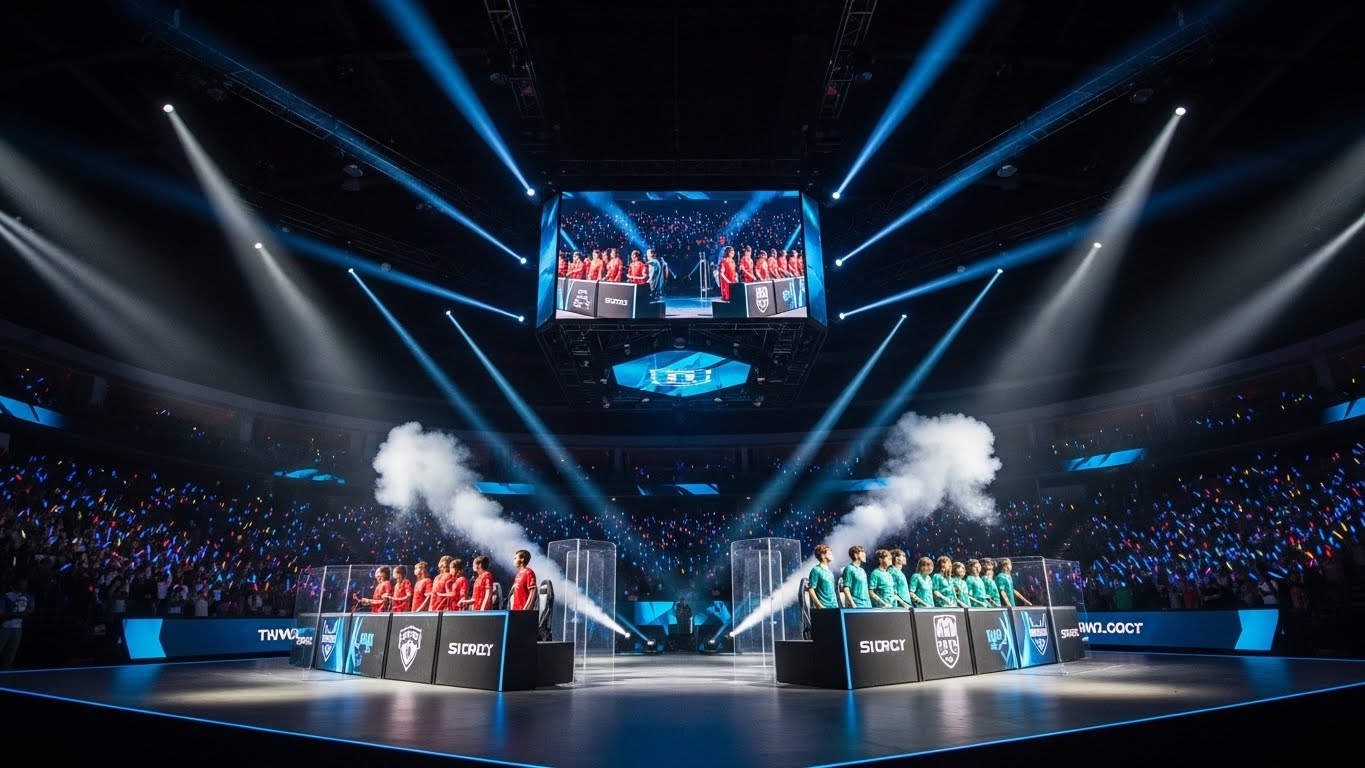
The evolution of esports is remarkable. From local competitions to international tournaments filling stadiums, esports combines skill, strategy, and cutting-edge technology. It challenges the traditional ideas of sports and entertainment, offering a platform where players can achieve professional recognition and fans can experience excitement and community in entirely new ways.
The Origins of Esports
The roots of competitive gaming trace back to the late 1970s and early 1980s. The Space Invaders Championship of 1980 is widely recognized as one of the first major gaming competitions. Thousands of players participated in this event, setting the stage for organized competitive gaming. As personal computers and gaming consoles became more common, multiplayer games such as Doom, Quake, and StarCraft in the 1990s laid the foundation for esports as we know it today.
Internet connectivity revolutionized competitive gaming, allowing players from different regions to compete against each other. Early online tournaments began to form communities around these games, and by the early 2000s, professional esports organizations, sponsorships, and structured competitions became a reality. These developments marked the beginning of a global esports movement.
The Rapid Growth of Esports
The last decade has witnessed an unprecedented expansion of the esports industry. With billions of dollars in revenue generated annually, esports is no longer a niche market. Prize pools, sponsorships, media rights, merchandise, and streaming revenue have turned competitive gaming into a profitable enterprise. Platforms like Twitch and YouTube Gaming have played a pivotal role by making esports accessible to millions of viewers worldwide.
Professional leagues such as the League of Legends Championship Series, Dota 2’s The International, and the Call of Duty League have grown into major events. These tournaments attract global audiences, with prize pools that rival those of traditional sports. Esports organizations now operate similarly to professional sports franchises, complete with coaching staff, analysts, and player development programs.
Popular Games and Competitive Structure
Esports encompasses a variety of game genres, each with its own competitive ecosystem. Multiplayer online battle arenas, first-person shooters, real-time strategy games, and sports simulation titles dominate the competitive landscape. Titles like League of Legends, Dota 2, Counter-Strike: Global Offensive, Fortnite, and Valorant have cultivated dedicated player bases and fan followings.
Competitive structures vary by game but generally include amateur circuits, qualifiers, and professional leagues. Players advance from local competitions to regional, national, and international tournaments. Unlike traditional sports, esports allows direct interaction between players and fans through live streams, social media, and online communities, fostering a unique sense of engagement and loyalty.
Technology as the Backbone of Esports
Technology drives every aspect of esports. High-speed internet, advanced gaming hardware, and powerful streaming platforms enable global competitions. Professional players rely on high-precision peripherals, including gaming mice, mechanical keyboards, and ultra-fast monitors, to maintain peak performance.
Data analytics and artificial intelligence play an increasingly important role in professional gaming. Teams analyze player statistics, strategies, and performance trends to gain a competitive edge. Emerging technologies such as virtual reality and augmented reality are also beginning to reshape esports, offering immersive experiences for both players and spectators. The continuous evolution of technology ensures that esports remains dynamic, engaging, and innovative.
Economic Impact and Career Opportunities
Esports is more than just entertainment; it is a thriving economic ecosystem. The industry creates jobs in game development, content creation, marketing, broadcasting, and event management. Professional players earn salaries, prize money, and sponsorship deals, while streamers and content creators monetize their audiences through advertisements, subscriptions, and merchandise.
Sponsorship from major global brands has fueled esports’ growth. Companies from diverse sectors, including technology, consumer goods, and even traditional sports, invest in esports events and teams. Universities worldwide now offer esports scholarships, recognizing competitive gaming as a legitimate career path. The professionalization of esports is creating opportunities that extend far beyond playing the game itself.
Cultural Influence and Community Engagement
Esports has cultivated a unique cultural identity that blends gaming, entertainment, and social interaction. Online communities connect millions of enthusiasts who share strategies, stories, and experiences. Fans engage with players and teams through live streams, social media, and forums, creating a global network of passionate supporters.
The influence of esports extends into mainstream culture. Professional athletes, celebrities, and influencers increasingly participate in esports, either as investors, competitors, or advocates. Major tournaments are now broadcast on television and covered by mainstream media, bridging the gap between digital and traditional entertainment. Esports culture celebrates creativity, skill, and camaraderie, fostering a sense of belonging among fans worldwide.
Challenges Facing the Esports Industry
Despite its rapid rise, esports faces several significant challenges. The intense competitive environment can lead to physical and mental health concerns for players, including stress, burnout, and repetitive strain injuries. Ensuring fair play and preventing cheating remains an ongoing challenge, particularly in online competitions.
The lack of standardized regulations and labor protections can result in disputes over contracts, salaries, and player rights. Gender diversity and inclusivity also remain areas requiring attention, as women and underrepresented groups often face barriers to participation and recognition. Addressing these challenges is crucial for sustainable growth and the long-term credibility of esports.
The Future of Esports
The future of esports is promising, with continued growth expected in audience size, revenue, and technological advancement. Cloud gaming, virtual reality, and 5G connectivity will make esports more accessible and immersive than ever before. International tournaments are likely to increase in scale, drawing larger audiences and offering even more lucrative prize pools.
Collaboration between traditional sports and esports is another emerging trend. Sports franchises are investing in esports teams, and cross-promotional events are gaining popularity. As esports continues to gain recognition from governing bodies and mainstream institutions, it may rival conventional sports in cultural influence and economic significance.
Education and professional development will play a critical role in the future of esports. Training programs, academies, and university courses are helping aspiring players, analysts, and industry professionals develop the skills necessary to succeed in a competitive landscape. These initiatives ensure that esports continues to grow as a respected and sustainable profession.
Conclusion: Esports as a Global Phenomenon
Esports has evolved from a niche pastime into a global movement, redefining entertainment, competition, and culture. It combines strategy, skill, technology, and community to create a unique form of engagement that resonates with millions of people worldwide. From local gaming competitions to international tournaments, esports has established itself as a serious industry with cultural, economic, and social significance.
As technology continues to advance and societal perceptions evolve, esports will play an increasingly prominent role in shaping the future of global entertainment. It offers diverse career opportunities, fosters creativity, and brings people together across borders. The rise of esports represents the power of digital innovation and the enduring appeal of human competition.
Esports is no longer just a game; it is a cultural and economic force that has redefined the concept of competitive entertainment.