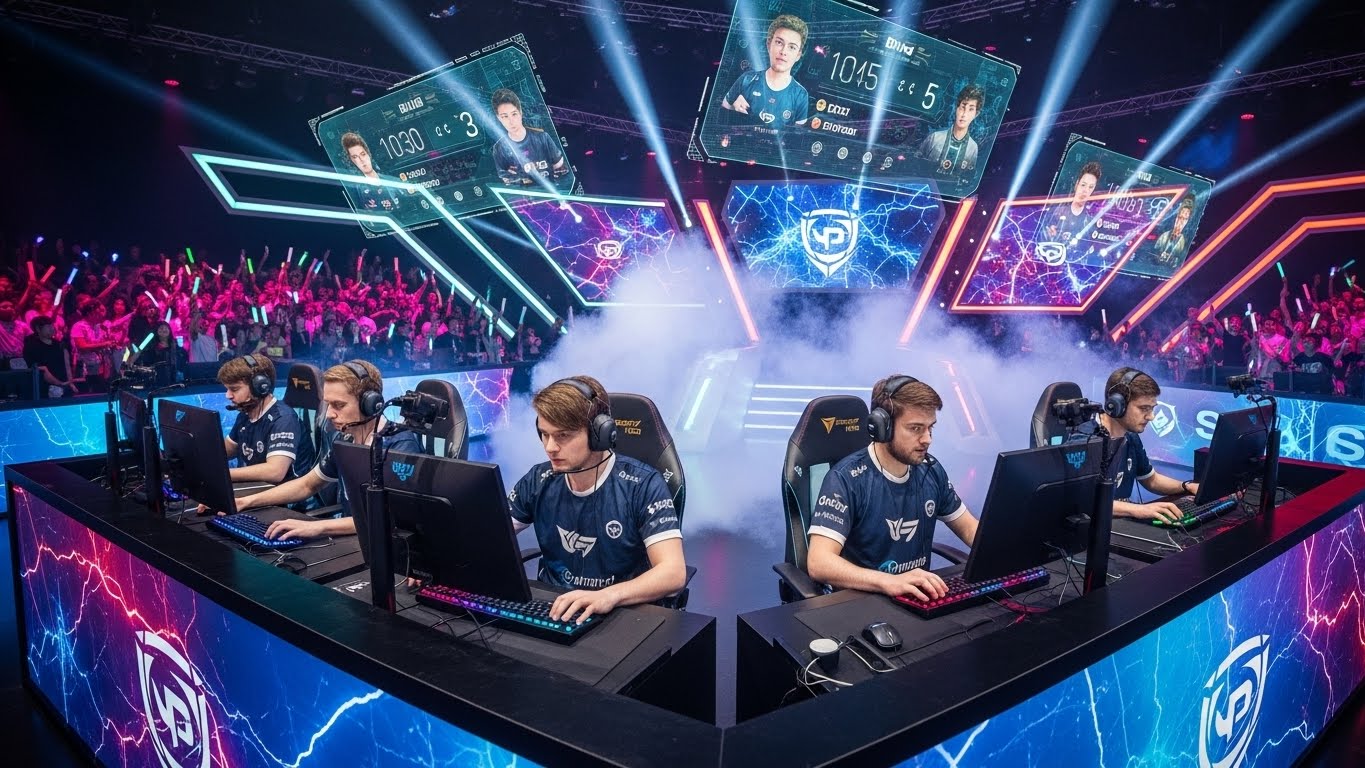
Esports, once considered a niche hobby for dedicated gamers, has evolved into a global phenomenon. What started as casual competitive gaming has transformed into a structured industry with professional teams, international tournaments, and millions of viewers worldwide. Today, esports is not just a form of entertainment—it is a career path, a cultural force, and a driving influence on technology and media. This blog explores the rise of esports, its impact on society, and its promising future.
Understanding Esports
Esports, short for electronic sports, refers to organized, competitive video gaming played at a professional level. Unlike casual gaming, esports requires players to master complex strategies, perfect reflexes, and teamwork. Competitions can be individual or team-based, with games spanning genres such as first-person shooters, multiplayer online battle arenas, strategy games, and sports simulations.
Success in esports depends on a combination of mechanical skill, mental agility, and strategic thinking. Players must quickly analyze opponents’ actions, adapt to changing game dynamics, and execute precise moves under pressure. This level of intensity has elevated esports to the status of a recognized competitive discipline.
The Origins of Competitive Gaming
The roots of esports trace back to the early days of arcade gaming and home consoles. Initially, competitions were informal, with players striving for high scores in local communities. These early contests created a foundation for competitive gaming and helped form tight-knit gaming communities.
The advent of the internet and online multiplayer games marked a turning point. Titles like StarCraft, Counter-Strike, and Quake allowed players to compete globally, paving the way for large-scale tournaments. This connectivity transformed gaming from a hobby into a global competitive activity.
Global Expansion of Esports
Esports has rapidly expanded across the globe, attracting audiences from diverse cultures and backgrounds. Countries such as South Korea, China, and the United States have developed professional leagues, state-sponsored programs, and esports academies to nurture talent.
One major factor contributing to its global appeal is accessibility. Unlike traditional sports, esports does not rely on physical strength or specific body types. Players of all ages and backgrounds can participate, making esports inclusive and culturally diverse. The rise of online streaming platforms has further amplified its reach, connecting fans from every corner of the world.
Life of a Professional Esports Player
Professional esports players dedicate extensive hours to training, strategy development, and teamwork. Their schedules often include practice sessions, review of past matches, physical fitness routines, and mental conditioning. Just like traditional athletes, esports professionals aim to maintain peak performance under high-pressure situations.
Earning potential comes from tournament winnings, team salaries, sponsorships, and content creation. Despite the lucrative rewards, competition is fierce, requiring dedication, resilience, and adaptability. Players must constantly refine their skills to stay ahead in a rapidly evolving environment.
Careers Beyond Playing
The esports industry offers a wide range of career opportunities beyond professional play. Coaching, performance analysis, event management, broadcasting, and content creation are essential roles that support competitive teams and tournaments.
Analysts study gameplay data to identify strategies, while coaches guide teams to optimize performance. Production crews ensure smooth streaming of tournaments, and commentators add excitement for audiences. The diversity of roles demonstrates that esports is a complex ecosystem supporting many professionals.
Technology Driving Esports
Technology forms the backbone of esports. High-performance computers, gaming peripherals, and reliable internet connections are crucial for competitive play. Even minor improvements in hardware or software can impact player performance.
Technology also enhances the spectator experience. Live streams feature multiple camera angles, player statistics, and expert commentary, allowing viewers to engage deeply with competitions. Data analytics provides insights into gameplay strategies, further enhancing the competitive and entertainment value of esports.
Mental and Strategic Demands
Esports challenges both cognitive and strategic abilities. Players must quickly process information, anticipate opponents’ moves, and make split-second decisions. Games often require adaptability as strategies evolve mid-match, demanding constant mental agility.
Team-based games emphasize coordination and communication. Players must synchronize actions, allocate roles efficiently, and support each other in high-pressure situations. The mental discipline required in esports often parallels the strategic thinking seen in traditional sports.
Physical Health and Esports
While esports is primarily digital, physical fitness remains crucial. Extended gaming sessions can lead to fatigue, eye strain, and posture-related issues. Recognizing this, professional teams emphasize physical wellness, proper ergonomics, and balanced nutrition.
Exercise routines improve reaction times, concentration, and overall stamina. Mental health support is also essential, helping players manage stress and maintain focus. The integration of wellness practices highlights the professionalism and long-term sustainability of esports careers.
Community and Social Interaction
Esports has cultivated vibrant global communities. Players and fans connect through online platforms, streaming services, and social media, sharing experiences and strategies. These communities foster mentorship, collaboration, and a sense of belonging.
Live events further strengthen social bonds, bringing fans together to celebrate victories, witness rivalries, and experience the thrill of competition. Esports communities demonstrate the power of digital platforms to foster meaningful human connections.
Esports in Education
Educational institutions have embraced esports to engage students and develop skills. Schools and universities offer esports teams, clubs, and even scholarships, recognizing the discipline and teamwork required in competitive gaming.
Participation in esports cultivates leadership, communication, and strategic thinking. Additionally, students gain exposure to careers in technology, media, and entertainment. Integrating esports into education bridges passion with professional development.
Diversity and Inclusion in Esports
The esports community is becoming increasingly diverse. Players from different genders, ethnicities, and cultural backgrounds are gaining recognition and opportunities. Inclusivity initiatives aim to create welcoming environments where talent is valued over demographic factors.
Diversity enriches the community, fostering creativity and innovation in gameplay, content creation, and team strategies. A broad representation of players ensures the growth and sustainability of esports worldwide.
Entertainment and Spectator Value
Esports is as entertaining as it is competitive. Matches are designed to engage audiences, with narratives, rivalries, and suspenseful moments creating excitement. Expert commentary and real-time analysis add depth to the viewing experience.
Fans often develop emotional connections with teams and players, following seasons, tournaments, and storylines. Interactive features like live chats and audience polls further enhance engagement, making esports a unique form of modern entertainment.
Economic Impact of Esports
Esports has emerged as a significant economic force. Revenue streams include sponsorships, merchandise, advertising, media rights, and live event ticket sales. Major tournaments generate substantial economic activity and provide global exposure to host cities.
The industry also supports technology, media production, and marketing sectors, contributing to job creation and innovation. Esports’ economic influence demonstrates its position as a legitimate and powerful global industry.
The Future of Esports
The future of esports is filled with opportunities and innovation. Emerging technologies such as virtual reality, augmented reality, and AI analytics will transform both competition and spectator experiences. Esports is likely to become further integrated into mainstream entertainment and education.
As society increasingly accepts esports as a legitimate form of competition, it will continue redefining what it means to be an athlete in the digital era. Its cultural, professional, and technological influence will only continue to grow.
Conclusion: Redefining Competition for the Digital Age
Esports represents a new era of competitive entertainment. Combining technology, skill, and global connectivity, it has redefined how society views sports and competition. Beyond gameplay, esports builds communities, creates careers, and inspires millions worldwide.
From casual gamers to professional champions, esports has proven that digital competition carries the same intensity, strategy, and impact as traditional sports. Its rise is more than a trend—it is a revolution in the world of entertainment, culture, and professional competition.