Introduction: The Digital Shift in Competitive Sports
Competition has always been an essential part of human civilization. From ancient athletic contests to modern global tournaments, people have sought ways to test skill, strategy, and endurance. In recent years, a new form of competition has emerged that reflects the digital age we live in. Esports, or electronic sports, has transformed video gaming into a professional, organized, and widely respected competitive field. What once existed as casual entertainment has evolved into a global industry with millions of fans, professional athletes, and international recognition.
Defining Esports in the Modern World
Esports refers to competitive video gaming where individuals or teams compete under organized rules in structured tournaments and leagues. These competitions are played at amateur, semi-professional, and professional levels, often with coaches, analysts, and support staff. Unlike casual gaming, esports demands exceptional skill, fast decision-making, teamwork, and consistency. Players must master game mechanics, understand complex strategies, and perform under intense pressure, making esports a true test of mental and technical ability.
Early Beginnings of Competitive Gaming
The roots of esports trace back to small-scale gaming competitions held in arcades and community spaces. These early events were informal and driven by passion rather than financial reward. As gaming consoles and personal computers became more common, competitive gaming gained momentum. Online multiplayer games allowed players to compete beyond local boundaries, setting the stage for organized tournaments. Over time, sponsors, developers, and audiences began to recognize the potential of competitive gaming as a legitimate form of entertainment.
The Influence of Technology on Esports Growth
Technology has been the driving force behind the rise of esports. High-speed internet enables seamless online competition, while advanced gaming hardware ensures smooth and responsive gameplay. Streaming technology allows tournaments to be broadcast live to global audiences, making esports accessible to millions. Viewers can watch matches in real time, engage with commentators, and follow their favorite teams. Without these technological advancements, esports would not have been able to grow at such an extraordinary pace.
Esports as a Global Entertainment Industry
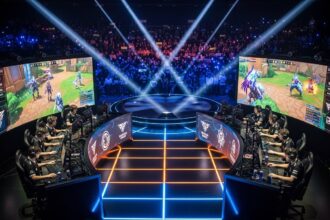
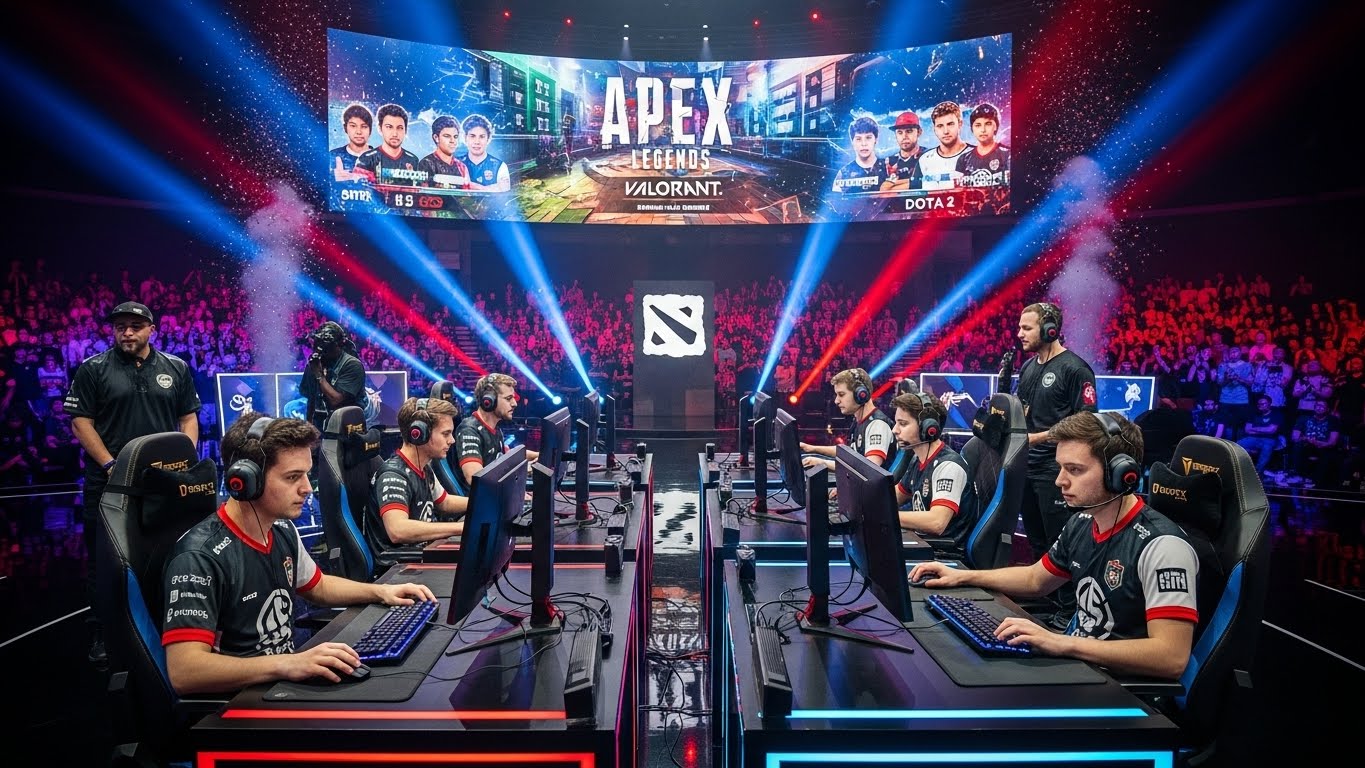
Today, esports stands alongside traditional sports as a major entertainment industry. International tournaments attract massive audiences, both online and in physical venues. These events are produced with professional commentary, expert analysis, and high-quality visuals that enhance the viewing experience. Fans tune in not only for gameplay but also for the drama, rivalries, and personal stories of players. Esports events have become cultural spectacles that unite fans from different countries and backgrounds.
Economic Impact and Industry Expansion
The esports industry has developed into a powerful economic ecosystem. Revenue is generated through sponsorships, advertising, ticket sales, merchandise, and media rights. Game developers invest heavily in competitive scenes to maintain player engagement and long-term interest. Brands from various industries partner with esports teams and events to reach digitally connected audiences. This growth has created career opportunities in event management, broadcasting, marketing, design, coaching, and data analysis, making esports a diverse professional field.
Life and Discipline of Esports Athletes
Professional esports players follow structured and demanding routines. Daily training often includes practicing game mechanics, studying strategies, reviewing past matches, and coordinating with teammates. Communication and trust are essential in team-based esports, where coordination can determine victory or defeat. Players also work with coaches who help refine strategies and improve performance. The dedication required challenges the misconception that gaming lacks discipline or professionalism.
Mental Strength and Physical Well-Being
Although esports is primarily digital, it places real physical and mental demands on players. Long hours of gameplay can lead to fatigue, eye strain, and repetitive stress injuries. Mental pressure is also significant, as players must perform consistently under public scrutiny. Recognizing these challenges, many teams now emphasize physical exercise, proper nutrition, and mental health support. This balanced approach helps players maintain longevity and peak performance in competitive environments.
Strategic Depth of Competitive Gaming
Esports is deeply strategic and intellectually demanding. Players must analyze opponents, adapt to changing situations, and make split-second decisions that can alter the course of a match. Team-based games require careful planning, role specialization, and coordination. Every movement, decision, and timing choice matters. This strategic complexity is one of the reasons esports captivates audiences, as no two matches are ever the same.
Fan Culture and Community Engagement
The esports community plays a vital role in the industry’s growth. Fans actively engage through discussions, live reactions, fan art, and community events. Unlike traditional sports, esports allows for direct interaction between players and fans, strengthening relationships and loyalty. This sense of community fosters inclusivity and shared passion, making esports a cultural movement rather than just a competitive activity.
Esports and the Younger Generation
Esports holds a special appeal for younger audiences who have grown up with digital technology. For many, watching esports feels natural and relatable. Professional players serve as role models, demonstrating that dedication and skill in gaming can lead to success. Esports also influences online culture, language, and trends, shaping how young people connect and express themselves in digital spaces.
Education and Career Opportunities
Educational institutions have begun recognizing the value of esports. Schools and universities now offer esports clubs, programs, and scholarships. These initiatives focus not only on gameplay but also on skills such as teamwork, leadership, communication, and digital production. Careers in esports extend beyond professional play, offering opportunities in technology, business, education, and creative industries. This educational integration highlights esports as a legitimate and sustainable career path.
Challenges Within the Esports Industry
Despite its rapid growth, esports faces several challenges. Player burnout remains a concern due to intense schedules and high expectations. The lack of standardized global regulations can lead to issues with contracts, fairness, and governance. Inclusivity is another ongoing challenge, as the industry continues working toward creating welcoming environments for all participants. Addressing these issues is essential for the long-term success and credibility of esports.
Esports Compared to Traditional Sports
Esports is often compared to traditional sports, and while the two differ in physicality, they share many similarities. Both involve professional athletes, structured competitions, fan loyalty, and commercial partnerships. Traditional sports organizations have increasingly invested in esports, recognizing its ability to reach new audiences. Rather than replacing traditional sports, esports complements them, offering a modern form of competition that reflects changing lifestyles and interests.
The Future of Esports
The future of esports is filled with potential. Advancements in virtual reality, artificial intelligence, and immersive technologies may redefine how games are played and experienced. As internet access improves globally, esports will continue expanding into new regions. Increased mainstream acceptance and institutional support suggest that esports will remain a dominant force in entertainment and competition for years to come.
Conclusion: Esports as a Cultural Revolution
Esports represents more than competitive gaming; it reflects a shift in how society views skill, competition, and entertainment. By blending technology, strategy, and human performance, esports has created a new kind of sporting experience. Its growth has opened doors for players, fans, and professionals around the world. As the digital age continues to evolve, esports stands as a powerful symbol of innovation, passion, and global connection, proving that competition has no boundaries, even in virtual worlds.