
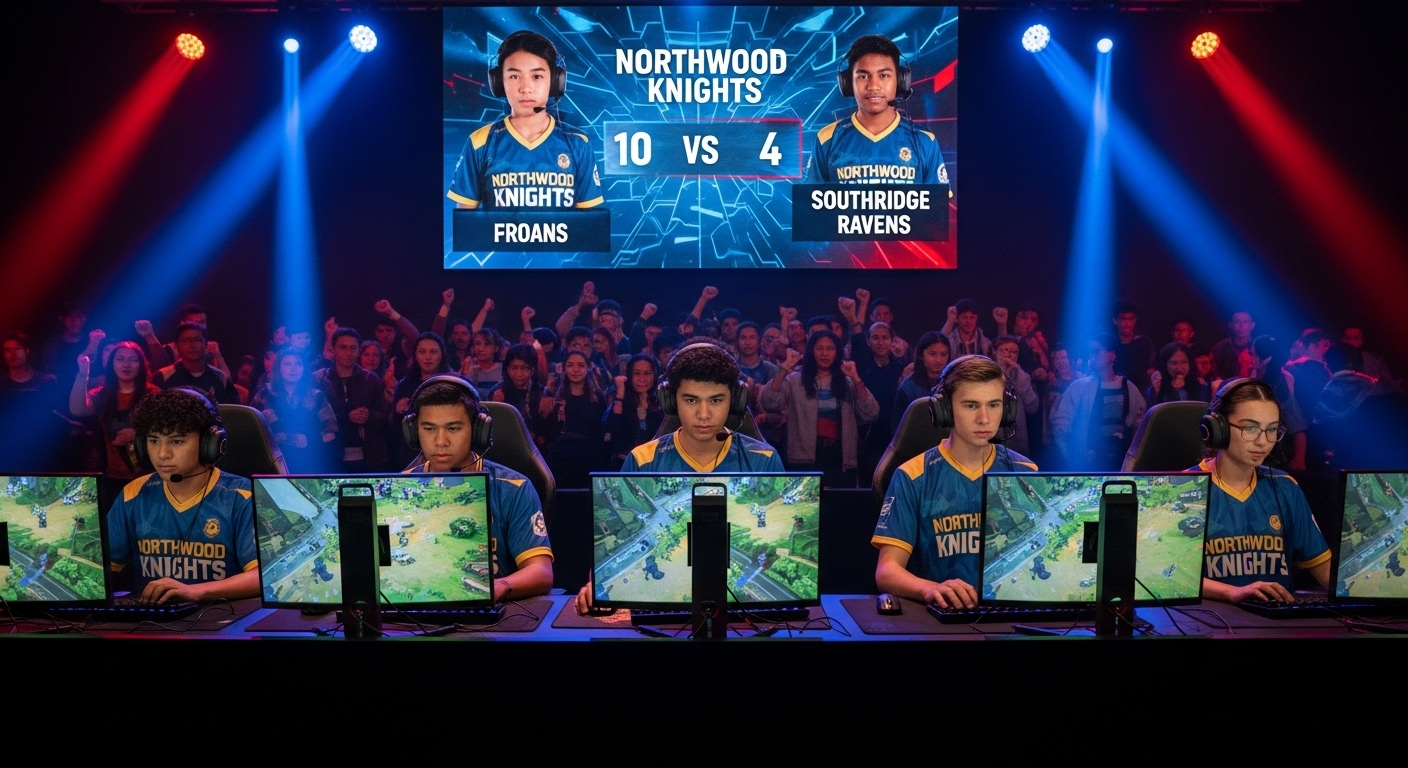
In recent years, high school esports leagues have experienced a meteoric rise, transforming from niche extracurricular activities into mainstream educational programs. This surge in popularity reflects broader cultural shifts and the growing recognition of gaming as a legitimate and valuable pursuit. As schools across the globe embrace competitive gaming, students are reaping the benefits of enhanced engagement, skill development, and new pathways to higher education and careers.
The Evolution of High School Esports
Esports, or electronic sports, refers to organized, multiplayer video game competitions, particularly between professional players, individually or as teams. While competitive gaming has been around for decades, its integration into high schools is a relatively recent development. The turning point came in the early 2010s when platforms like Twitch popularized gaming as a spectator sport. This visibility, combined with the increasing accessibility of gaming technology, laid the groundwork for esports to enter educational institutions.
By the mid-2010s, organizations such as the High School Esports League (HSEL) began to formalize competitive gaming in schools. HSEL, now operating under the name PlayVS, has been instrumental in providing a structured environment for high school esports, offering official leagues and tournaments across the United States
The Growth of High School Esports
The growth of high school esports has been nothing short of impressive. According to the National Association of Esports Coaches and Directors (NAECAD), there are now over 3,500 high school esports clubs across all 50 U.S. states. This expansion is mirrored globally, with countries like Japan reporting that 80% of high schools have esports clubs
This rapid growth can be attributed to several factors:
- Increased Student Interest: As gaming becomes more mainstream, students are eager to participate in organized competitions that align with their interests.
- Educational Benefits: Schools recognize the potential of esports to teach valuable skills such as teamwork, strategic thinking, and digital literacy.
- College Opportunities: The rise of esports scholarships offers students pathways to higher education through their gaming talents.
Educational Benefits of Esports
Esports in high schools offer more than just entertainment; they provide a platform for students to develop a range of skills that are applicable both in and out of the classroom.
1. Teamwork and Collaboration
Many esports titles require players to work in teams, fostering collaboration and communication. Students learn to coordinate strategies, delegate roles, and support one another, mirroring the dynamics of traditional sports teams
2. Strategic Thinking and Problem-Solving
Competitive gaming involves complex scenarios that require quick thinking and adaptability. Students develop critical thinking skills as they analyze situations, make decisions under pressure, and adjust strategies in real-time
3. Digital Literacy and Technical Skills
Participating in esports exposes students to various technologies, including gaming hardware, software, and broadcasting tools. This exposure enhances their digital literacy and can spark interest in careers related to technology and media
4. Leadership and Responsibility
Esports teams often have captains or coaches who take on leadership roles, teaching students about responsibility, time management, and the importance of leading by example
College and Career Pathways
One of the most compelling aspects of high school esports is the potential for students to transition into higher education and professional careers. In the United States, colleges and universities have begun offering esports scholarships, with over $16 million awarded in the 2020-2021 academic year alone. These scholarships provide students with financial support and a pathway to pursue their passion for gaming at the collegiate level.
Beyond college, the esports industry offers various career opportunities, including roles in game development, broadcasting, event management, and marketing. By participating in high school esports, students gain exposure to these fields and can begin building the skills necessary for a successful career in the gaming industry.
Inclusivity and Accessibility
Esports have the unique ability to bridge gaps and provide opportunities for students who might not excel in traditional sports. Students who are introverted, have physical disabilities, or face other challenges can find a sense of belonging and achievement in esports. This inclusivity fosters a more diverse and supportive school community.
Furthermore, the digital nature of esports makes them accessible to a wide range of students. Schools do not need extensive physical facilities; a computer lab with internet access is often sufficient to host competitions. This accessibility allows schools in underserved areas to implement esports programs without significant financial investment.
The Future of High School Esports
Looking ahead, the future of high school esports appears promising. Several trends are likely to shape the next phase of growth:
- Integration into Curricula: Esports may become a formal part of school curricula, with courses focusing on game design, digital media, and esports management.
- Expansion of Programs: As demand grows, more schools will establish esports programs, and existing programs will expand to include more games and age groups.
- Global Competitions: International tournaments and leagues may become more prevalent, providing students with opportunities to compete on a global stage.
- Industry Partnerships: Collaborations between schools and gaming companies can lead to sponsorships, internships, and career pathways for students.
Conclusion
High school esports leagues have evolved from a niche interest to a significant component of the educational landscape. They offer students opportunities to develop valuable skills, pursue college scholarships, and explore careers in a rapidly growing industry. As schools continue to recognize the benefits of esports, their presence in educational institutions is set to expand, providing students with new avenues for engagement and success.
For more information on starting or joining a high school esports program, resources are available through organizations like PlayVS and the National Association of Esports Coaches and Directors. These platforms offer guidance, support, and opportunities for students and educators interested in the world of competitive gaming.