
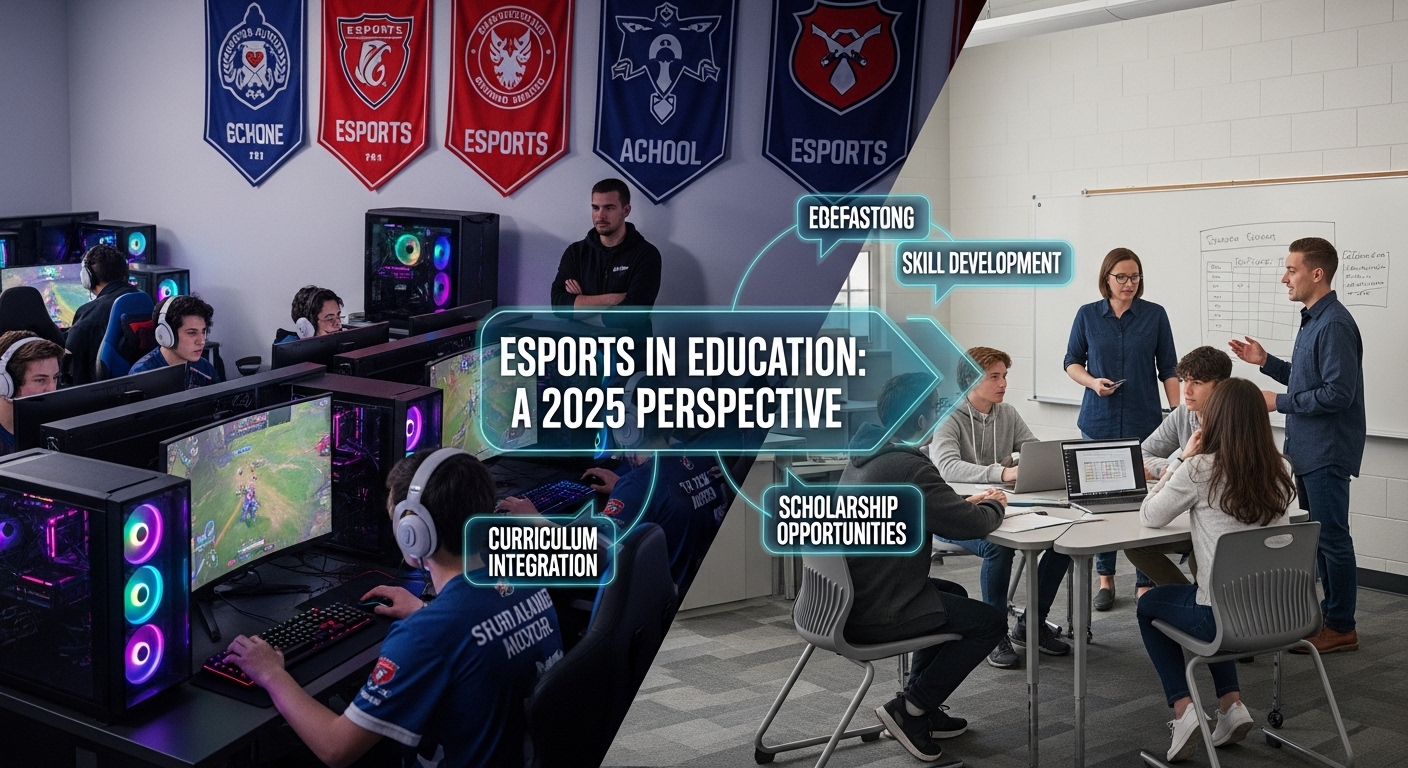
In recent years, esports has evolved from a niche hobby to a global phenomenon, captivating millions of players and viewers worldwide. This surge in popularity has not gone unnoticed by educational institutions. Schools across the globe are recognizing the potential of esports to engage students, enhance learning experiences, and prepare them for future careers in the digital age. This blog post delves into how esports is entering school programs, exploring its benefits, implementation strategies, and the future of esports in education.
The Rise of Esports in Education
Esports, or competitive video gaming, has become a significant part of the entertainment industry. With professional leagues, sponsorships, and a dedicated fan base, esports mirrors traditional sports in many ways. Recognizing its potential, educational institutions are incorporating esports into their curricula and extracurricular activities.
Engaging the Digital Generation
Today’s students are digital natives, immersed in technology from a young age. Traditional teaching methods often struggle to capture their attention. Esports offers an interactive and dynamic platform that resonates with students, making learning more engaging. By integrating gaming elements into education, schools can bridge the gap between students’ interests and academic content.
Promoting STEM Education
Esports inherently involves science, technology, engineering, and mathematics (STEM) concepts. Game design, programming, and data analysis are integral components of esports. Schools are leveraging this connection to promote STEM education, encouraging students to pursue careers in these fields. For instance, courses that teach coding through game development are becoming increasingly popular.
Developing Soft Skills
Beyond technical knowledge, esports fosters the development of essential soft skills. Teamwork, communication, leadership, and strategic thinking are crucial for success in esports. These skills are transferable to various aspects of life and are highly valued in the workforce. Schools are recognizing the importance of these competencies and are incorporating them into their esports programs.
Benefits of Esports in Schools
Integrating esports into school programs offers numerous benefits, both academically and socially.
1. Improved Academic Performance
Participation in esports can lead to improved academic outcomes. Studies have shown that students involved in esports tend to have higher grades and better attendance. The structured environment of esports encourages discipline and time management, which can translate into better academic performance.
2. Enhanced Social Interaction
Esports provides a platform for students to interact and collaborate with peers who share similar interests. This social interaction can help build a sense of community and belonging, reducing feelings of isolation. It also promotes inclusivity, as esports can be accessible to students with varying physical abilities.
3. Career Pathways
Esports opens up new career pathways for students. Beyond professional gaming, the esports industry encompasses roles in game design, broadcasting, marketing, event management, and more. By exposing students to these opportunities, schools can help them make informed decisions about their future careers.
4. Digital Literacy
In today’s digital world, literacy extends beyond reading and writing to include digital literacy. Esports programs teach students how to navigate digital platforms, understand online safety, and use technology responsibly. These skills are essential in the modern workforce.
Implementing Esports Programs in Schools
Introducing esports into school programs requires careful planning and consideration.
1. Infrastructure and Equipment
A successful esports program necessitates appropriate infrastructure and equipment. Schools need to invest in gaming PCs, high-speed internet, and comfortable seating arrangements. Creating dedicated esports arenas or gaming labs can provide students with a conducive environment for practice and competition.
2. Curriculum Integration
Esports can be integrated into the curriculum in various ways. Some schools offer esports as an elective course, where students learn about game design, coding, and digital media. Others incorporate esports into existing subjects like mathematics and computer science to make learning more interactive.
3. Extracurricular Activities
In addition to curricular integration, esports can be offered as an extracurricular activity. School esports teams can compete in local, regional, or even national tournaments. This competitive aspect can motivate students to improve their skills and work collaboratively.
4. Teacher Training
Educators play a crucial role in the success of esports programs. Providing teachers with training in game-based learning and esports management can enhance the effectiveness of these programs. Professional development opportunities can equip teachers with the necessary skills to guide students in the esports arena.
5. Community and Industry Partnerships
Collaborating with community organizations and industry partners can provide additional resources and support for esports programs. Partnerships with local businesses, gaming companies, and higher education institutions can offer students mentorship opportunities, internships, and exposure to the professional esports industry.
Challenges and Considerations
While the integration of esports into school programs offers numerous benefits, it also presents certain challenges.
1. Screen Time Concerns
Excessive screen time is a concern for many parents and educators. It’s essential to balance esports participation with other activities to ensure students’ well-being. Implementing guidelines on screen time and promoting physical activity can help mitigate potential negative effects.
2. Equity and Access
Not all students have equal access to the necessary technology and resources to participate in esports. Schools must strive to provide equitable opportunities for all students, regardless of socioeconomic background. This may involve providing access to gaming equipment and internet connectivity.
3. Academic Balance
Esports programs should complement, not replace, academic pursuits. It’s crucial to maintain a balance between esports participation and academic responsibilities. Schools can implement policies to ensure that students’ academic performance remains a priority.
4. Parental Involvement
Engaging parents in the esports journey is vital. Schools should communicate the benefits of esports to parents and involve them in the process. Hosting informational sessions and providing resources can help parents understand the positive impact of esports on their children’s education.
The Future of Esports in Education
The future of esports in education looks promising. As technology continues to advance, the possibilities for integrating esports into school programs expand.
1. Virtual and Augmented Reality
The incorporation of virtual and augmented reality into esports can provide immersive learning experiences. Students can engage in simulations and virtual environments that enhance their understanding of various subjects.
2. Global Competitions
Esports enables students to compete on a global scale. International tournaments can foster cultural exchange and expose students to diverse perspectives. Schools can leverage these opportunities to promote global citizenship and collaboration.
3. Lifelong Learning
Esports promotes a culture of lifelong learning. The ever-evolving nature of the gaming industry encourages students to continuously acquire new skills and knowledge. This mindset is beneficial in an increasingly dynamic job market.
4. Interdisciplinary Learning
Esports inherently involves multiple disciplines, including technology, mathematics, art, and communication. Schools can capitalize on this by promoting interdisciplinary learning, where students apply knowledge from various subjects to solve complex problems.
Conclusion
Esports is more than just a trend; it’s a transformative force in education. By integrating esports into school programs, educational institutions can engage students, promote essential skills, and prepare them for future careers in the digital age. While challenges exist, the benefits of esports in education are undeniable. As we look to the future, the role of esports in schools will continue to evolve, offering new opportunities for students and educators alike.