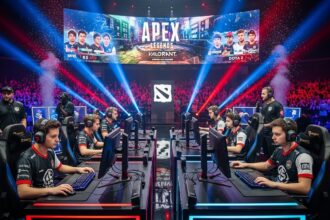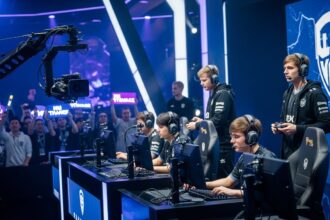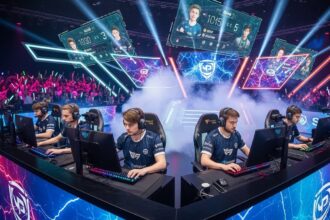
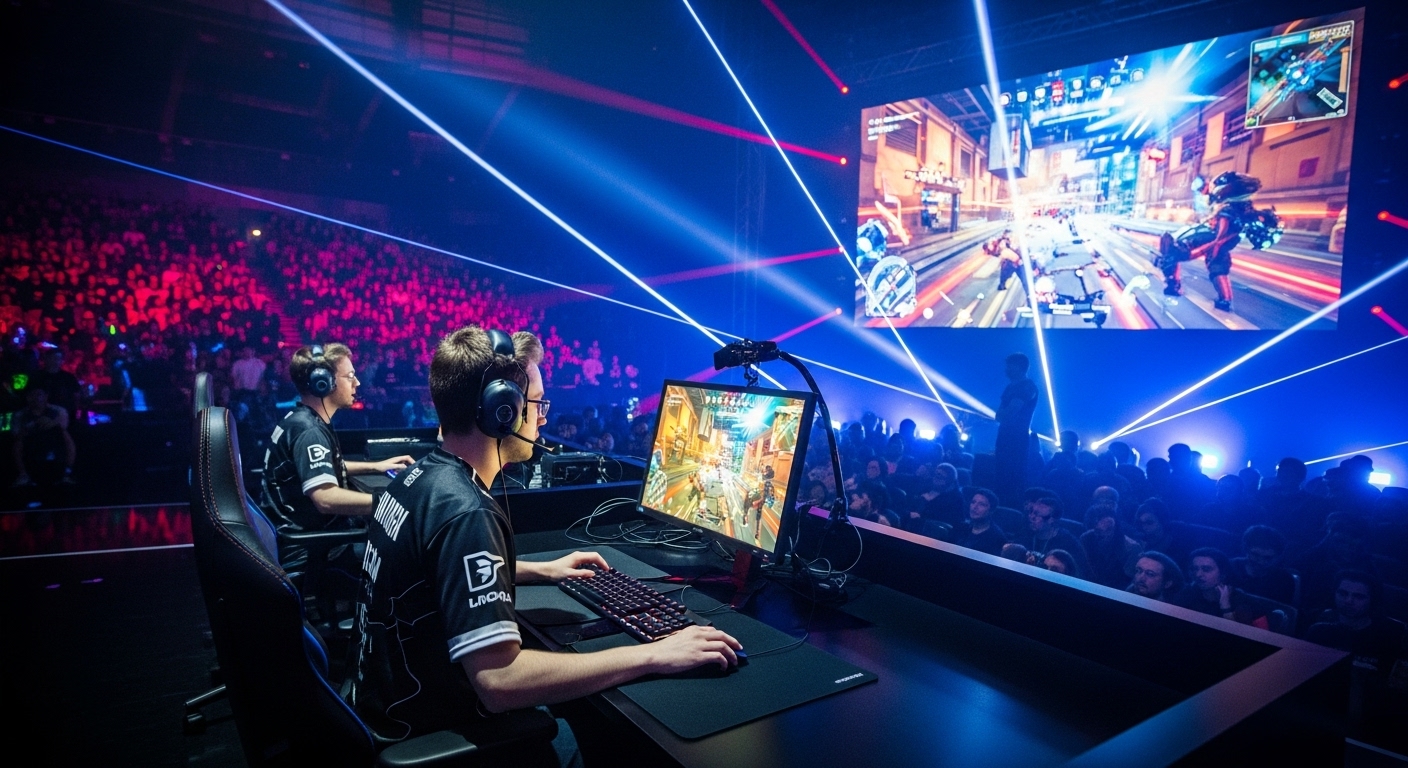
Esports events are more than just exciting matches between top-tier players; they are complex productions that involve months of planning, collaboration, and cutting-edge technology. Whether it’s a regional tournament or a global spectacle like The International, the effort that goes into creating a smooth and engaging experience for both players and viewers is immense. In this post, we will take you behind the scenes to explore how esports events are produced, the people who make it all happen, and the technological innovations that power these electrifying events.
1. Event Planning: The Foundation of Success
Before a single match is played or a live broadcast begins, the groundwork for an esports event must be laid months in advance. Event planning in esports is crucial to ensure everything runs smoothly, from scheduling to logistics, marketing, and partnerships. The process involves coordinating with multiple stakeholders, including game developers, sponsors, broadcasting teams, players, and fans.
Why It’s Important:
- Venue Selection: The choice of venue can make or break an event. Organizers must consider the capacity of the venue, its location, accessibility, and its ability to support the technical requirements of a large-scale production. Some events take place in massive arenas, while others may be held in convention centers or even online.
- Team Coordination: Every esports event involves multiple teams working behind the scenes. This includes event organizers, technical staff, logistics teams, marketing experts, and sponsors. Their job is to ensure everything—from the tournament format to player accommodations—is handled efficiently.
- Scheduling: Coordinating the schedules of dozens of players, teams, broadcasters, and fans is a challenge. Most esports tournaments require strict time management to ensure that matches run on time, while also accommodating global audiences across different time zones.
By establishing a solid plan from the start, esports event organizers can avoid mishaps and create an event that runs smoothly from start to finish.
2. The Technology: Building the Digital Infrastructure
At the heart of every esports event is cutting-edge technology. From broadcasting software to high-speed internet connections, the technical infrastructure behind these events is a feat of innovation. Without these technologies, events would not be able to achieve the level of engagement and interactivity that modern esports fans have come to expect.
Why It’s Important:
- Broadcasting Equipment: High-definition cameras, drones, and even augmented reality (AR) graphics are used to capture every moment of the event. Behind the scenes, technical teams ensure that the feed is flawless and that live broadcasts reach millions of viewers around the world without any delays.
- Live Streaming: Platforms like Twitch, YouTube, and Facebook Gaming are essential to the distribution of esports events. These platforms require robust streaming technologies that can handle millions of concurrent viewers without dropping frames or causing latency. Streaming has become more sophisticated, with features like live chat, instant replays, and interactive polls enhancing the viewer experience.
- Game Servers and Infrastructure: For online tournaments, a strong server infrastructure is key to ensuring a smooth gameplay experience. Low latency, stability, and protection against cheating or disruptions are crucial factors for delivering high-quality gameplay.
By investing in the right technology, organizers can ensure that both players and fans have an uninterrupted and immersive experience, both in the arena and online.
3. Player Management: The Key to Competitive Integrity
One of the most critical aspects of esports event production is player management. Ensuring that the players have everything they need—from practice spaces to accommodations and tech support—is essential for maintaining the competitive integrity of the event.
Why It’s Important:
- Practice and Warm-Up Areas: Players need quiet, distraction-free environments to practice and warm up before their matches. These areas are often equipped with high-performance gaming PCs, headsets, and monitors to ensure that the players have the best possible conditions to perform.
- Player Accommodations: Depending on the size and location of the event, players may be required to travel long distances. Event organizers ensure that players are provided with accommodations, transport, and catering, allowing them to focus solely on their gameplay.
- Health and Wellbeing: Esports events are grueling, often spanning several days, and can put a lot of physical and mental strain on players. Organizers often provide onsite medical care, physiotherapists, and mental health support to keep players in top shape throughout the tournament.
By taking care of the players’ needs and ensuring they can perform at their peak, organizers maintain the integrity of the competition and make the event more enjoyable for both participants and viewers.
4. The Broadcasting Crew: Capturing Every Moment
The role of the broadcasting crew cannot be overstated in the production of esports events. This team is responsible for everything viewers see on screen, from live commentary to camera angles and instant replays. Their job is to bring the drama, excitement, and emotion of the event to life.
Why It’s Important:
- Commentary and Analysis: Commentators and analysts provide insights into the game, offering context to viewers who may not be familiar with the strategies and mechanics. Great commentary enhances the viewer’s experience and adds to the excitement of the match. Some events even include player interviews and expert analysis between rounds, providing a complete narrative of the event.
- Cameras and Visuals: The camera crew plays a crucial role in highlighting key moments of the tournament. They use multiple camera angles, including overhead shots and close-ups of players’ reactions, to capture the intensity of every match. Advanced graphics and on-screen information, such as player stats or in-game events, are also produced to provide a dynamic viewing experience.
- Live Production Teams: Live event production requires a team of directors, producers, and technical staff who ensure that all visual and audio elements come together seamlessly. They manage the broadcast feed, direct camera angles, and switch between different scenes, often in real-time. This coordination is essential to maintaining a professional and polished show.
The broadcasting team ensures that every viewer, whether they’re watching in person or online, feels connected to the action and the atmosphere of the event.
5. Fan Engagement: Creating an Immersive Experience
Esports events aren’t just about the competition—they’re about creating an immersive experience for the fans. Whether they’re watching in the arena or at home, fan engagement is crucial to the success of the event. Interactive features, fan zones, and social media integrations all play a significant role in enhancing the overall experience.
Why It’s Important:
- In-Arena Experience: For those attending live, the experience goes beyond watching the players. Organizers create fan zones where attendees can interact with sponsors, try out new games, purchase merchandise, or meet players. Some events even feature live music, Q&A sessions, or exclusive behind-the-scenes content to keep the energy high.
- Social Media Integration: Esports events thrive on social media. Hashtags, fan polls, and live updates on Twitter, Instagram, and Facebook allow fans to interact with the event in real-time. This connection enhances the viewer experience and builds a sense of community among fans.
- Audience Interaction: Features like live voting, chat rooms, and interactive features such as “choose your MVP” allow fans to feel like they have a direct impact on the event. This level of interaction fosters deeper engagement and increases viewer loyalty.
By creating a multi-dimensional experience that includes both physical and digital engagement, esports organizers ensure that the fans feel like they are part of the action.
6. Sponsorships and Partnerships: Fueling the Event’s Growth
Sponsorships play a massive role in the production of esports events. From in-game advertising to branded content, sponsorships provide the financial backing that allows organizers to produce high-quality events. Esports brands, streaming platforms, and game developers are key partners in bringing these events to life.
Why It’s Important:
- Monetizing the Event: Esports event organizers often partner with brands and companies to secure sponsorships, which can range from banner ads in the venue to product placement and digital advertisements during the broadcast. These sponsorships help cover the cost of production, player fees, and the event itself.
- Brand Visibility: For sponsors, esports events provide access to a young, tech-savvy audience that is highly engaged with the content. This allows brands to reach potential customers in a way that traditional advertising cannot.
- Long-Term Partnerships: Some sponsors also form long-term partnerships with esports teams or tournaments, which helps ensure the financial sustainability of future events. These partnerships may include exclusive product deals or co-branded content.
Sponsorships are essential to the financial viability of esports events, allowing organizers to reinvest in future tournaments and build the esports ecosystem.
Conclusion: The Invisible Work Behind Esports Spectacles
Behind every thrilling esports match, there’s an intricate web of planning, technology, coordination, and collaboration that makes the event come to life. From the event planners who lay the groundwork to the broadcasting teams who deliver the action to millions of viewers, each member of the production team plays a critical role in creating a seamless, engaging experience for fans and players alike. As esports continues to grow, the complexity and sophistication of event production will only increase, making it an exciting time for both fans and professionals in the industry.