Introduction: The Emergence of Esports
In the past two decades, gaming has evolved from a casual pastime into a global phenomenon known as esports. Competitive gaming, once dismissed as a hobby for teenagers, now attracts millions of viewers and generates billions of dollars worldwide. Esports, short for electronic sports, encompasses organized video game competitions where professional players or teams compete at the highest level. It combines strategy, skill, teamwork, and entertainment, creating a dynamic industry that rivals traditional sports. This blog explores the rise of esports, its impact, and its future potential as a global cultural and economic force.
The Early Days of Competitive Gaming
The roots of esports can be traced back to the late 1970s and early 1980s, during the arcade gaming boom. Tournaments like the Space Invaders Championship in 1980 laid the foundation for organized competitive gaming. As personal computers and home consoles became more accessible, gaming competitions grew in scope and sophistication. The release of StarCraft in South Korea during the late 1990s and early 2000s marked a turning point, establishing professional gaming as a legitimate career. South Korea’s robust internet infrastructure and cultural acceptance of gaming as a career propelled esports into mainstream consciousness, setting the stage for its global expansion.
Popular Esports Titles and Their Influence
Esports encompasses a wide variety of games, each contributing uniquely to the industry. Multiplayer Online Battle Arena games, or MOBAs, like League of Legends and Dota 2, emphasize team strategy and individual skill. First-Person Shooters, such as Counter-Strike: Global Offensive and Call of Duty, focus on precision, reflexes, and coordination. Battle Royale games like Fortnite and Apex Legends combine survival mechanics with competitive gameplay, attracting younger audiences. Each title has its own dedicated leagues, tournaments, and fan communities, enriching the diverse ecosystem of esports. These games not only entertain but also influence how audiences engage with digital content and participate in gaming culture.
Professional Structure and Competitive Leagues
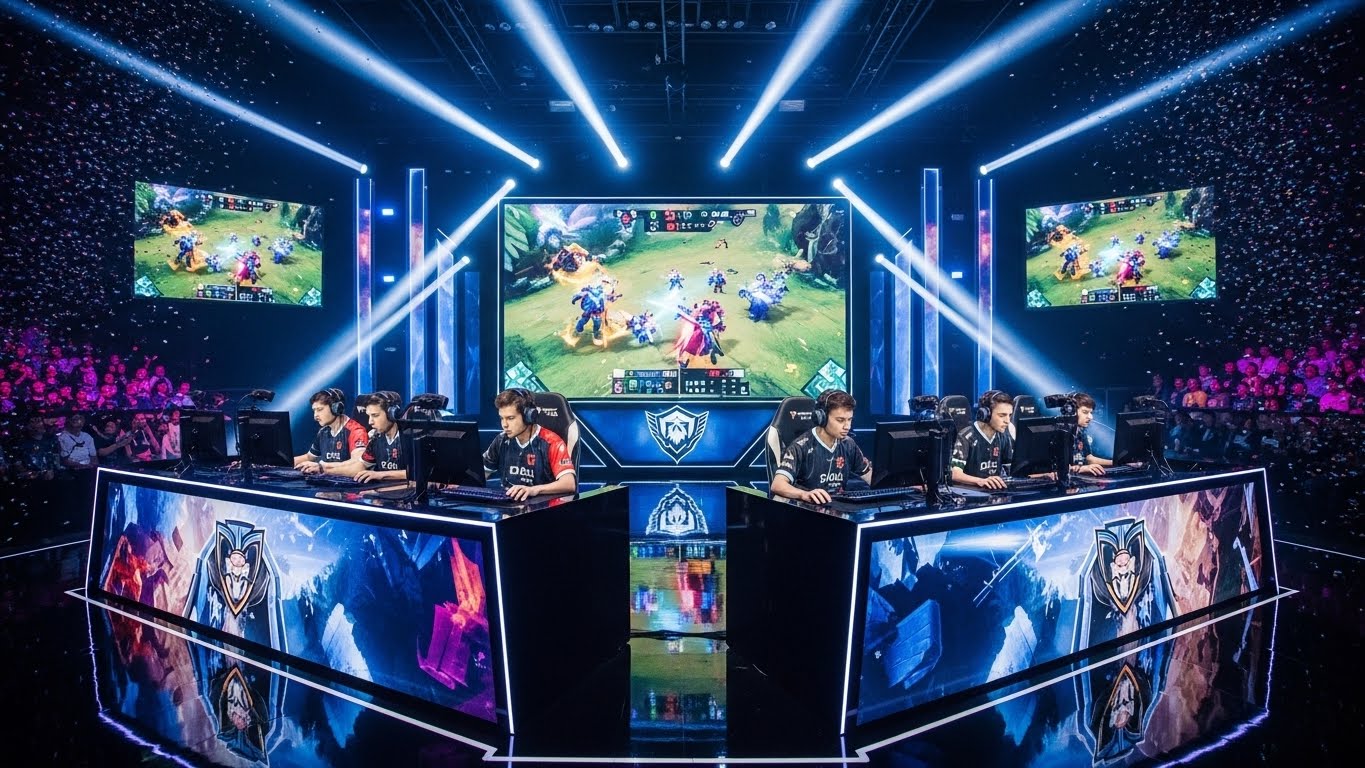
Esports mirrors traditional sports in its professional structure. Players sign with teams, receive salaries, and undergo rigorous training to enhance skills and teamwork. Leagues are organized both regionally and internationally, offering structured competition and substantial prize pools. The League of Legends World Championship, for example, attracts millions of viewers globally, rivaling the popularity of major sporting events. Beyond players, esports employs coaches, analysts, commentators, and production teams to manage logistics, broadcast events, and enhance audience experience. This professional ecosystem ensures that competitive gaming operates at a high standard of performance and entertainment.
The Impact of Streaming Platforms
Streaming platforms have revolutionized esports by connecting players with audiences worldwide. Platforms like Twitch and YouTube Gaming allow fans to watch live matches, interact with players, and join gaming communities. Streaming has made esports accessible to a global audience, breaking down geographical barriers and fostering a shared culture among gamers. It has also enabled amateur players and content creators to gain recognition and generate income, further democratizing the industry. The combination of live interaction, engaging commentary, and professional production has turned esports into an immersive entertainment experience for millions.
Esports as a Career Path
Esports offers legitimate career opportunities that extend beyond professional gaming. Players train rigorously, often dedicating eight to twelve hours daily to practice, strategy development, and team coordination. Careers in esports include team management, coaching, broadcasting, event organization, content creation, and game development. Educational institutions now offer programs and scholarships for esports, recognizing it as a viable profession. The rise of esports careers reflects the industry’s growing legitimacy and its potential to create long-term opportunities for individuals passionate about gaming.
Economic Significance and Sponsorship
The economic impact of esports is significant, with revenue streams coming from advertising, sponsorships, merchandise, ticket sales, and media rights. Major global brands invest heavily in esports sponsorships, reaching younger, digitally savvy audiences. Esports events often feature elaborate productions, including live broadcasts, interactive fan zones, and branded experiences. Prize pools for tournaments can reach millions of dollars, further incentivizing players and teams. The financial ecosystem of esports mirrors traditional sports, making it an increasingly influential industry within global entertainment and commerce.
Global Reach and Cultural Influence
Esports has become a global phenomenon, transcending cultural and geographic boundaries. While South Korea pioneered professional gaming, countries across Europe, North America, and Asia now host major tournaments and leagues. International competitions foster cross-cultural exchange and build communities united by shared passion for gaming. The global reach of esports has influenced popular culture, inspiring fan art, merchandise, social media trends, and mainstream media coverage. Its popularity demonstrates the universal appeal of digital competition and entertainment.
Challenges Facing the Industry
Despite its rapid growth, esports faces several challenges. Player burnout is common due to long training hours, high stress, and intense competition. Mental health concerns, including anxiety and depression, are increasingly recognized within the industry. Regulatory challenges, such as standardizing rules, player contracts, and fair play, remain ongoing issues. Additionally, ensuring inclusivity for women and underrepresented groups is a priority for sustainable growth. Addressing these challenges is essential to maintain the integrity, accessibility, and long-term viability of esports as an industry.
The Role of Technology in Shaping Esports
Technology is central to esports’ growth and evolution. High-speed internet, advanced graphics, and gaming peripherals have enhanced gameplay quality and viewer experience. Innovations in virtual reality and augmented reality promise to further transform the competitive landscape, creating immersive experiences for both players and audiences. Artificial intelligence is also being utilized to analyze gameplay, optimize strategies, and improve training methods. The integration of technology ensures that esports remains at the cutting edge of entertainment, bridging the gap between digital innovation and human skill.
The Future of Esports
The future of esports is full of potential and new opportunities. Mobile gaming is expanding esports to regions where traditional gaming platforms are less accessible. Collaboration between traditional sports organizations and esports teams is becoming more common, further legitimizing the industry. As educational programs and research in esports grow, the professionalization and commercialization of the sector will continue to advance. With increasing global recognition, technological innovation, and professional opportunities, esports is poised to become a dominant force in entertainment and culture for years to come.
Conclusion: Esports as a Cultural and Economic Force
Esports has grown far beyond its humble beginnings as a casual hobby. Today, it stands as a legitimate career path, a global entertainment phenomenon, and a powerful economic driver. Its growth reflects broader trends in digital culture, technology, and community engagement, highlighting the evolving ways people interact, compete, and entertain themselves. As esports continues to expand, it will redefine what it means to be a professional athlete, a content creator, and a fan in the digital age. The rise of esports is not just a story about gaming; it is a story about innovation, passion, and the limitless potential of human competition in the virtual world.