Introduction: The Rise of Esports
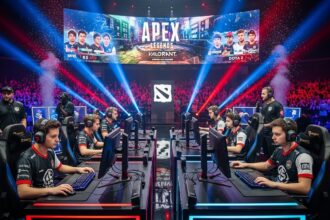
In the last decade, the world of competitive gaming has experienced an extraordinary transformation. Once regarded as a niche hobby for teenagers and gaming enthusiasts, esports has emerged as a global industry that rivals traditional sports in both popularity and revenue. Millions of fans tune in to watch professional players compete in video games that range from strategic battle arenas to fast-paced shooters. With international tournaments, professional teams, and massive prize pools, esports has shifted from a pastime into a recognized career path, redefining the very concept of competition in the digital age.
Understanding Esports
Esports, short for electronic sports, refers to organized, competitive video gaming where individuals or teams face off in tournaments or leagues. Unlike casual gaming, esports demands rigorous practice, deep strategy, and strong teamwork. Players invest countless hours honing their skills, studying opponents, and perfecting strategies to maintain a competitive edge. Popular esports titles span various genres, including multiplayer online battle arenas, first-person shooters, sports simulations, and fighting games, each offering unique challenges and competitive dynamics.
The Evolution of Competitive Gaming
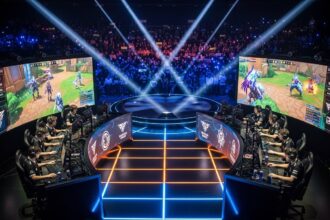
The journey of esports from informal gaming sessions to a professional industry has been remarkable. Early competitions were small-scale, often organized in local gaming centers or online forums. As technology improved, the scene expanded, drawing attention from sponsors and game developers. The rise of live streaming platforms played a critical role in this evolution, allowing fans worldwide to watch tournaments in real time. Today, events like the League of Legends World Championship or The International in Dota 2 fill massive arenas and attract millions of online viewers, demonstrating the vast scale esports has achieved.
Technology as the Backbone of Esports
The rapid growth of esports is closely tied to technological advancements. High-speed internet, powerful gaming PCs, and sophisticated consoles have made competitive gaming accessible to a global audience. Streaming platforms allow fans to watch live matches, interact with players, and follow their favorite teams in real time. In addition, advances in graphics, sound design, and gameplay mechanics have elevated the spectator experience, turning gaming competitions into visually thrilling events comparable to traditional sports broadcasts.
Esports as a Global Entertainment Phenomenon
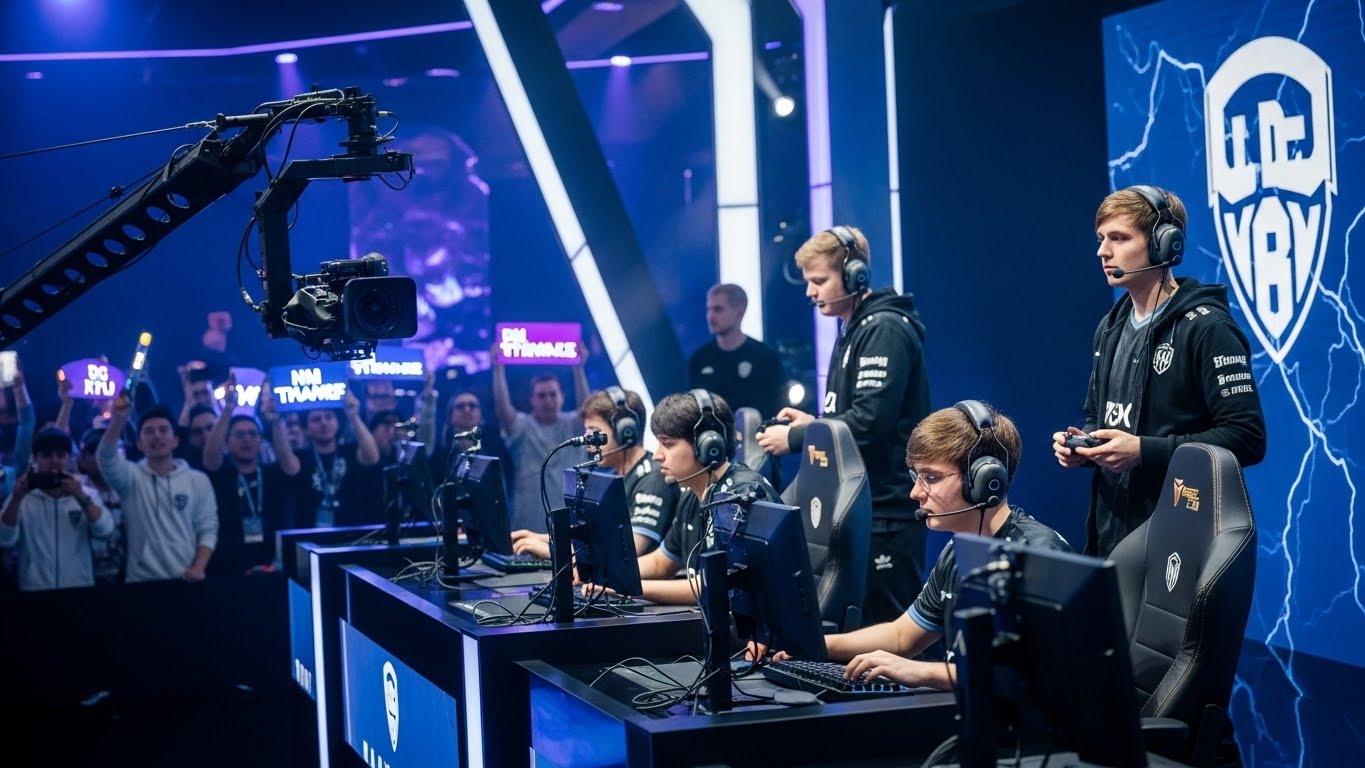
Esports is more than just competitive gameplay; it has become a form of entertainment that transcends geographical boundaries. International tournaments feature players from diverse countries, creating a global cultural phenomenon. Production quality mirrors that of professional sports broadcasts, with commentators, live analysis, music, and visual effects enhancing viewer engagement. For many fans, watching esports is an immersive experience that combines drama, strategy, and skill, creating stories and rivalries that captivate audiences worldwide.
Economic Growth in the Esports Industry
The esports industry has grown into a multi-billion-dollar global market. Revenue comes from multiple sources, including sponsorships, advertising, media rights, merchandise, and ticket sales. Game developers invest heavily in tournaments and competitive platforms to maintain player engagement. Brands outside the gaming world have also recognized esports as an opportunity to reach younger audiences, creating new revenue streams and career opportunities. Beyond players, the industry provides jobs for commentators, analysts, event organizers, software developers, and marketing professionals, making it a diverse and thriving economic ecosystem.
Training and Discipline of Esports Athletes
Esports athletes are often subject to intense training regimens comparable to traditional sports. Professional players dedicate hours each day to practice, focusing on reaction time, strategy, teamwork, and decision-making under pressure. Physical and mental health are equally important, as long gaming sessions can lead to fatigue, strain, and burnout. Many top teams incorporate fitness routines, nutrition plans, and mental coaching into their training programs to ensure players maintain peak performance. The discipline required in esports challenges the misconception that video gaming lacks dedication or rigor.
The Strategic Complexity of Competitive Gaming
Competitive gaming is as much a mental challenge as it is a test of reflexes. Success in esports often depends on strategic thinking, coordination, and adaptability. Players must analyze opponents’ behaviors, anticipate moves, and make split-second decisions that can change the outcome of a match. The depth of strategy involved keeps both players and viewers engaged, showcasing the intellectual skill and tactical expertise required to excel at the highest levels.
Community and Fan Engagement
A defining feature of esports is its passionate and engaged fan base. Communities form around games, teams, and players, creating vibrant online ecosystems. Fans participate through live streams, forums, social media, and fan-created content, fostering a sense of belonging and shared enthusiasm. This community-driven aspect of esports distinguishes it from traditional sports, as fans actively contribute to the culture and growth of the industry.
Youth Culture and Esports
Esports has become particularly popular among younger generations, who have grown up with digital technology and gaming as a natural part of their lives. For many, watching esports is more relatable than traditional sports, and professional players serve as modern role models. Esports has also influenced lifestyle and social trends, shaping how younger audiences consume entertainment, socialize online, and view competition.
Educational and Career Opportunities
Esports has expanded into educational settings, with schools and universities offering programs, scholarships, and degrees related to competitive gaming. Students can pursue careers in game design, broadcasting, marketing, or team management, in addition to becoming professional players. These programs highlight the transferable skills developed through esports, such as teamwork, communication, strategic thinking, and problem-solving, demonstrating that gaming can provide meaningful career pathways.
Challenges Facing Esports
Despite its growth, esports faces several challenges. Player burnout is a significant concern, with long hours and intense pressure leading to mental and physical strain. Standardizing regulations and ensuring fair competition are ongoing issues, as the industry lacks unified global governance. Additionally, inclusivity remains a challenge, with efforts needed to create welcoming environments for players regardless of gender, ethnicity, or background. Addressing these concerns is critical for the sustainable development of esports.
Esports and Traditional Sports: Collaboration and Coexistence
Esports does not aim to replace traditional sports but complements them. Many sports organizations have invested in esports teams, recognizing the potential to reach younger audiences and expand their brand. Esports shares similarities with traditional sports, such as organized leagues, professional players, fan engagement, and sponsorships, while offering unique digital experiences. This collaboration highlights the evolving nature of competition in the 21st century.
The Future of Esports
The future of esports looks promising and dynamic. Emerging technologies such as virtual reality and artificial intelligence may redefine both gameplay and spectator experiences. Global infrastructure improvements and increasing mainstream acceptance will allow esports to expand into new markets. As new games, formats, and talent emerge, esports will continue to evolve, solidifying its place as a major form of entertainment and competition worldwide.
Conclusion: Esports as a Cultural and Competitive Force
Esports represents a new era of competitive excellence, combining technology, skill, and creativity in a way that resonates with modern audiences. It challenges traditional perceptions of sports, entertainment, and professional achievement while providing opportunities for players, fans, and businesses alike. As the industry continues to grow, esports will not only redefine competition but also shape culture, inspire new generations, and create lasting legacies in the digital age. The digital arena has arrived, and it is changing the way we think about sports forever.