Introduction to Esports
Esports, short for electronic sports, has evolved from being a niche hobby to becoming one of the most dominant forces in global entertainment. It represents competitive gaming at a professional level, where players, either individually or in teams, compete in video games for fame, fortune, and prestige. Unlike traditional sports, esports take place in virtual arenas, yet they draw millions of viewers worldwide, comparable to audiences for football or basketball championships. Over the past two decades, esports has transitioned from local arcade competitions to massive international tournaments that fill stadiums and attract sponsorships from major corporations. This digital revolution in sports not only reshaped the gaming industry but also redefined the meaning of competition, teamwork, and athleticism in the modern age.
The Origins of Esports
The story of esports began in the early 1970s when the first video game competitions emerged in universities and arcades. One of the earliest known gaming tournaments took place at Stanford University in 1972, where players competed in a game called Spacewar. The prize for the winner was nothing extravagant—just a year’s subscription to a magazine—but this small event marked the beginning of a new form of competition. In the 1980s, the popularity of arcade games like Pac-Man, Donkey Kong, and Space Invaders fueled the first wave of competitive gaming. Players began to chase high scores, and gaming magazines started publishing leaderboards to highlight top performers.
As technology improved in the 1990s, the rise of home gaming consoles and local area network (LAN) parties introduced a new level of accessibility. Games like Doom, StarCraft, and Quake became synonymous with competitive play. The late 1990s and early 2000s saw the birth of professional tournaments and organizations dedicated to gaming, paving the way for the esports industry we know today.
The Rise of Global Esports Competitions
By the early 2000s, esports had entered a golden era of growth. Internet connectivity improved, allowing players from different countries to compete online. Events such as the World Cyber Games and the Electronic Sports World Cup brought together gamers from across the globe. The competitive scene diversified across genres, from real-time strategy games to first-person shooters and multiplayer online battle arenas.
The breakthrough came with the release of League of Legends and Dota 2, two titles that defined the modern era of esports. These games introduced professional leagues, international championships, and prize pools reaching millions of dollars. The International, the annual Dota 2 championship, became famous for its record-breaking prize pools funded by player contributions. Meanwhile, League of Legends established franchised leagues across regions, much like traditional sports leagues.
As esports matured, other games such as Counter-Strike: Global Offensive, Overwatch, Fortnite, and Valorant joined the competitive stage, each bringing unique communities and playstyles. Esports was no longer confined to gaming enthusiasts—it became mainstream entertainment.
Professional Players and the New Age of Digital Athletes
One of the most fascinating aspects of esports is the transformation of gamers into professional athletes. These players undergo rigorous training, often practicing for 10 to 12 hours a day to refine their mechanics, strategy, and communication. Esports athletes are no different from traditional sports players when it comes to dedication and discipline. They study opponents’ strategies, review gameplay footage, and collaborate with coaches to improve performance.
Teams now have full support systems, including nutritionists, psychologists, and fitness trainers, recognizing that mental and physical health are crucial for maintaining peak performance. The perception of gaming as a casual pastime has been replaced with an understanding of esports as a professional discipline requiring focus, teamwork, and resilience.
Players such as Faker from League of Legends, s1mple from Counter-Strike, and Ninja from the Fortnite scene have achieved global fame, becoming cultural icons. They represent a generation that grew up in the digital world and turned their passion for gaming into a full-fledged career.
Esports and the Business of Entertainment
The business side of esports has expanded rapidly, attracting major investments and sponsorships. Global brands that once focused solely on traditional sports have now shifted their marketing strategies to include esports teams and tournaments. Companies ranging from technology giants to energy drink brands see esports as an opportunity to connect with younger audiences.
Media rights, merchandise sales, and advertising revenue contribute significantly to the esports economy. Streaming platforms play a crucial role by broadcasting live tournaments to millions of fans around the world. The rise of live-streaming culture has also given birth to new career paths, such as content creation and game commentary, further expanding the esports ecosystem.
Franchised leagues, similar to the NBA or Premier League, have added structure to esports. Teams pay substantial fees to join these leagues, ensuring long-term stability and revenue sharing. This model not only provides financial security but also enhances fan engagement, as supporters develop loyalty toward specific teams and players.
Esports in Education and Career Development
Esports has also made its way into educational institutions. Many universities and colleges now offer scholarships to talented players, treating esports with the same respect as traditional athletics. These programs not only nurture competitive players but also educate students in fields related to gaming, such as game design, event management, marketing, and broadcasting.
The academic recognition of esports reflects its growing legitimacy as a viable career path. Beyond professional play, there are numerous roles within the industry—coaching, analysis, production, and management, to name a few. Educational initiatives are helping students understand the opportunities in this evolving digital economy, encouraging innovation and entrepreneurship in gaming-related fields.
The Role of Technology in Esports Growth
Technological advancements have been the backbone of esports development. High-speed internet, advanced graphics, and powerful gaming hardware have allowed for smoother gameplay and global connectivity. Cloud computing and 5G networks continue to enhance accessibility, making it easier for players to compete from anywhere in the world.
Artificial intelligence and data analytics have also revolutionized esports training. Coaches now use analytics to study player movements, reaction times, and decision-making patterns, allowing for more precise feedback. Virtual reality and augmented reality are slowly finding their place in the industry, promising new interactive experiences for both players and audiences.
Streaming technology, in particular, has transformed how fans engage with esports. Platforms dedicated to gaming have created global communities where fans can watch their favorite players in real-time, participate in chats, and even learn strategies directly from professionals.
Esports Communities and the Power of Fandom
The heart of esports lies in its community. Fans from different parts of the world unite under shared passions for their favorite games and teams. Online communities thrive through social media, discussion forums, and live event gatherings. The bond between players and fans is stronger than ever, largely due to the interactive nature of digital platforms.
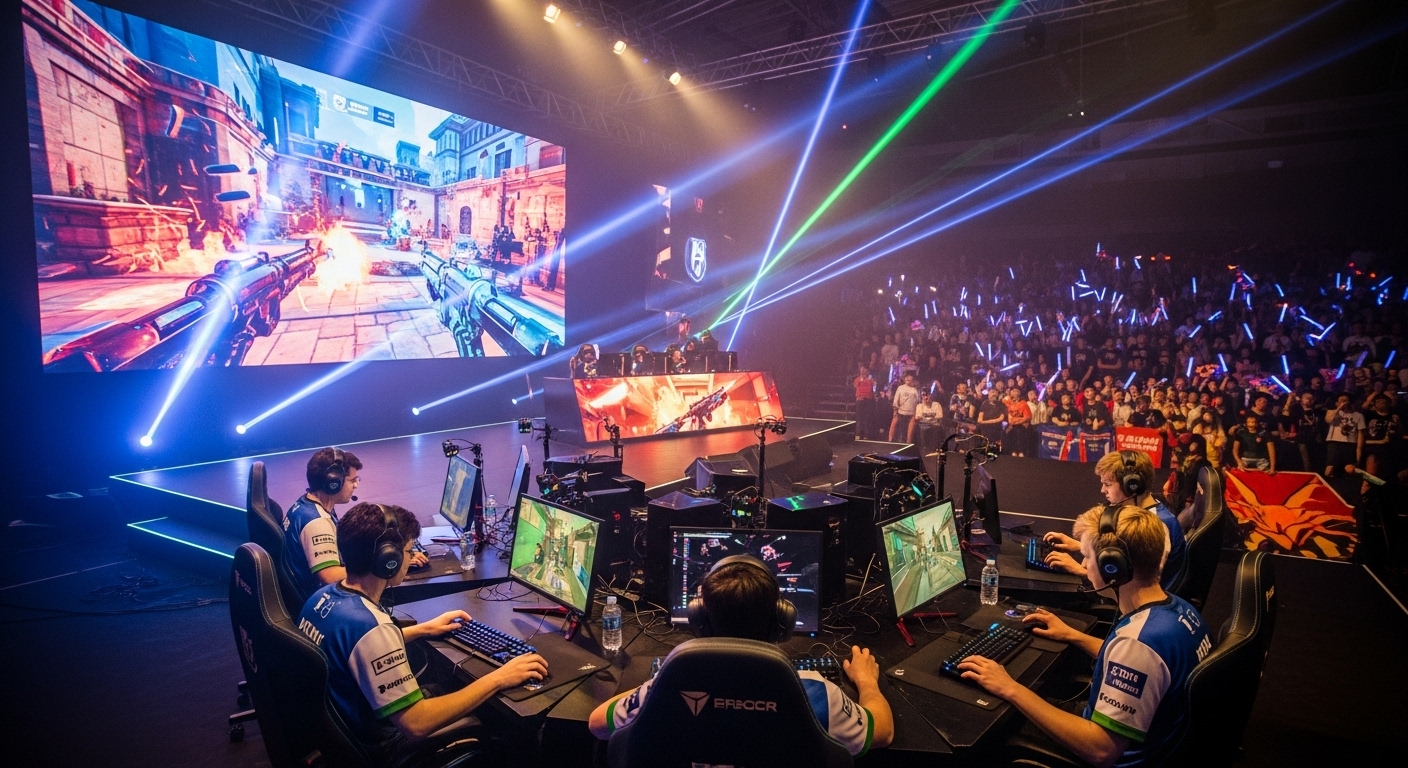
Major esports events attract audiences comparable to traditional sporting tournaments. Fans travel across countries to attend live finals, bringing energy and excitement to arenas filled with cheering crowds, flashing lights, and giant screens displaying intense gameplay moments. These experiences create lifelong memories and demonstrate that esports is not just about the games—it’s about connection and belonging.
Esports and Cultural Influence
Esports has transcended the boundaries of entertainment to become a cultural phenomenon. The fusion of gaming, music, fashion, and digital art has led to unique cultural expressions. Esports athletes collaborate with musicians and brands, creating new trends that resonate with the younger generation. Fashion brands design exclusive merchandise for teams, while artists create visual identities that define gaming culture.
The influence of esports can also be seen in mainstream media. Documentaries, TV shows, and even movies have begun to depict the lives of professional gamers and the dynamics of the industry. Gaming terminology has entered everyday language, and esports heroes are celebrated just like traditional athletes.
Challenges Facing the Esports Industry
Despite its success, esports faces several challenges that need to be addressed for sustainable growth. One of the primary concerns is player burnout. The demanding schedule and mental pressure can lead to exhaustion, forcing many players to retire early. Organizations are now taking measures to improve player welfare through balanced routines and mental health support.
Another challenge lies in maintaining integrity within competitions. Issues such as cheating, match-fixing, and exploitation of younger players can damage the credibility of esports. Regulatory bodies and tournament organizers are working together to enforce stricter rules and ensure fair play.
Additionally, inclusivity and diversity remain important topics. While esports has a massive global audience, representation among players and industry leaders is still imbalanced. Encouraging participation from different genders, backgrounds, and regions will make the industry more inclusive and innovative.
The Future of Esports
The future of esports looks exceptionally bright. With technological advancements, increasing investment, and expanding global interest, the industry is poised to reach new heights. Esports may soon become part of the Olympic Games, marking a historic recognition of its significance in global culture.
The continued integration of virtual reality and artificial intelligence will likely redefine how games are played and watched. Fans could experience matches from the perspective of players or even interact within digital arenas. The boundaries between the virtual and real world will continue to blur, offering endless possibilities for creativity and engagement.
Esports will also play a vital role in education, mental health awareness, and digital skill development. As younger generations grow up in an era dominated by technology, esports provides a platform to learn teamwork, strategy, and leadership—skills applicable far beyond gaming.
Conclusion: The New Era of Competitive Entertainment
Esports is no longer a subculture or a hobby—it is a global movement that embodies the evolution of competition in the digital age. From small arcade tournaments to billion-dollar global events, the journey of esports is a testament to how passion, technology, and community can shape an entirely new industry. It represents more than just gaming; it reflects human creativity, determination, and the desire to connect across borders.
As esports continues to expand, it challenges our traditional notions of sports and entertainment. It brings together people from all walks of life under one digital roof, united by a shared love for competition and play. The future of esports is not just about winning games—it’s about shaping a world where skill, strategy, and technology come together to create a universal language of excitement and inspiration.