Introduction
Esports, short for electronic sports, has transformed from a small community of passionate gamers into a multi-billion-dollar global industry. What was once considered a casual pastime for teenagers playing in dimly lit rooms has now become a mainstream form of entertainment, rivaling traditional sports in viewership, sponsorship, and cultural impact. The world of competitive gaming has grown exponentially, attracting players, investors, brands, and audiences from every corner of the globe. Esports is not just about playing games anymore; it’s about competition, entertainment, business, and innovation.
The Origins of Esports
The concept of competitive gaming is not new. The roots of esports can be traced back to the early days of arcade and computer gaming. The first known gaming competition took place in 1972 at Stanford University, where students competed in the game Spacewar. The prize? A year’s subscription to Rolling Stone magazine. This small event laid the foundation for what would later become an industry worth billions of dollars.
During the 1980s, arcade games such as Pac-Man and Donkey Kong popularized the idea of achieving high scores. Players competed to have their names displayed at the top of leaderboard screens, sparking a culture of competition and mastery. By the 1990s, with the rise of home consoles and the internet, gaming competitions began to take shape more formally. Games like Street Fighter, Quake, and StarCraft became early pioneers of organized esports tournaments, often sponsored by tech companies eager to tap into the growing youth market.
The Early Growth of Competitive Gaming
The late 1990s and early 2000s marked a critical turning point. The introduction of broadband internet and improved computer hardware enabled players to compete from different locations in real time. This era also witnessed the birth of major esports organizations and events. Titles such as Counter-Strike, Warcraft III, and Unreal Tournament dominated the competitive scene.
South Korea played a particularly vital role in shaping modern esports. The country’s government invested in internet infrastructure and recognized gaming as a legitimate cultural industry. Professional gaming leagues were established, and players achieved celebrity status. StarCraft, a real-time strategy game developed by Blizzard Entertainment, became a national sensation in South Korea, often broadcast on television to millions of viewers.
The Mainstream Boom
The 2010s ushered in a golden age for esports. The explosion of live streaming platforms like Twitch and YouTube Gaming allowed fans to watch matches from anywhere in the world. Games like League of Legends, Dota 2, and Counter-Strike: Global Offensive became central to the global esports ecosystem. These titles introduced structured leagues, massive tournaments, and enormous prize pools that drew both players and spectators alike.
For example, the Dota 2 International tournament, organized annually by Valve Corporation, set new records with multi-million-dollar prize pools crowdfunded by the community. Similarly, Riot Games’ League of Legends World Championship filled stadiums around the world and attracted tens of millions of online viewers. The shift from local tournaments to global events elevated esports to the level of mainstream entertainment.
Esports as a Career Path
In the past, playing video games was often viewed as a hobby or even a distraction. Today, esports offers viable career opportunities for talented players, coaches, broadcasters, and analysts. Professional players sign contracts with major organizations, receive salaries, and earn money through prize winnings, sponsorships, and streaming deals.
Beyond the players themselves, esports supports a vast ecosystem. Teams employ managers, psychologists, fitness trainers, and nutritionists to keep players in top mental and physical condition. Commentators, known as shoutcasters, provide live commentary during matches, while event organizers, production crews, and marketers handle logistics behind the scenes. This professional infrastructure mirrors that of traditional sports, illustrating just how far esports has come.
The Business of Esports
The economic potential of esports is immense. With millions of passionate fans and growing media coverage, major corporations have entered the industry through sponsorships and advertising. Brands that once ignored gaming are now aligning themselves with esports teams and tournaments to reach younger audiences.
Media rights have become another major revenue stream. Broadcasting deals, exclusive streaming rights, and merchandise sales all contribute to the expanding financial landscape of esports. Gaming companies also benefit by selling in-game items and passes that connect directly with esports events, further blurring the line between gaming and entertainment.
Franchised leagues have emerged, mirroring the structure of traditional sports leagues. Games like Overwatch and Call of Duty have introduced regional teams, structured seasons, and playoff formats. This model ensures financial stability for organizations and creates long-term engagement for fans who can root for local teams, much like they do in football or basketball.
Technology’s Role in Esports Evolution
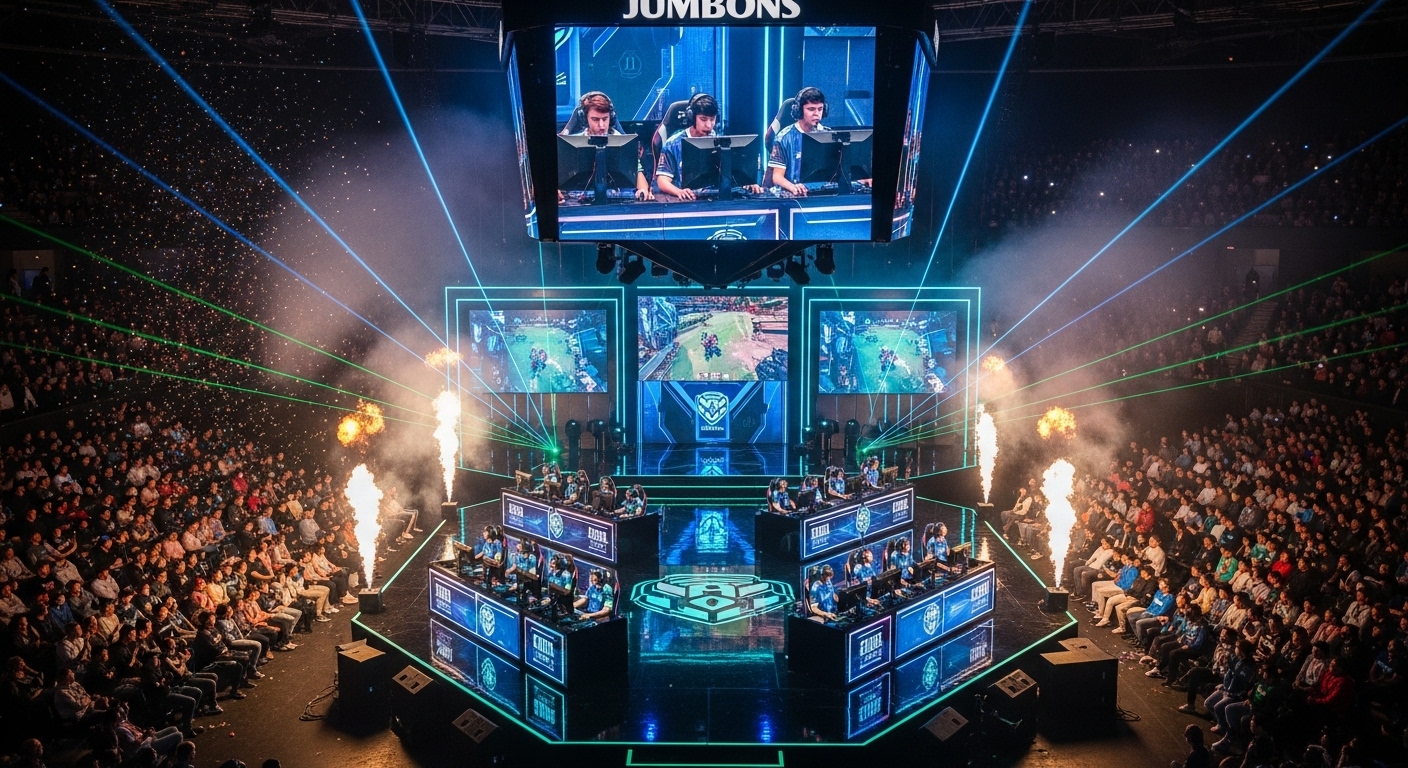
The rise of esports would not have been possible without technological innovation. High-speed internet, powerful gaming hardware, and sophisticated streaming technology have revolutionized how competitions are played and viewed. Modern esports tournaments use cutting-edge production setups, with real-time stats, instant replays, and virtual reality integration that enhance viewer experience.
Cloud gaming and AI-driven analytics are shaping the future of esports as well. Cloud platforms allow players to compete seamlessly without expensive equipment, while AI tools help teams analyze gameplay strategies and optimize performance. Virtual and augmented reality could further expand the boundaries of how audiences experience competitive gaming.
The Globalization of Esports
What truly sets esports apart is its global reach. Unlike traditional sports that often have regional popularity, esports transcends borders. Players from Asia, Europe, North America, and beyond compete on equal footing. International tournaments unite fans across languages and cultures, demonstrating the universal appeal of gaming.
Countries like China and South Korea dominate several esports titles, but Western nations have also made their mark with successful organizations and star players. Governments in many regions are recognizing esports as an official sport, with some even offering visas and scholarships for professional players. Universities around the world now offer esports programs, blending academics with gaming careers.
Esports and Traditional Sports: A Comparison
While esports and traditional sports may seem worlds apart, they share surprising similarities. Both require teamwork, discipline, strategy, and dedication. Esports athletes train for hours daily, refining reflexes, coordination, and communication. They study opponents’ tactics just like traditional athletes study game footage.
However, there are key differences too. Esports does not rely on physical strength but rather mental agility and quick thinking. Matches are conducted in virtual arenas rather than physical fields, and the pace of technological change ensures that games evolve faster than any traditional sport. Yet, both forms of competition evoke passion, loyalty, and emotional investment from fans.
Cultural Impact of Esports
Esports has reshaped popular culture. The influence of gaming extends into fashion, music, film, and digital art. Esports players and streamers are now influencers with massive online followings. They collaborate with global brands, appear in advertisements, and serve as role models for younger generations.
Gaming culture has also broken down stereotypes. Once dismissed as antisocial, gaming now represents community and creativity. Online platforms enable friendships that span continents, and esports events bring people together in celebration of shared interests. The blending of technology and entertainment in esports reflects the digital-first lifestyle of today’s youth.
Challenges Facing the Esports Industry
Despite its growth, esports faces several challenges. Maintaining player well-being is one of them. The intense pressure to perform, combined with long practice hours, can lead to burnout and mental health issues. Organizations are increasingly aware of this and are investing in wellness programs to support players.
Another challenge is ensuring fair play. Issues like cheating, hacking, and match-fixing can undermine the integrity of competitions. Developers and tournament organizers are constantly developing better security systems and anti-cheat mechanisms to preserve fairness.
The industry also grapples with regulation and standardization. Unlike traditional sports, which have governing bodies, esports is fragmented across multiple games and publishers. Each company sets its own rules, making universal standards difficult to establish.
Women in Esports
For many years, the esports scene has been male-dominated, but this is slowly changing. Women are making significant strides as players, commentators, and organizers. Female-only tournaments and community initiatives are helping to create inclusive spaces for women in gaming. Representation matters, and as more women enter esports, the industry becomes richer and more diverse.
Prominent female gamers have proven that skill knows no gender. The growing acceptance of diversity within gaming communities is helping esports move toward a more inclusive future. With more visibility, young girls around the world are inspired to pursue competitive gaming as a legitimate career path.
Education and Esports
Esports is also finding its way into education. Schools and universities are recognizing the academic and social benefits of competitive gaming. Esports programs encourage teamwork, problem-solving, and strategic thinking. Scholarships for esports athletes are now available at several universities, legitimizing gaming as both a sport and a field of study.
Educational institutions are also using esports as a gateway to teach valuable skills in computer science, marketing, media production, and game design. The intersection between gaming and education opens doors for new learning opportunities that align with the digital economy.
The Future of Esports
The future of esports looks brighter than ever. With advancements in technology, increased investment, and growing mainstream acceptance, esports is poised to become a permanent fixture in global entertainment. Virtual reality and augmented reality may introduce new competitive formats, while blockchain technology could enable transparent prize distributions and digital ownership of in-game assets.
The metaverse concept—an interconnected digital universe—may further integrate esports into everyday life. Virtual arenas could allow millions to attend events together in immersive 3D spaces. Artificial intelligence could revolutionize training, while cloud platforms make participation more accessible to people around the world.
As esports continues to grow, it will likely influence other industries too. Traditional sports organizations are already investing in esports teams, and crossovers between physical and digital competitions are becoming common. The next decade could see esports integrated into the Olympic Games, cementing its status as a global sporting discipline.
Conclusion
Esports has come a long way from its humble beginnings in college dorms and arcades. Today, it stands as a powerful symbol of modern entertainment, technology, and youth culture. It represents a new era where digital competition is not just a hobby but a profession, an art form, and a global community.
What makes esports truly special is its inclusivity and innovation. It bridges generations, languages, and cultures, uniting people through shared passion and creativity. As technology continues to advance and the industry matures, esports will only grow stronger—transforming how we define competition, entertainment, and connection in the digital age.
The evolution of esports is far from over. If history is any indication, its story is just beginning—a story that will continue to shape the future of gaming, sports, and global culture for decades to come.