
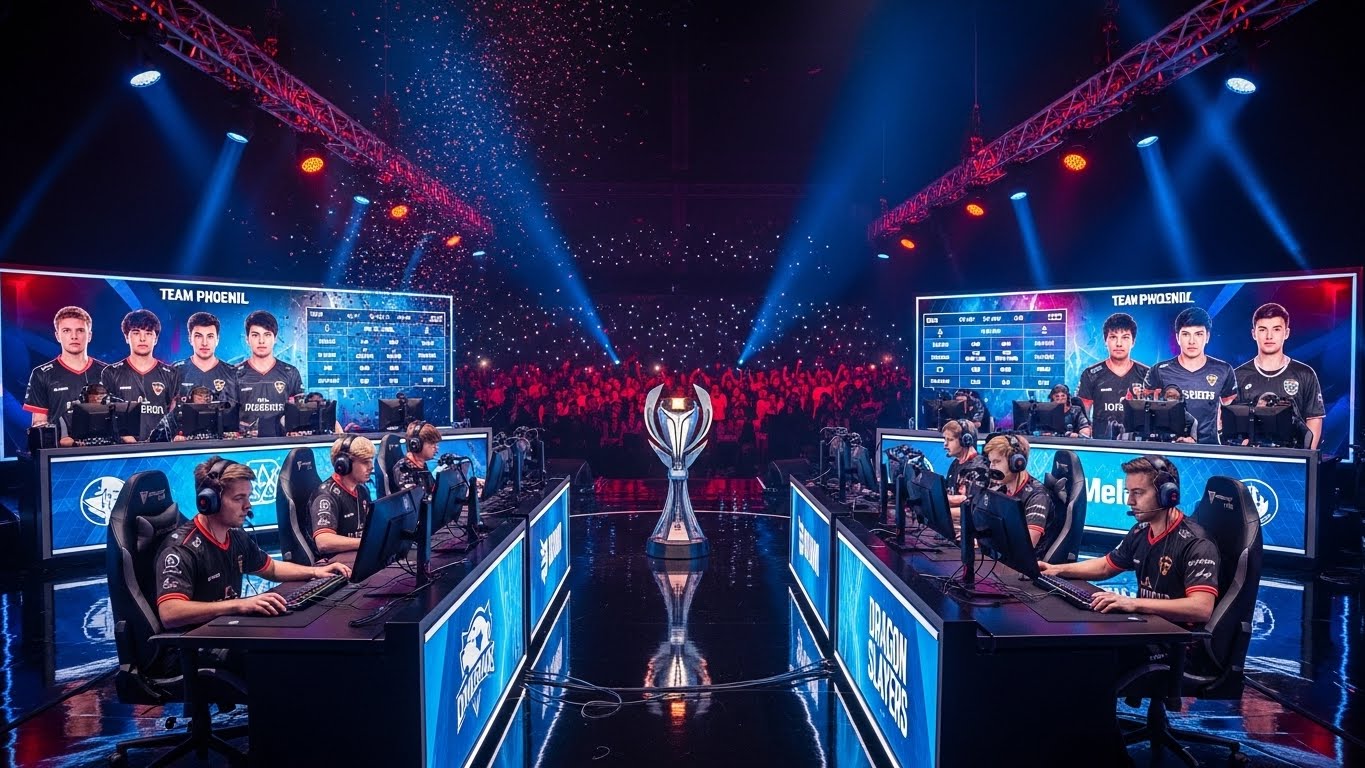
Esports has transitioned from a niche subculture of gaming enthusiasts to a mainstream global entertainment powerhouse. The growth of competitive gaming, fueled by advancements in technology, the rise of streaming platforms, and a passionate community of players and fans, has redefined what it means to be a professional athlete in the digital age. From local tournaments to massive international leagues, esports has become one of the most watched and followed forms of entertainment in the world, challenging traditional sports and opening new doors for both players and fans alike. In this blog post, we will explore the factors that have contributed to the rise of esports, its current impact on the gaming industry and society, and what the future holds for this exciting phenomenon.
Understanding Esports: A New Era of Competition
Esports, short for electronic sports, refers to organized, multiplayer video game competitions, particularly between professional players, individually or as teams. These competitions are typically hosted online or in physical arenas, with millions of viewers tuning in through streaming platforms such as Twitch, YouTube, and Facebook Gaming. The games played in esports tournaments span a wide variety of genres, from real-time strategy (RTS) games like StarCraft to first-person shooters (FPS) such as Counter-Strike and Call of Duty, and multiplayer online battle arena (MOBA) games like League of Legends and Dota 2.
Unlike casual gaming, which is primarily about entertainment and recreation, esports emphasizes competitive play, strategy, skill, and teamwork. It takes the core elements of gaming—precision, quick reflexes, and mental acuity—and amplifies them in a high-stakes environment. Professional esports athletes undergo rigorous training, often similar to that of traditional athletes, including physical and mental conditioning, to sharpen their skills and improve performance under pressure.
The Growth of Esports: From Basement Competitions to International Leagues
Esports didn’t always have the prestige it enjoys today. It began as small, grassroots events in local gaming communities, where players competed in LAN (Local Area Network) parties for bragging rights or modest prizes. However, as internet infrastructure improved and gaming became more accessible to a global audience, competitive gaming began to take shape in a more formalized way.
The Influence of Streaming Platforms
The introduction of streaming platforms such as Twitch in 2011 played a pivotal role in the exponential growth of esports. These platforms enabled fans to watch live gameplay, participate in interactive chat discussions, and engage with players and teams directly. Twitch, for instance, became a hub for not only professional esports tournaments but also casual streams, where aspiring gamers could build their audience by showcasing their skills and personalities.
Streaming also made it easier for sponsors and advertisers to tap into the esports market, which led to more funding for tournaments, teams, and players. In turn, this helped esports evolve from amateur competitions to multimillion-dollar global spectacles. Major brands, from Intel to Coca-Cola, began investing in esports sponsorships, seeing the potential of connecting with a young, engaged audience that was rapidly growing in numbers.
Major Tournaments and Global Events
As esports gained popularity, major tournaments and leagues emerged, showcasing the very best players in the world. The League of Legends World Championship, The International (Dota 2’s annual championship), and CS:GO Major Championships are just a few examples of high-profile esports events that draw millions of viewers. These tournaments are not just about the competition itself, but about the entire spectacle—live performances, commentary, interviews with players, and fan engagement.
The growth of these events has been staggering. For instance, the League of Legends World Championship routinely attracts over 100 million viewers across multiple platforms, with its grand finals drawing millions of viewers, often surpassing traditional sports finals in terms of viewership. The prize pools for these tournaments can range from several hundred thousand to tens of millions of dollars, making esports one of the most lucrative industries for professional gamers.
The Appeal of Esports: Why It’s Capturing the World’s Attention
There are several reasons why esports has been able to captivate such a large and diverse audience. Let’s explore some of the key factors contributing to its rise.
Accessibility and Global Reach
One of the primary appeals of esports is its accessibility. Unlike traditional sports, which may require expensive equipment, dedicated facilities, and specific skill sets, all you need to participate in esports is a gaming console or PC and an internet connection. This makes it easier for anyone, regardless of their location or background, to get involved in competitive gaming.
Furthermore, esports is truly global. Professional tournaments feature players from every corner of the world, creating a sense of international unity among fans. Online gaming communities transcend geographical borders, allowing individuals to connect with like-minded people, whether they’re in the United States, South Korea, or Brazil.
The Entertainment Value
Esports has evolved into a spectator sport, offering entertainment that rivals traditional sports. Much like watching the Super Bowl or the FIFA World Cup, viewers of esports tournaments enjoy high-energy, fast-paced action, expert commentary, and moments of dramatic tension. The skill involved in esports is also incredibly high, making every match a battle of wits, reflexes, and strategy.
Additionally, esports has embraced entertainment beyond the gameplay itself. Many tournaments feature live shows, music performances, and fan engagement activities that turn the event into a festival-like atmosphere. Esports players have become celebrities in their own right, with millions of fans following their every move both in and out of the game.
The Competitive Spirit
Esports has tapped into the same competitive spirit that drives fans of traditional sports. The desire to prove oneself as the best, the pressure of competition, and the thrill of victory or the agony of defeat are all core elements of esports that resonate with its audience. Esports competitions are not only about playing for a trophy but also about establishing a legacy, earning respect, and building a personal brand.
Esports as a Career: From Player to Content Creator
One of the most exciting aspects of esports is the opportunity it presents for aspiring gamers to turn their passion into a full-fledged career. Professional gamers can earn significant salaries through tournament winnings, sponsorship deals, and streaming. While the competition is fierce, players who rise to the top can enjoy financial rewards and fame on a scale previously unimaginable in the gaming world.
Beyond Playing: The Rise of Esports Content Creators
However, being a professional esports player is not the only career path in the esports industry. Content creators have also found success through platforms like Twitch and YouTube, where they can monetize their gameplay, interactions with fans, and personal brands. These creators often form deep, personal connections with their audience, which can lead to long-term success.
Coaches, analysts, and team managers also play critical roles in the esports ecosystem. These behind-the-scenes professionals help guide players, provide strategic insights, and ensure that teams perform at their best during high-stakes competitions. Esports organizations often operate like traditional sports teams, with dedicated staff for everything from marketing to logistics.
Education and Training
Esports is also paving the way for the development of specialized education and training programs. Many colleges and universities now offer esports-related degrees, including programs in game design, marketing, business management, and event planning. These programs help students prepare for careers not just as players, but as part of the larger esports ecosystem.
The Future of Esports: Trends and Innovations
As esports continues to evolve, it’s clear that its influence will only expand. Here are some of the trends and innovations that could shape the future of esports.
Virtual Reality and Augmented Reality
The integration of virtual reality (VR) and augmented reality (AR) into esports could completely change the way players and fans experience the competitions. Imagine watching an esports tournament in immersive VR, where fans feel like they’re right in the middle of the action, or players using AR to enhance their in-game strategy. The possibilities for innovation are endless, and this technology could take esports to new heights.
Increased Investment and Mainstream Recognition
Esports is already receiving significant investments from tech companies, media outlets, and even traditional sports organizations. As the industry continues to grow, it is likely to attract even more interest from mainstream media and investors. This could lead to more opportunities for players, better production quality for tournaments, and the continued evolution of esports as a legitimate form of entertainment.
Mobile Gaming
With the rise of mobile gaming, esports is expanding to platforms beyond PC and consoles. Games like PUBG Mobile and Clash Royale have already become staples in the esports world, and this trend is only expected to grow. Mobile esports could democratize competitive gaming even further, as mobile devices are more affordable and accessible to a wider audience.
Conclusion: The Bright Future of Esports
Esports is no longer a passing trend; it has become a legitimate and influential industry that continues to grow at an astonishing rate. From its humble beginnings in basements and local tournaments to the massive global spectacles of today, esports has proven itself to be a force to be reckoned with. Whether you’re a player, a fan, or someone simply interested in the future of entertainment, esports is here to stay, and its potential is limitless.
As technology advances and esports continues to evolve, one thing is clear: the future of gaming and entertainment will be shaped by the passion, skill, and dedication of the esports community. So, whether you’re ready to compete or simply enjoy the show, one thing is certain: the rise of esports is just the beginning.