Esports, or electronic sports, has evolved from a niche hobby to a global phenomenon over the last two decades. What began as small-scale tournaments for passionate gamers has now become a multibillion-dollar industry, complete with professional teams, international leagues, and a massive global fanbase. From casual players to full-fledged professionals, esports has carved its own space in the entertainment and sports sectors. This post will dive into the growth of esports, its influence on gaming culture, its impact on traditional sports, and what the future holds for this digital sport.
The Origins of Esports
To understand the meteoric rise of esports, it’s essential to look back at its roots. The earliest esports events were simple, grassroots gatherings of gamers who competed in local arcades or LAN (Local Area Network) parties. As the internet became more accessible, online multiplayer games like Quake, Warcraft, and StarCraft began to form the foundation of what we now know as competitive gaming.
In the 1990s and early 2000s, tournaments like the Cyberathlete Professional League (CPL) and the World Cyber Games (WCG) helped popularize esports on a global scale. These events showcased the competitive nature of gaming, albeit on a smaller scale compared to what esports has become today.
The real turning point came with the rise of games like League of Legends, Dota 2, and Counter-Strike: Global Offensive. These games not only introduced complex, team-based strategies but also established professional leagues, player contracts, and sponsorships. As the internet continued to improve and streaming platforms like Twitch rose to prominence, esports found a massive global audience eager to watch and engage with competitive gameplay.
Esports as a Professional Career
One of the most defining features of modern esports is that it has transformed gaming from a pastime to a legitimate career for thousands of players around the world. Professional esports athletes train rigorously, practice for hours every day, and compete in tournaments with prize pools that can exceed millions of dollars. Some of the most well-known esports titles, such as League of Legends, Fortnite, Call of Duty, and Valorant, attract huge followings, and their professional leagues often receive media coverage similar to traditional sports.
What differentiates esports from traditional sports is its accessibility. While becoming a professional basketball or football player requires years of physical training and immense natural talent, anyone with a computer and an internet connection can potentially make a career out of esports. Some players begin as young as 13 or 14, honing their skills and rising through the ranks of online matchmaking before getting recruited by professional teams.
Salaries for esports players vary depending on the game and the player’s popularity, but top-tier players can earn upwards of $1 million a year in prize money, sponsorships, and streaming revenue. As esports has gained more recognition, even traditional sports organizations have begun to take notice. Major franchises like the NBA and NFL have invested in esports teams, and some professional athletes have transitioned from traditional sports to the world of gaming.
The Growth of Esports Events and Tournaments
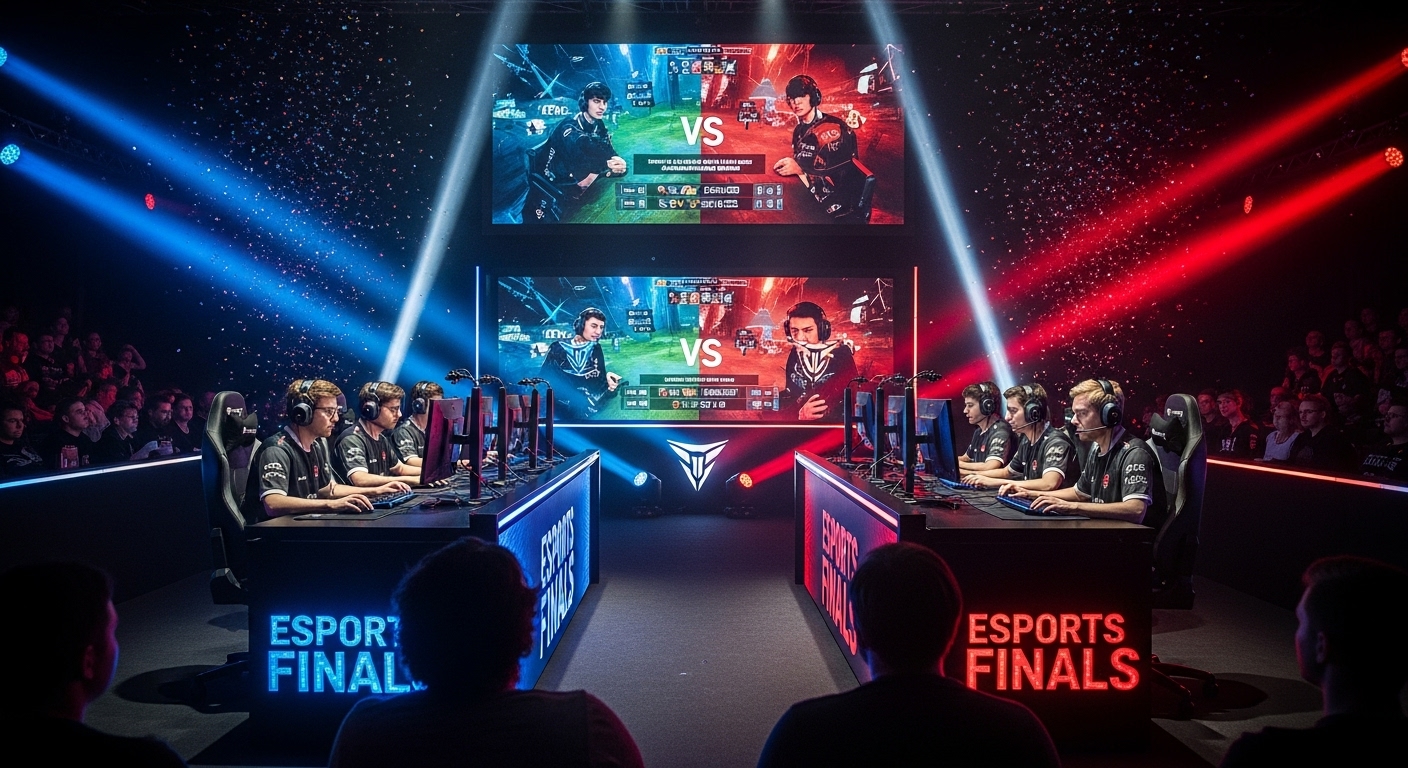
Over the years, esports tournaments have grown in both size and scope, attracting millions of viewers from around the globe. Events like The International (for Dota 2) and the League of Legends World Championship are now staples in the esports calendar, often drawing more viewers than some traditional sports finals. The prize pools for these tournaments are enormous, with The International boasting a prize pool that exceeds $40 million in recent years.
What makes these events so appealing to fans is the level of competition and spectacle. Esports tournaments are often broadcast live on streaming platforms like Twitch, YouTube, and Facebook Gaming, where fans can watch in real-time as their favorite teams battle it out for the top spot. The production quality of these events is on par with traditional sports broadcasts, complete with expert commentators, player interviews, and high-energy crowd reactions.
Esports tournaments are not only exciting for fans but also offer lucrative opportunities for sponsorships. Major brands across different industries—from tech companies to soft drinks—have recognized the value in aligning themselves with esports. Companies like Intel, Logitech, Coca-Cola, and Red Bull have all sponsored high-profile esports events, further legitimizing the industry as a significant player in the global entertainment market.
Esports and Its Cultural Influence
Esports has had a profound impact on gaming culture and the broader entertainment landscape. For decades, gamers were often stereotyped as reclusive, introverted individuals who spent their time playing video games in isolation. Esports has shattered this stereotype by bringing gamers into the public eye as skilled, competitive athletes.
The rise of esports has also helped bridge the gap between gaming and traditional sports. Many esports fans are also passionate about football, basketball, or other sports, and the competitive mindset of esports resonates with sports fans worldwide. In fact, esports has become a cultural force, influencing everything from fashion trends (such as esports jerseys and merchandise) to music and digital media.
The digital nature of esports also makes it highly accessible to younger generations. With games like Fortnite reaching massive global player bases, younger audiences have embraced esports as an integral part of their digital identity. This shift in cultural attitudes has also led to a rise in esports influencers and streamers, who have amassed large followings on platforms like Twitch and YouTube.
These influencers have become celebrities in their own right, with many branching out into other forms of entertainment, including acting, music, and sponsorships. The rise of esports influencers is a testament to the power of social media and streaming platforms in shaping modern culture.
Esports and Traditional Sports: A Symbiotic Relationship
While esports is often seen as a rival to traditional sports, the reality is much more collaborative than competitive. The relationship between the two industries has evolved in recent years, with several traditional sports leagues incorporating esports into their business models.
The NBA, for example, launched the NBA 2K League, an esports league based on the popular basketball video game NBA 2K. This league allows players to compete in a virtual basketball environment, with professional players and coaches treating the game with the same seriousness as traditional basketball. The NFL has also made moves into the esports space, with initiatives like the Madden NFL Championship Series and partnerships with EA Sports to bring more attention to gaming and esports.
Another notable example of the synergy between traditional and esports is the expansion of sponsorships. Many major sports brands, including Nike, Adidas, and Puma, have signed sponsorship deals with esports teams, players, and organizations. These partnerships have helped bring greater visibility to esports and solidify its place in mainstream sports culture.
Moreover, some esports athletes have transitioned to traditional sports after achieving success in the digital realm. For example, former esports professional players have pursued careers as coaches, analysts, or commentators for traditional sports broadcasts. This crossover between the two industries is a sign of the growing mutual respect between esports and traditional sports.
The Future of Esports
The future of esports is bright, with continued growth on the horizon. As technology advances and the global internet infrastructure improves, more people around the world will have access to high-quality gaming experiences, further expanding the esports audience.
One area poised for significant growth is mobile esports. With the proliferation of smartphones and mobile gaming, titles like PUBG Mobile and Mobile Legends have introduced esports to regions where PC or console gaming might not be as prevalent. Mobile esports tournaments are already gaining traction, particularly in Asia, where mobile gaming is already a dominant force.
Additionally, the integration of virtual reality (VR) and augmented reality (AR) into gaming could open up entirely new dimensions for competitive gaming. VR esports tournaments are already being experimented with, offering immersive experiences that could redefine how people interact with and experience competitive gaming.
The popularity of live streaming and online platforms will also continue to fuel the growth of esports. Platforms like Twitch and YouTube Gaming will remain integral to esports’ success, as they offer fans a way to engage with players, tournaments, and content creators. As more esports organizations and teams embrace digital platforms for broadcasting, the accessibility and global reach of esports will only increase.
Conclusion
Esports has undeniably become a major cultural and economic force, with its influence continuing to grow in both the gaming and sports industries. What was once seen as a niche hobby is now a global entertainment powerhouse that offers exciting opportunities for players, fans, and investors alike. The competitive nature, thrilling tournaments, and passionate fanbase have helped esports establish its place in modern culture, and its impact will continue to be felt for years to come. Whether you’re a casual gamer, a professional player, or a sports fan, there’s no denying that esports is here to stay, and its future is incredibly promising.